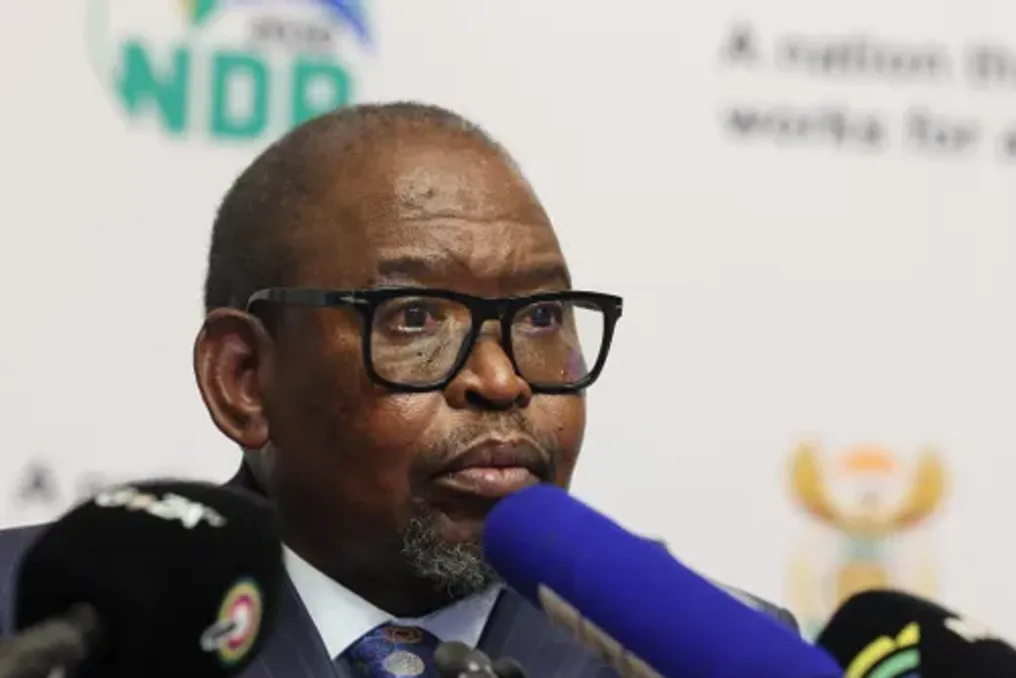
The leadership crisis at the Public Investment Corporation (PIC) worsened on Thursday after the board chairman, David Masondo, resigned just days before an important shareholders' meeting. At this meeting, the remaining non-executive directors were expected to be replaced.
Resignation Announcement
David Masondo, who also serves as Deputy Minister of Finance, announced his departure in a statement late Thursday, while PIC is grappling with one of the most serious governance crises in its history. He stated: 'I have decided to step down as Chairman of the Board of Directors of the Public Investment Corporation after careful consideration.'
Masondo emphasized that his decision was made in the interest of the Republic of South Africa, ensuring the continuous stability of PIC, and maintaining the trust of millions of South Africans whose savings are entrusted to this organization.
Stance on Duties
He noted that he served at the behest of the minister of shareholders, whose powers are defined by law and must be exercised with due diligence, diligence, and in accordance with the law. Masondo expressed satisfaction that the Minister of Finance acknowledged that he acted honestly and faithfully in performing his duties.
He specified that his actions were aimed at protecting and safeguarding the funds entrusted to PIC on behalf of South African workers and their beneficiaries. Masondo described PIC as a vital institution that protects the pension savings of public servants while supporting investment, industrialization, entrepreneurship, and economic growth.
Board Operations and Recommendations
Masondo reported that the board acted collectively, diligently, based on sound legal advice and principles of good governance. He expressed confidence in the integrity of the board's decisions. He also mentioned that the board, management, and staff advanced the implementation of the Mphathi Commission's recommendations, strengthened governance, enhanced institutional control, and continued to support South African businesses, industrialists, and entrepreneurs in striving for inclusive economic growth.
Investigation Demands
Despite asserting that the board performed its duties diligently, Masondo insisted that leadership requires putting the institution's interests above personal ones. He stated that the resignation is a sensible step to avoid any uncertainty or distraction that could affect PIC's stability or undermine confidence in its work.
Masondo called for a full investigation into all matters related to governance. He hoped that unfinished business handled by the previous board, including the whistleblower report, allegations against the CEO, the Acapulco case which he referred to the Special Investigation Unit (SIU), and other related issues, would be thoroughly investigated and properly resolved, rather than swept under the rug.
He noted that some of these matters are scheduled for hearing in the High Court on July 28, 2028, and the judicial process must proceed without interference. Masondo also strongly urged the new board to continue governance and investment reforms, especially in the unlisted investment portfolio, and to urgently fill critical vacancies.
PIC Crisis Context
Masondo's resignation came four days before the shareholders' meeting, which was reportedly convened by Godongwana, where he and the other non-executive directors were expected to be removed. PIC, Africa's largest asset manager, oversees approximately R3.6 trillion in assets, most of which belong to the Government Employees Pension Fund (GEPF).
The crisis reportedly began at the beginning of this month when PIC CEO Patrick Dlamini and Investment Director August van Heerden were suspended following whistleblower allegations related to a R411 million payment concerning the shareholder Lanseria Airport Acapulco Trade and Invest. The allegations concern a forensic audit of PIC's ten-year investment in Lanseria Airport. This matter is currently in court and is being investigated by the Financial Sector Conduct Authority (FSCA). The board of directors has already lost six non-executive directors due to resignations.