Filipe Samba, a bioethics lecturer born and living in Monte Café, emphasizes the importance of appealing to ancestors for guarantees and compensation for the future. He asserts that 'the wound of pain is not healed, and suffering is not cured by words, but by concrete actions.'
Historical Context of the Plantations
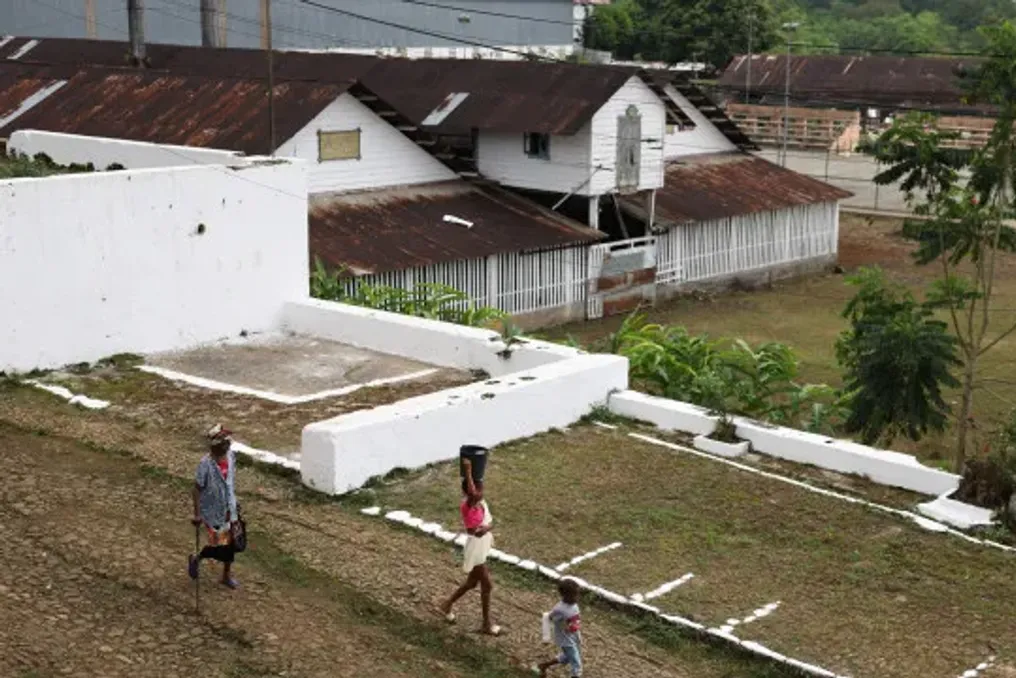
According to Samba, the slave culture established by the Portuguese shaped the memory and architectural heritage associated with six plantations (four in São Tomé and two in Príncipe). These plantations supported the business of producing coffee and cocoa, as well as the traditions of Africans from Angola and Mozambique, among others who were brought to São Tomé and Príncipe. Furthermore, Cape Verdeans also arrived there as hired workers.
Decision on Inclusion in the UNESCO List
Starting Sunday and until July 29, the United Nations Educational, Scientific and Cultural Organization (UNESCO) World Heritage Committee will convene in South Korea. A decision will be made in Busan regarding the inclusion of the São Tomé plantations in the UNESCO World Heritage List. São Tomé and Príncipe participates in the Cultural Sites category with the application 'São Tomé and Príncipe Plantations: Colonial Agricultural System and Forced Migration.'
Significance of Recognition for the Community
The leader of the Monte Café community stated in an interview with Lusa that UNESCO registration is important because it strengthens their commitment to preserving this historical monument. It offers hope that future generations will be able to learn about this history. He also noted that such recognition will lead to the creation of new jobs, mobilization of resources, and increased synergy in employment for the local population. He added that despite a feeling of partial oblivion, the infrastructure of these sites enhances the image and identity of the community.
Prospects and the Role of UNESCO
The return to Monte Café, where about five thousand people live, after being in the Soviet Union was marked by community work. Now, the horizon of hope extends to the end of the current month: 'This is a moment of great significance for our community because thanks to this stimulus, UNESCO recognizes this memory not only from a memorial but also from an economic point of view.' Currently, the World Heritage Committee has included 1248 sites from 170 countries. According to UNESCO, classification as World Heritage allows for the recognition and protection of sites of outstanding universal value, whether natural, cultural, or mixed, and obligates member states to preserve these landmarks.