At the Cabinet meeting on Friday afternoon, changes were approved to the Public Examinations Act (Prevention of Unfair Means) of 2024. These amendments aim to strengthen anti-cheating legislation by introducing harsher penalties and increasing fines. According to high government sources, the bill will be presented to Parliament on Monday.
Measures Against Leakage of Exam Materials
As part of additional engagement with protesters opposing the leak of National Entrance Examination (Neet) tickets, the government has taken several steps. By Friday evening, the National Testing Agency (NTA), responsible for conducting Neet and other highly competitive national exams, dismissed 47 of its employees. The government termed this a 'major effort to implement serious reforms in the examination sector.' Government sources reported that both legal and criminal action would be taken against some dismissed officials, followed by further reform measures.
Context and Official Reaction
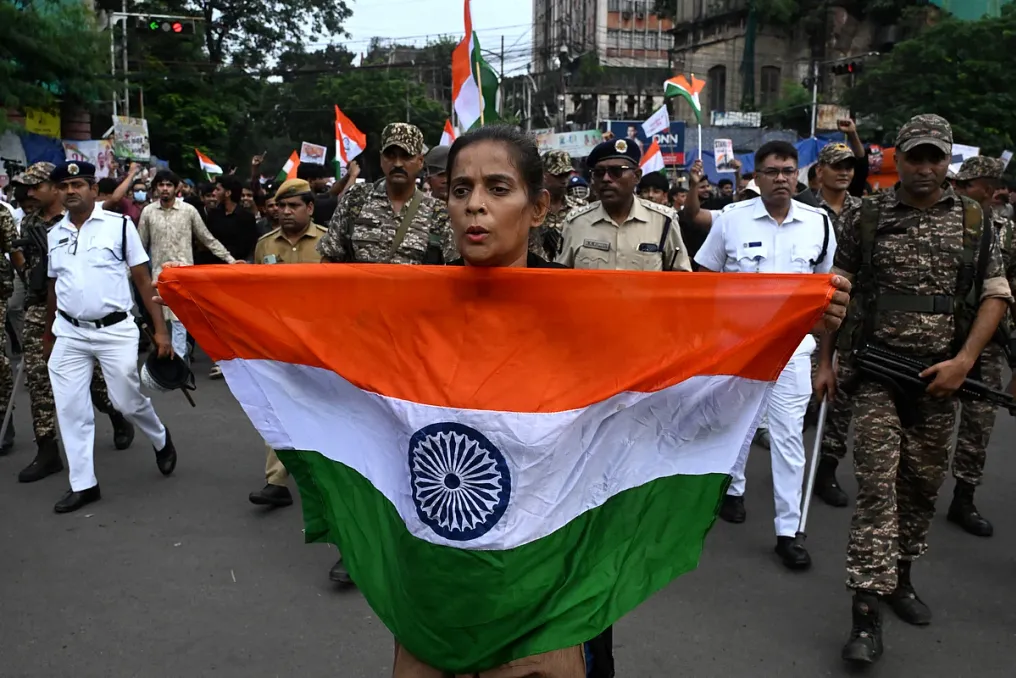
The Cabinet's approval of amendments to the anti-leakage law and the dismissal of nearly forty NTA officials are part of a series of government statements following Thursday morning. These actions reflect an adjusted approach to protests that spread beyond the national capital after police used batons on marching protesters in Parliament on Monday.
The revised strategy included Prime Minister Narendra Modi's social media posts, including a video late Thursday evening, where he announced the creation of fast-track courts to hear cases of exam material leaks, as well as the presentation of a bill with strict measures against such leaks to Parliament next week. Furthermore, the government made reshuffles among senior bureaucrats in the Union Ministry of Education. Two Union ministers, Jagat Prakash Nadda and Jitendra Singh, visited Medanta Hospital in Gurugram to assist climate activist Sonam Wangchuk during his hunger strike late Thursday evening. By Friday evening, government sources expressed optimism about the possibility of resolving the deadlock with the protesters.
Negotiations with Opposition and Demands
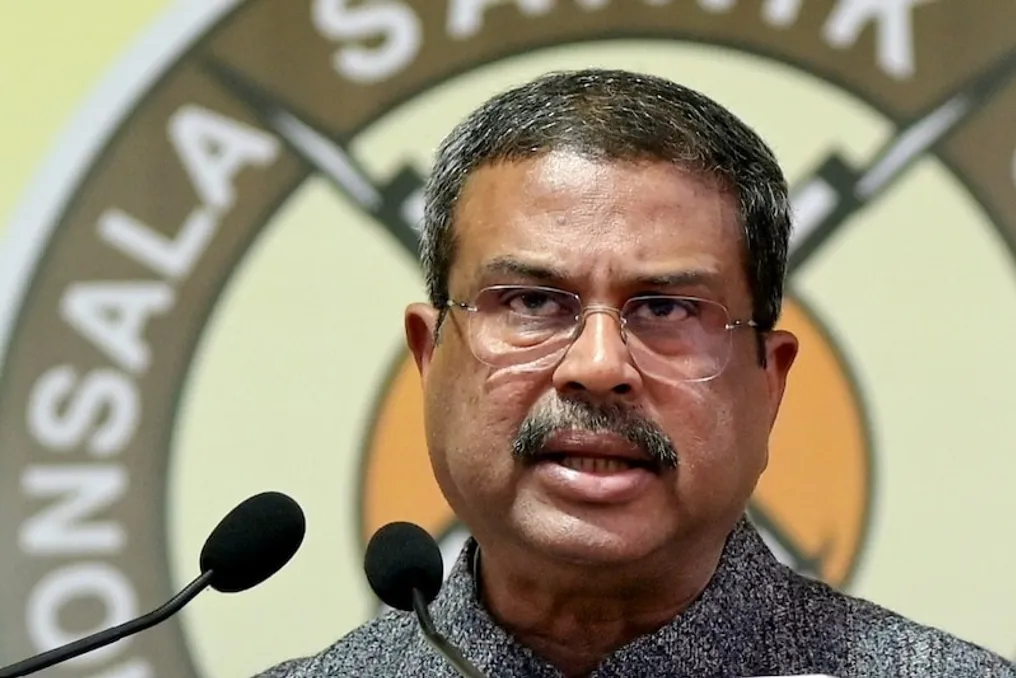
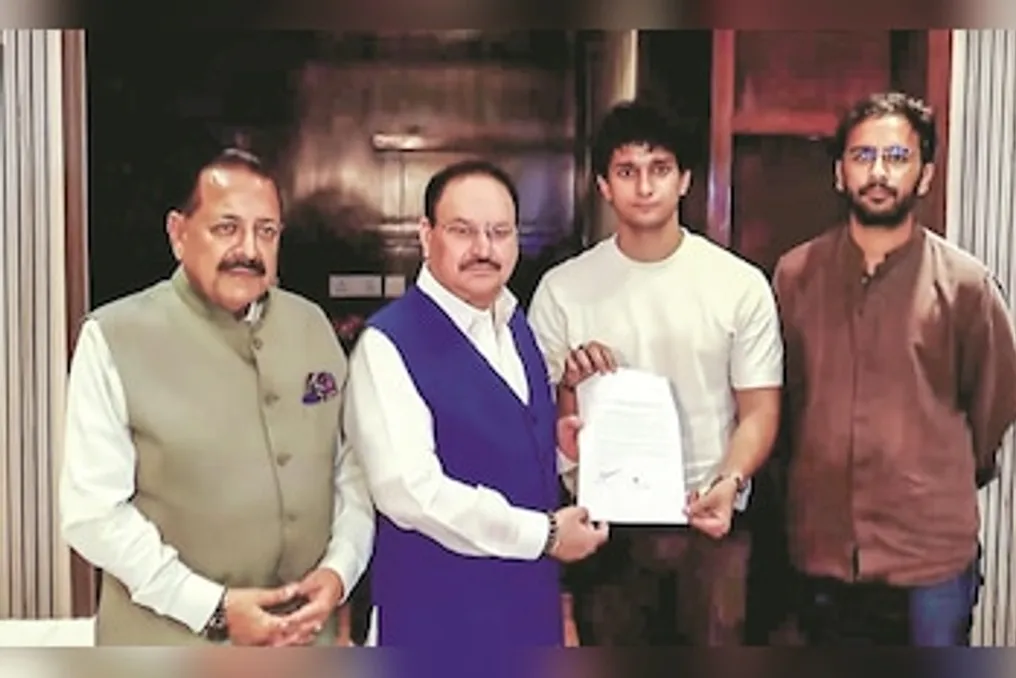
Nevertheless, the government's deadlock with protesters led by the Cockroach Janata Party (CJP) and with the Opposition in Parliament continued. Union Ministers Nadda and Singh held a second round of consultations with two CJP representatives, Saurav Das and Abhishek Ranky, on Thursday afternoon at the national capital's Constitutional Club. CJP representatives insisted that the government must ensure accountability, and their demand for the resignation of Education Minister Dharmendra Pradhan is non-negotiable. The first week of the Monsoon Session of Parliament was cancelled as the Opposition continued to demand Pradhan's resignation before the debate in both houses on the material leak issue.
Meanwhile, the Supreme Court agreed on Friday to hear two petitions on Monday concerning the excessive use of force by the police against protesters on July 20. The Delhi High Court heard three separate petitions arising from the demonstrations. The matter was raised before the bench headed by the Chief Justice of India (CJI) Surya Kant Senior Advocate Gopal Sankaranarayanan, who stated that police overreach against student protesters continues daily, and requested urgent intervention. Accepting the request, the bench decided to schedule hearings for these petitions on July 27.
Details of Meetings and Next Steps
The meeting between Nadda and Singh with Das and Ranky from CJP lasted just over two hours. Singh is also the minister responsible for the Department of Personnel and Training (DoPT), which will oversee the proposed amendments to the anti-leakage law. After discussions with CJP, the government requested time until Saturday to respond to the group's demand for Pradhan's resignation, with both sides agreeing to hold further negotiations. CJP also demanded public apologies to the protesting students who were 'brutally beaten' on July 20. Das stated that CJP demands compensation of around 1 crore for each family of those who committed suicide after the cancellation of Neet on May 3. Nadda stated: 'We will meet again on Saturday.' CJP also demanded the withdrawal of cases filed against the protesters.
In a letter, CJP acknowledged the 'government's desire to find a mutually beneficial solution.' It mentioned that the group had conducted extensive consultations with supporters and members across the country, as well as with protesters in Jantar Mantar in recent days. CJP stated that it had reached a clear consensus that its demands for Pradhan's resignation, compensation of around 1 crore to Neet victims, and no prosecution of protesters are 'non-negotiable.' CJP also demanded that the government, the head of the Rapid Action Force, and the Commissioner of Delhi Police publicly apologize to the students who were brutally beaten by law enforcement. Additionally, it requested a government response to its five-point plan of demands for educational reforms aimed at achieving necessary broader structural changes in the education system.
On Friday, CJP also announced the launch of a special website to collect photos and videos from protesters to identify police officers allegedly involved in the dispersal on July 20 during the 'Sansad Chalo' march, stating that it would seek criminal charges against these officers and approach the court. The alleged use of blank rounds during the dispersal became a major political issue for opposition leaders, including Rahul Gandhi of the Congress. However, the Delhi Police denies the use of blank rounds, asserting that force was used only after the protesters attempted to breach security measures.
Government Stance and Reforms
Following the meeting with Wangchuk, Nadda stated that the government is 'positive about not taking cases against those who peacefully protest in Jantar Mantar in Delhi, and those who participated in the Parliament march on July 20, 2026.' He added: 'Furthermore, the government also views favorably appropriate compensation for victims of suicides related to recent Neet ticket leaks.' Union Minister of Parliamentary Affairs Kiren Rijiju, who played a key role in achieving the breakthrough with Wangchuk, called him the face of the protests and advised the Opposition to pay attention to this development and agree to discuss the material leak issue in the assembly.
When asked about the 400 social media accounts from Pakistan aiding the protests and monitoring the aid received by protesters from abroad, including the United Arab Emirates, Foreign Ministry spokesperson Randhir Jaiswal stated at a press conference on Friday evening that he had no information on the matter.
The government's adjusted approach to protests, including agreeing to CJP's demand for negotiations in a neutral setting instead of the minister's residence, contrasts with the initial reaction of some Bharatiya Janata Party (BJP) leaders. Some leaders had previously claimed that CJP was created by vested interests to destabilize India. In a television interview on June 23, Education Minister Pradhan characterized CJP as the 'second team' trying to sow terror.
The proposed amendments to the anti-leakage law are intended to tighten the legal framework regarding material leaks, organized cheating, and other unfair practices in state examinations. The government decided to review the law after analyzing the examination system, including past shortcomings in NTA's operations. Following the review, officials reported that stricter penalties and higher fines are required for offenses under the Act.
Personnel Changes in Ministries
During the overnight bureaucratic reshuffle on Thursday, approved by the Cabinet Appointments Committee, Vineet Joshi was appointed Secretary of the Ministry of Panchayati Raj. He will be replaced by Naresh Pal Gangwar, currently Secretary of the Department of Animal Husbandry and Dairying. Separately, T K Anil Kumar, Additional Secretary of the Department of Rural Development, was appointed Secretary of the Department of School Education and Literacy.