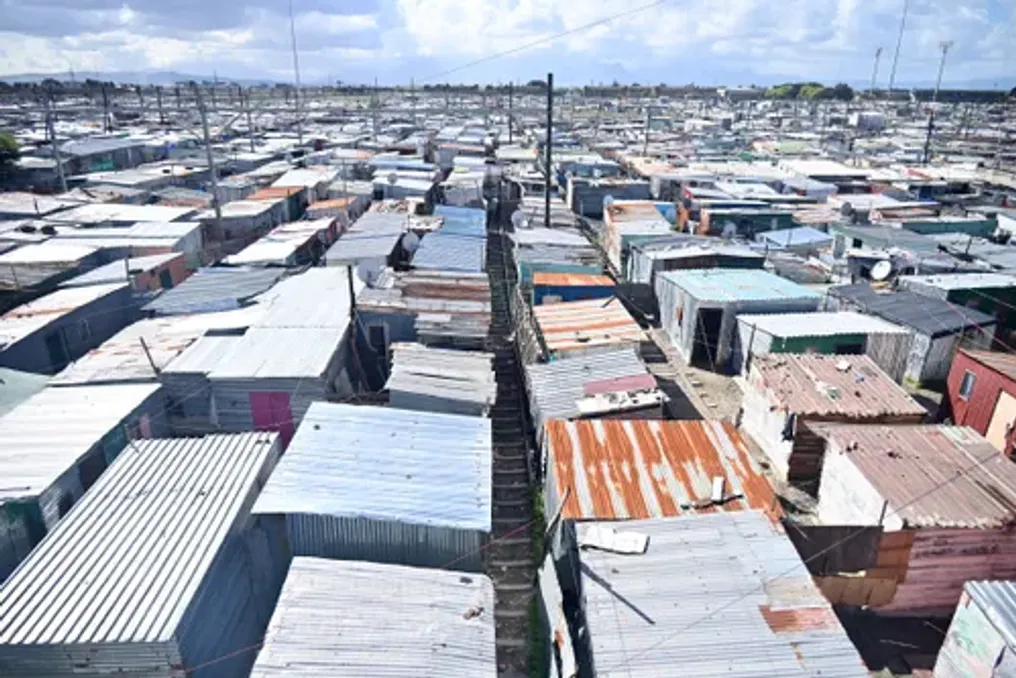
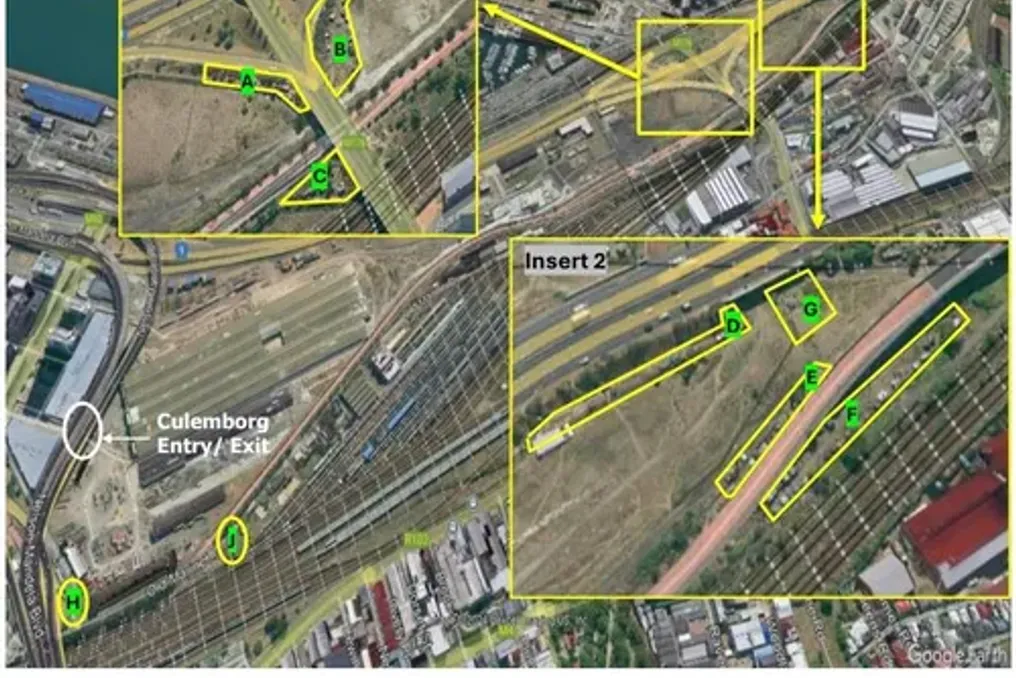
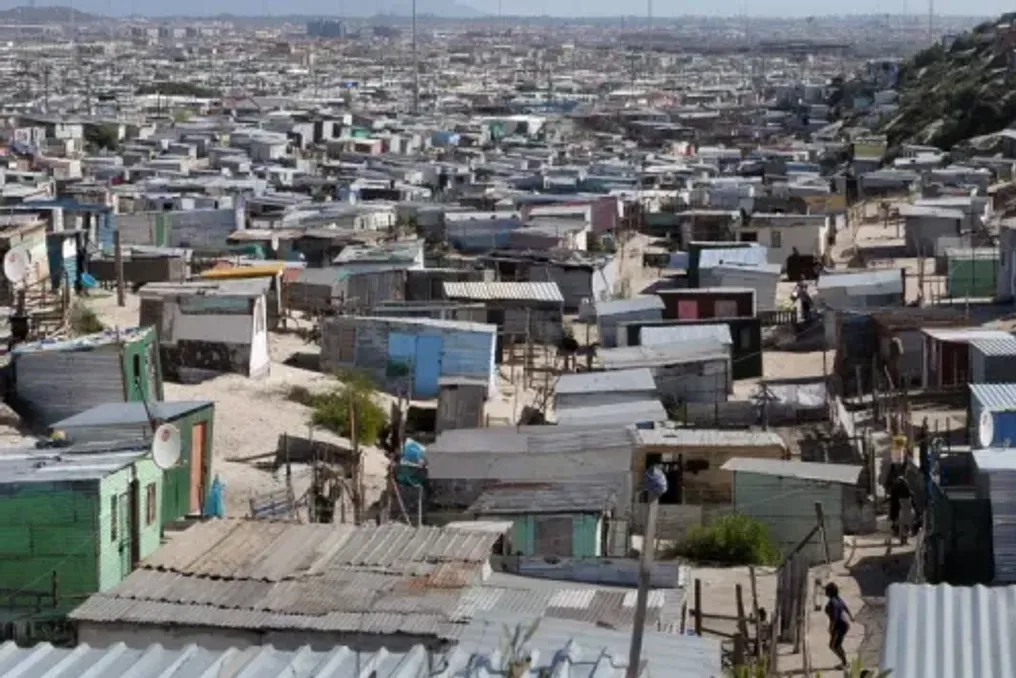
The High Court of the Western Cape has ruled that 161 people must vacate illegally occupied land belonging to Transnet in the Woodstock and Salt River areas by September 30, 2026.
Grounds for Eviction
The court found that the land was used as a base for spontaneous criminal activity. In its ruling, delivered on Tuesday, July 21, Judge Derek Wille granted Transnet's application for eviction and ordered the occupants to leave the premises by the specified date.
Should this order not be complied with, the Sheriff of the High Court has the authority to carry out the eviction, seize property, and dismantle illegally erected structures. If necessary, the Sheriff may receive support from the South African Police Service.
Case History and Crime Statistics
Initially, the case involved 282 people occupying at least 10 plots of Transnet land for over ten years. However, the final statement concerned 161 people, many of whom were described in the ruling as undocumented foreign nationals.
The sites are located in Woodstock and Salt River, near the N1 highway and three business districts. Transnet informed the court that it requires these territories for its commercial operations and future development.
The City of Cape Town objected to the requirement for emergency housing, arguing that the illegal occupation had created a basis for criminal activity. According to statistics presented to the court, 74 cases of common robbery, 20 armed robberies (non-firearm), seven firearm robberies, and one vehicle theft were recorded near these sites over an eight-month period.
The City's highway management system also recorded videos of cable thefts, robberies, and car break-ins on the busy N1 stretch, where traffic congestion slows movement near the occupied areas. In December 2025 and January 2026, law enforcement responded to seven incidents where vehicles were attacked with bricks and damaged.
Details of Criminal Activity
In one instance, a pair of disabled individuals were attacked and robbed; their car windows were damaged, and a mobile phone was stolen. Police statistics showed that between January and June 2025, 44 arrests were made in the immediate vicinity. These arrests were related to charges including drug trafficking, drug possession, illegal possession of firearms and ammunition, dangerous weapon possession, intimidation, copper wire theft, assault, robbery, illegal vehicle possession, resistance to arrest, and assault on a police officer.
More than 100 attacks on cyclists were also registered near the sites between September 2024 and May 2025. These included 74 common robberies, 20 armed robberies (non-firearm), and seven firearm robberies. In one incident, an elderly cyclist was attacked and robbed with a bottle, sustaining fractures and multiple injuries, and subsequently died.
In another case, a witness who was an advisor observed an attempted robbery when a person allegedly jumped in front of a van to stop the driver. Subsequently, a group of 20–30 people armed with knives surrounded the vehicle, threw bricks under the wheels, and took the car keys. Another driver was robbed by four people after losing control of the vehicle and colliding with a bridge barrier.
Court Position and Arguments of the Parties
Judge Wille concluded that the occupants failed to convincingly refute the detailed allegations of criminal activity, largely offering only general denials. The judge considered it the most probable assumption that the sites were used as a base for crime, especially since only illegal occupants resided there.
During the inspection of the sites, the court discovered cut cables, damaged streetlights, open manholes, informal structures near the N1, and free access to the highway. Ditches were dug near the MyCiTi bus lane, and informal structures were also close to commercial property and within an area designated as a crime hotspot. One occupied plot could not be inspected because law enforcement could not guarantee the safety of participants.
A dilapidated building near the bridge, where stripped cables were stored, was also identified and recognized as one of the areas associated with attacks on cyclists. Extensive damage to the protective fencing was noted.
The occupants argued that eviction could not be fair and equitable without the provision of emergency housing if it would lead to homelessness. Wille noted that alternative accommodation is an important factor in eviction processes but is not an automatic or absolute requirement in every case.
The City informed the court that its emergency accommodation zones were fully occupied, and national funding for emergency housing was severely limited. The proposal to use vacant Transnet land for emergency housing was rejected. Wille felt that relocating the occupants to other Transnet property would allow them to bypass the housing queue ahead of people who followed legal procedures.
Furthermore, the ruling stated that the occupants failed to provide detailed information about their personal circumstances, despite being given the opportunity to disclose information about their families, employment, children, health status, and legal status. Wille found that the City provided a reasonable explanation for its inability to provide alternative housing and ruled that the eviction was fair and equitable under the circumstances.