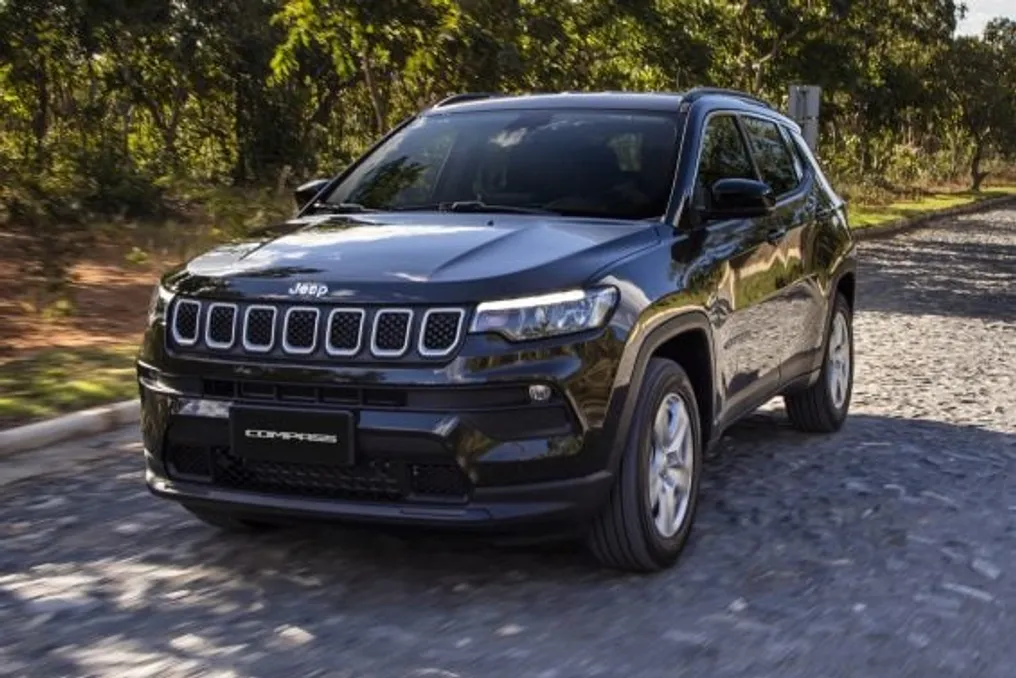
The 2027 Jeep Compass is scheduled to be unveiled in the coming weeks, incorporating a 48-volt mild hybrid electric vehicle (MHEV) system. This new system will be available in three trims: Sport, Longitude, and Series S.
The 2027 Jeep Compass is scheduled to be unveiled in the coming weeks, incorporating a 48-volt mild hybrid electric vehicle (MHEV) system. This new system will be available in three trims: Sport, Longitude, and Series S.
This technology is shared with other Stellantis models, such as the Renegade, Commander, and Fiat Toro. The mechanical unit will combine the 1.3 turbo flex engine from the T270 line with an electric motor that generates 15.5 hp and 6.6 kgfm of torque. This electric motor will function to assist the combustion engine at specific moments, aiming to reduce fuel consumption and pollution levels.
The 1.3 turbo flex engine maintains its power of 176 hp and 27.5 kgfm, regardless of whether it uses ethanol or gasoline, and continues to use the six-speed automatic transmission. It is important to note that the power was adjusted from 185 hp to 176 hp to comply with the Proconve L8 program guidelines. The 48-volt system should help make the delay in accelerator response caused by this change smoother.
Although there are no official consumption data yet for the MHEV version, Jeep disclosed that the 2027 Renegade, which uses the same technology, offers up to 7% fuel economy savings in urban environments and up to 8% reduction in CO2 emissions. By applying this 7% improvement to the current Compass 1.3 city ratings—which are 12 km/l with gasoline and 8.6 km/l with ethanol—the mild hybrid model could theoretically achieve approximately 12.8 km/l with gasoline and 9.2 km/l on the highway.
The vehicle's design will not undergo immediate changes, as Jeep plans to launch a new generation of the Compass specifically for the Brazilian market in 2028. In terms of safety, the Sport version will not come standard with advanced driver assistance systems (ADAS), which will remain restricted to the optional Tech II package. In addition to the three mild hybrid options, the 2027 Compass will continue to offer the BlackHawk version, which is equipped with the 2.0 turbo flex Hurricane engine, 4x4 traction, and a nine-speed automatic transmission. Jeep has not yet provided information regarding launch dates or prices.
Although the second-generation Jeep Compass continues to hold the title of best-selling mid-size SUV in Brazil for the ninth consecutive year, two of its 'relatives,' built on the same base, have faced a different fate abroad.
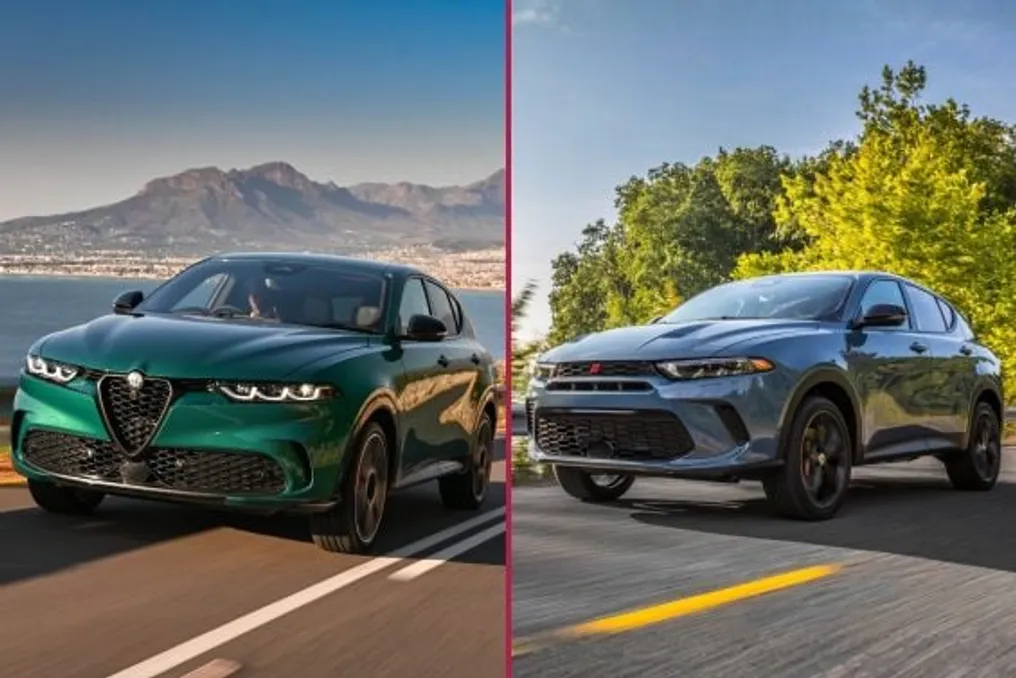
The Dodge Hornet, which was discontinued in January, has almost zero stock in the United States, according to data from the website Carscoops, with fewer than 90 units remaining. Similarly, the Italian 'sibling' Alfa Romeo Tonale is projected to be discontinued in 2027.
The Hornet and Tonale were essentially modifications of the second-generation Jeep Compass, differing only in body style and emblem. All three models utilize the Small Wide 4x4 LWB platform, an architecture developed by the former Fiat Chrysler and introduced with the current generation Compass in 2017. The Hornet and Tonale were manufactured at the Pomigliano d'Arco plant in Italy, alongside the Compass.
The list of common components is extensive: the 2.0-liter turbocharged gasoline engine from the GME-T4 family, used in Jeep and Alfa Romeo, produces 272 hp and 40.8 kgm in the Hornet GT and Jeep. The hybrid plug-in models were based on the Compass 4xe system in Europe: in the Hornet R/T, a 1.3-liter turbo engine combined with a rear electric motor delivers 292 hp and 53 kgm. The digital instrument cluster, central Uconnect 5 system, screens, and a significant portion of the interior parts were also common across all three vehicles, which have similar dimensions: the Hornet reaches a length of 4.52 m, while the Compass is about 4.40 m.
This approach is part of the standardization strategy of the company Stellantis, which owns fourteen brands. By distributing the same platform among Jeep, Dodge, Alfa Romeo, and even the Fiat Toro pickup, the group reduces high development costs and accelerates the release of new models through so-called 'badge engineering.'
However, this formula has not resulted in sales success outside of Brazil. The Hornet reached its best year in 2024, selling 20,559 units in the US; in 2025, sales sharply dropped to 9,365, representing a 54% decrease. The Tonale sold only 5,652 units in the same market in 2025, a decline of 36%. Dodge attributed the discontinuation of the model to 'changes in the political climate,' interpreting the market situation related to a 25% import tariff since the vehicle came from Italy.
A comparison with Brazil shows a clear difference: only the Compass sold 61,262 units in Brazil in 2025, which is 22.4% more, and entered the top ten best-selling cars in the country. This volume is nearly three times higher than the Hornet's best performance in the US and more than ten times higher than the Tonale's performance in the US.