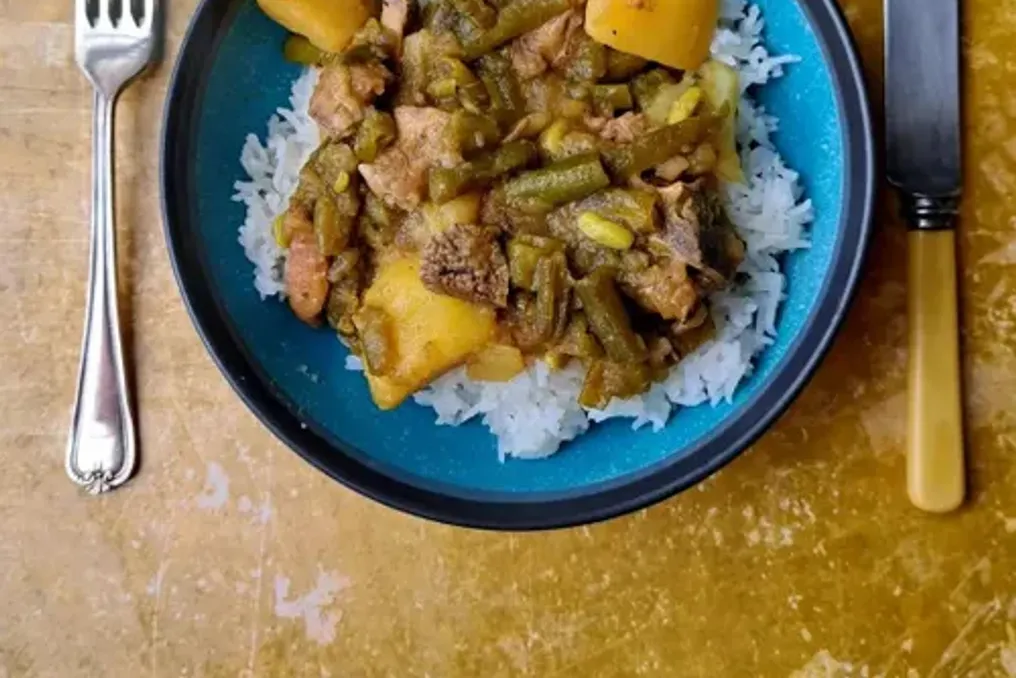
Bredi is deeply integrated into the culinary culture of the country, especially during cold weather when hearty, slow-cooked meals are needed. For many South Africans, Bredi is associated with a feeling of home, as the aroma coming from the kitchen instantly evokes warm memories.
The author recalls his mother preparing Bredi at least once a week, creating an atmosphere of coziness where the food seemed even tastier the next day. Among the favorite dishes, the author highlights tomato Bredi, but cabbage Bredi wins in his own home.
Popular types of Bredi
Although there are many variations of Bredi, three dishes are considered the most iconic: tomato, cabbage, and peas Bredi. These recipes are passed down through generations, with each family adding its unique touches.
It is worth noting that the word 'Bredi' has roots in Malaysia. Despite its close connection to Afrikaans cuisine today, this dish and cooking style were brought to Cape Town by the Cape Malay community, many of whom arrived in South Africa from the Dutch East India Company from modern-day Indonesia and Malaysia.
Evolution and significance of the dish
Initially, the term referred to a specific type of oriental spinach, but over time it transformed into the name of a slow-simmered stew where vegetables are cooked with meat, most often lamb. This resulted in a unique South African dish, shaped by the influence of various cultures, traditions, and available ingredients in Cape Town.
Today, Bredi remains an integral part of the local gastronomic culture, especially in the colder months when rich, slow-cooked dishes are required.
Tomato Bredi as a classic
Tomatiebredi is considered one of South Africa's most famous comfort foods. It is characterized by a rich, slightly tart, and deep flavor. The charm of tomato Bredi lies in how simple components transform into something incredibly aromatic after long hours of slow cooking. The tomatoes break down, forming a thick sauce that coats the tender meat and fills the kitchen with a unique scent.
Many South Africans claim that tomato Bredi tastes even better on the second day, when all the aromas have had time to stabilize. For many families, this dish is closely linked to childhood memories and Sunday lunches; it is filling but not heavy, offering a perfect balance of sweetness and acidity.
Cabbage Bredi and peas
Although cabbage Bredi may not always receive as much attention as tomato Bredi, it is a true favorite in many South African homes. When slow-cooked, the cabbage softens beautifully, absorbing all the richness of the sauce and meat. The final result is a very comforting dish with a mild sweetness, which is especially pleasant during winter.
In many families, cabbage Bredi is seen as genuine home cooking. It is affordable, nutritious, and capable of feeding a large group, which probably explains its popularity across generations. The simplicity of this dish makes it special, as it brings warmth and nostalgia, which are highly valued when temperatures drop.
Peas Bredi is another classic variation worthy of a place among South Africa's most beloved traditional dishes. Unlike the rich and juicy tomato Bredi, pea Bredi has a more earthy flavor profile. The peas become soft and tender during cooking while retaining enough texture to give the stew character. Combined with slow-cooked meat and fragrant spices, it creates a meal that feels both rustic and deeply soothing.
For many South Africans, pea Bredi is associated with family gatherings and winter dinners. This dish quietly passes down traditions from generation to generation. What Bredi offers is not just the ingredients or the method of preparation, but the feelings it evokes—these are dishes built on patience, comfort, and bringing people together. In a country with diverse tastes and culinary traditions, Bredi remains a vibrant example of the best South African cuisine, telling a story of history, resilience, and cultural fusion, all simmering in one pot.