Since April 2026, the Food and Agriculture Organization of the United Nations (FAO), with financial support from the European Union (EU), has been implementing the Farmer Field Schools (FFS) program as part of the 'Technical Assistance in Proper Management of Hazardous Chemicals' project. This initiative will run until December 2026.
Geography and Program Participants
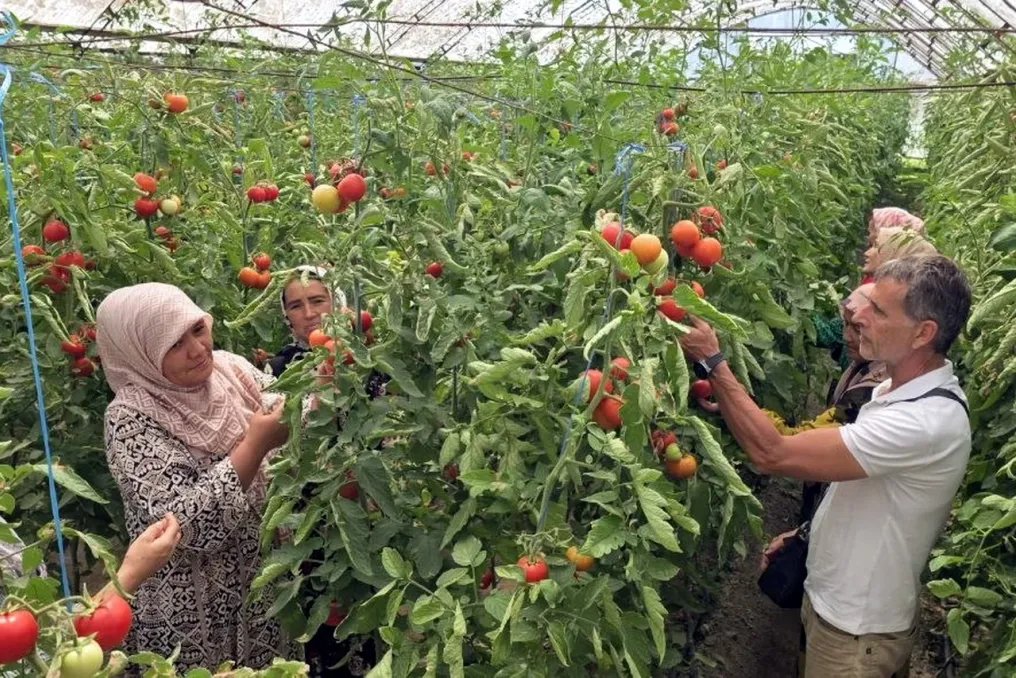
The program covers four Farmer Field Schools in Uzbekistan: one is located in the Fergana region, one in the Namangan region, and two in the Jizzakh region. Each school brings together fifteen small farmers who grow tomatoes, cucumbers, sweet peppers, and other vegetable crops in greenhouses.
Activities and Experience Exchange
In June 2026, FAO conducted field days and preparatory training for the Farmer Field School participants. The goal of these events was to strengthen the practical knowledge of the farmers and popularize methods of sustainable plant protection. Interactive sessions allowed participants to exchange experiences, analyze the results of field observations, and study modern technologies for increasing yields adapted to local conditions.
Participation of EU Representatives
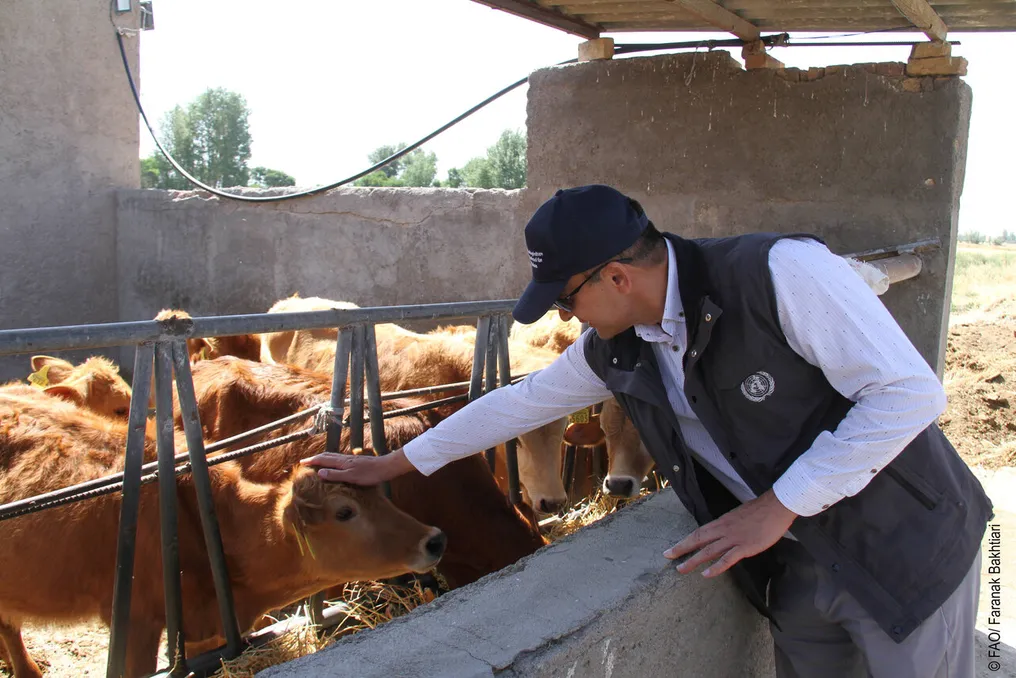
Roberto Aparisio, a representative of the European Union Delegation in Uzbekistan, also took part in the events. He emphasized the significance of this initiative and the strong partnership between FAO and the European Union in supporting the sustainable development of rural areas in Uzbekistan. The visits were aimed at assessing the progress of the Farmer Field Schools and involving local stakeholders in planning future activities.
Results and Participant Feedback
Participants reviewed interim results, discussed existing difficulties, and identified opportunities to improve the effectiveness of the approach and expand its coverage in the region. Nurmuhammad Mamajonov, a participant in the Farmer Field School from the Altaryk district of the Fergana region, noted the great benefit of participating in the program. He stressed that the most important lesson was the importance of prevention—proper soil preparation and taking all necessary measures before planting. According to him, preventing pests and diseases is much more effective than fighting them after they appear, and he is already applying these methods in practice, highly valuing regular monitoring and early detection of problems.
Significance of Practical Training
Yakhongir Babajanov, a technical expert for the European Union-funded project, stated that direct work with farmers in the field allows for tangible results, including improved production practices, wider application of biological plant protection methods, and increased confidence among farmers in using modern sustainable approaches. He believes that such practical training sessions are necessary to achieve long-term positive changes at the local community level.
Principles and Goals of the Program
The Farmer Field Schools approach is based on practical experience and learning through participation, which allows farmers to test and implement innovative agricultural technologies in real field conditions. This learning model promotes the improvement of participants' professional knowledge, increases yields, and expands the use of biological plant protection agents, thereby reducing the consumption of hazardous chemicals. FAO and the European Union continue to support local communities within the project, strengthening capacity, fostering cooperation among stakeholders, and promoting sustainable agricultural practices that align with national priorities and broader regional development goals.