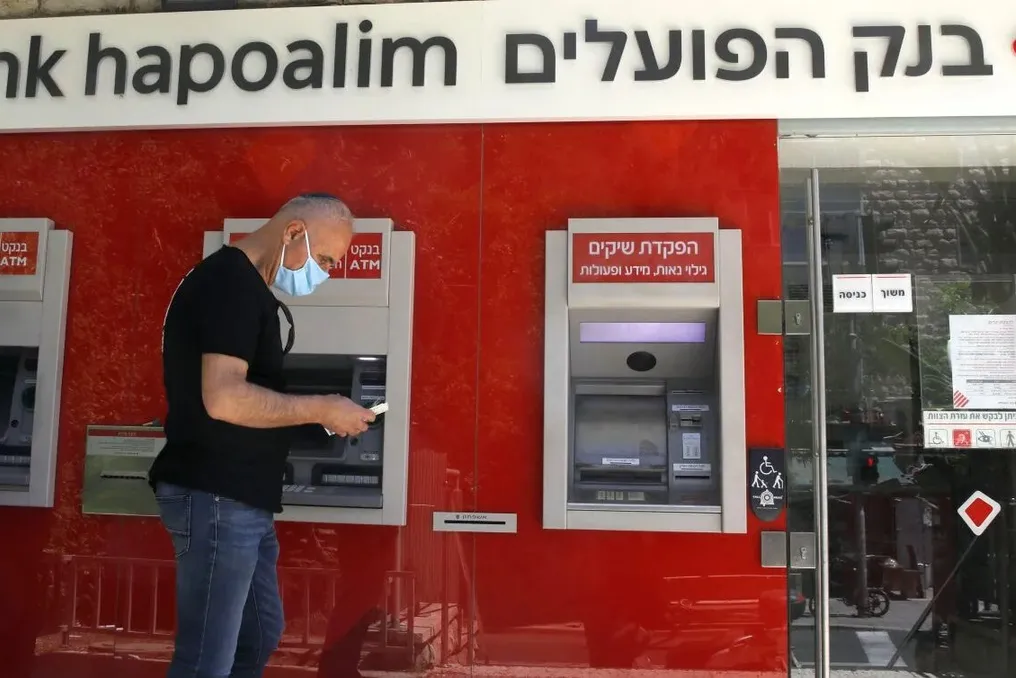
AFP reported that Israeli banks Hapoalim and Discount have notified Palestinian banks of their intention to cease providing vital correspondent banking services within several weeks.
Timeline for Service Termination
According to the report, five Palestinian banks that use Bank Hapoalim's services for correspondent banking will lose access to these services on August 13. Banks conducting operations through Discount Bank will face a similar situation on September 1, Palestinian banking officials stated.
Reasons for the Decision
The Israeli Ministry of Finance stated that this decision was made due to 'growing public risks and concerns regarding private lawsuits that may be directed against Israeli banking institutions.' The Ministry also announced that it is in discussions with both banks to ensure the continuation of correspondent banking 'in a safe and responsible manner,' while protecting Israel's economic and defense interests.
Significance of Banking Ties
Correspondent relationships between Palestinian banks and Bank Hapoalim, as well as Bank Discount, represent an operational link connecting the Palestinian banking system with the Israeli financial system. This interconnection ensures the smooth operation of critical transactions such as transferring shekel payments between Palestinian and Israeli banks, settling payments for Palestinian imports from Israel (which constitutes the main part of Palestinian trade), and receiving and transferring salaries of Palestinian workers employed in Israel and settlements.
Furthermore, this arrangement allows for the return of surplus shekel banknotes accumulated in Palestinian banks to the Israeli banking system and facilitates transfers between Palestinian and Israeli companies. If these ties are severed without finding an alternative, it could have far-reaching consequences, including disruptions in settlements between Palestinian and Israeli firms.
Economic Consequences
This move will also disrupt the supply of essential goods such as food, fuel, and medicine, and exacerbate the existing crisis of shekel accumulation in Palestinian banks, which arose from restrictions on repatriating excess cash to Israel. The impact on the Palestinian Authority will depend on the duration of the disruptions and whether a temporary or permanent solution is reached. In the event of an actual severance of correspondent relations, the Palestinian Authority may face difficulties in paying state sector salaries due to delays or increased costs of fund transfers.
Trade disruptions could also lead to reduced tax revenues, increasing fiscal pressure, while payment delays and shekel shortages could undermine public confidence in the banking system.
Political Motivation and Risks
Economic expert Nasr Abdel Karim told Middle East Eye that the Israeli government has been implementing 'all possible policies to subjugate Palestinians one way or another' over the past four years. Karim believes that this step has a political undertone and will worsen the problems already faced by Palestinians, including fuel shortages, salary delays, excess shekels in local banks, high youth unemployment, and deteriorating living conditions. He added that this will put additional pressure on traders and the private sector.
He noted that 'bank decisions are based on minimizing risks and protecting the interests of their shareholders and depositors. The uncertainty created by Smotrich left no room for maneuver for the banks, so they decided to sever relations. But this, of course, happens in the context of expansionist policy.'
Expansion of Economic Sovereignty
Another problem for the Palestinian banking sector is the growing reliance on cash instead of electronic transfers, which involves higher risks and costs. There is also a possibility that banks' ability to provide certain services to clients may decrease if the disruptions last for a long time. Palestinian officials and international organizations have warned that a breakdown could trigger a wider economic and banking crisis if an alternative mechanism is not found or current agreements are not extended.
Political analyst Mohammed al-Qeeq told Middle East Eye that Israel has deliberately sought to sever all ties with the Palestinian Authority to pave the way for its collapse, working with private companies that could replace it. According to Qeeq, this will allow Israel to interact with Palestinians bypassing the Palestinian Authority. He explained: 'Israel views the West Bank as Judea and Samaria, which means for the international community that there is no sovereign Palestinian state. This means it is Israeli land, and deals will be made with companies, not with the Palestinian Authority.'
In his view, the banks' actions are a key part of the annexation plan aimed at dismantling the Palestinian Authority and weakening Palestinians by depriving them of their independent economy and even basic needs, such as fuel, thereby reducing them to the status of temporary residents in this territory.