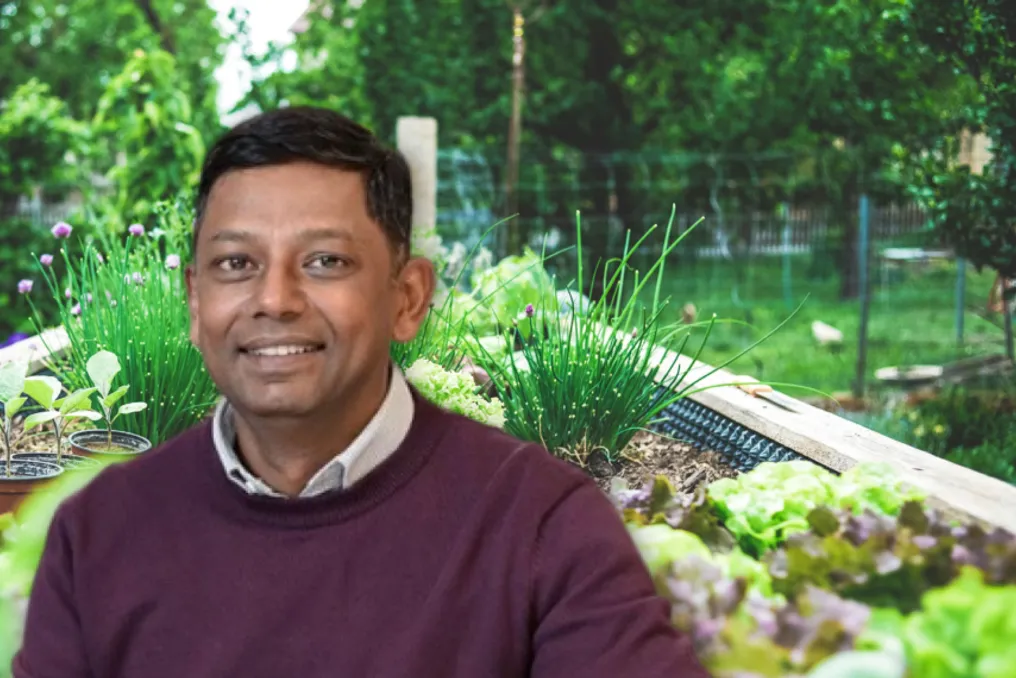
The Shoprite Group recently established its three hundredth community garden outside of Bredasdorp, located in the Western Cape. The 'Zero Organic Waste in Landfills' project is being implemented in collaboration with the local municipality and the South African Zero Waste Association.
Project Development and Goals
In 2021, this site was focused solely on waste diversion. Today, it collects organic food waste from 800 households to produce compost and grow fresh vegetables. Experts note that farmers interested in regenerative agriculture in Mzansi are moving in the right direction.
Food For Mzansi interviewed Sandjiv Ragubir, Head of Sustainability at the Shoprite Group, to learn about the mechanism of this project and the importance of local food systems.
Contribution to Food Security
Reaching the 300th milestone has been a significant moment for the Shoprite Group. Sandjiv Ragubir states that such gardens play a vital role as they increase the availability of fresh and nutritious produce, especially in underserved areas. He refers to the 2025 South African Food Security Index, which highlighted the critical importance of diverse nutrition. Community gardens contribute to this diversity by providing immediate access to various fresh vegetables.
Over the last decade, the program has expanded to 300 gardens across the country. In addition to soil preparation, the program provides 18 months of practical agricultural training, irrigation systems, water harvesting infrastructure, and continuous mentorship. These gardens not only produce food but also create local economic opportunities, develop practical skills, and strengthen long-term community sustainability.
Circular Economy Model
The Bredasdorp project utilizes a circular economy model. Such initiatives change communities' perception of waste, viewing it as a valuable resource rather than something to be discarded. Bredasdorp serves as a clear example of this process. Organic waste from approximately 800 households is collected, sorted, and composted on-site.
This results in nutrient-rich compost that is returned directly to the soil for vegetable cultivation, forming a closed loop system just meters away from the waste disposal site. By preventing organic waste from reaching landfills, greenhouse gas emissions are reduced, soil health is improved, and sustainable local food production is supported. This demonstrates successful collaboration between municipalities, NGOs, and the private sector.
Regenerative Agriculture and Climate
Regenerative methods are absolutely capable of strengthening community resilience in the face of climate change. They help communities cope with climatic challenges by improving soil health, increasing water retention, and boosting biodiversity. Healthy soil absorbs and retains moisture much better, allowing crops to withstand periods of drought and extreme weather conditions.
In Bredasdorp, the garden uses compost derived from local organic waste for natural soil enrichment. This reduces the need for synthetic fertilizers and protects long-term land productivity.
Importance of Local Production
As food prices rise, local production becomes increasingly important. Price increases place immense pressure on family budgets, making it difficult to afford nutritious food. Local production helps alleviate this pressure by eliminating high transportation costs for goods over long distances. It makes fresh vegetables accessible right within the community. In the Bredasdorp project, vegetables are grown and sold near where people live, meaning food travels a very short distance from the ground to the table.
While local production cannot replace large-scale agriculture, it perfectly complements it. It improves immediate access to fresh produce, strengthens local food systems, and helps communities become less vulnerable to supply disruptions. This is why community gardens are becoming an increasingly valuable part of broader efforts to enhance food security and community sustainability across South Africa.