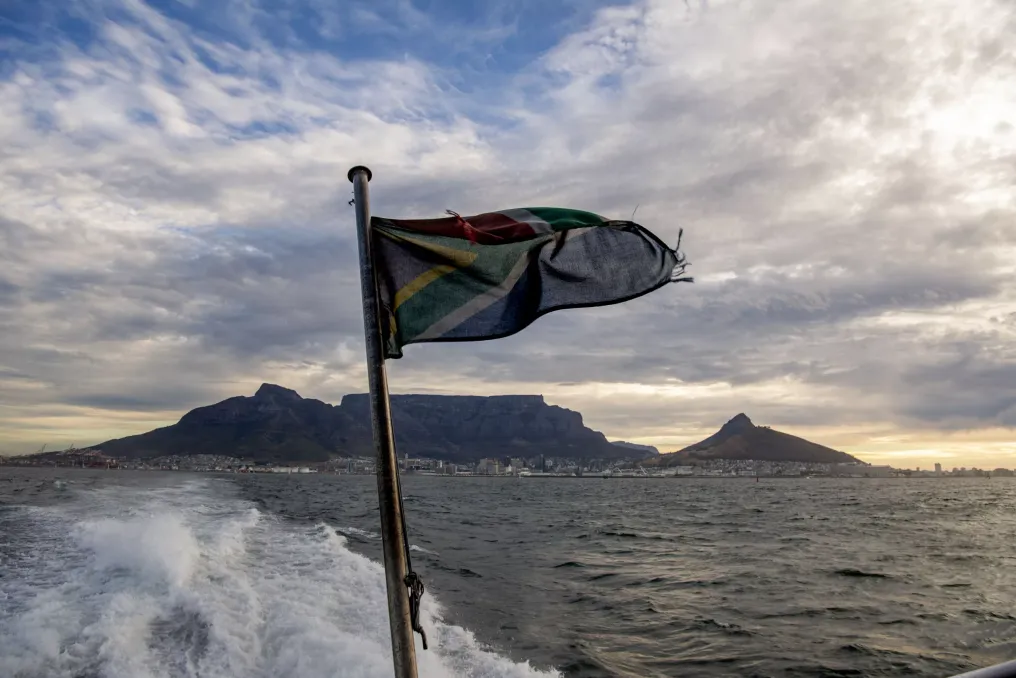
The landscapes of South Africa hold countless amazing stories, yet some of the most significant journeys take place indoors. Museums across the country preserve moments that have shaped the nation—from centuries of struggle and resilience to the birth of democracy.
These institutions transform history from dry dates into an experienced reality, allowing visitors to walk through former prison cells, stand in places of key events, and hear the voices of eyewitnesses. In observance of Mandela Day on July 18th, visiting these museums offers an opportunity for a meaningful journey, deepening the understanding of the people, places, and events that continue to influence South Africa today.
Robben Island Museum in Cape Town
Few places symbolize South Africa's fight for freedom as powerfully as Robben Island. Located approximately seven kilometers off the coast of Cape Town, the island served various purposes over the centuries: as a hospital, a military base, and a prison. During apartheid, it gained international recognition as a site where political prisoners, including Nelson Mandela, were held, spending 18 of his 27 years of incarceration in its maximum-security walls.
Today, visitors arrive at the island by ferry from the V&A Waterfront promenade, after which they take a tour of the prison. Former political prisoners often serve as guides, whose personal stories lend a special depth to the experience. Declared a UNESCO World Heritage Site in 1999, Robben Island remains one of the nation's most vital sites of memory.
Apartheid Museum in Johannesburg
If the goal is to understand modern South Africa, few places can provide more context than the Apartheid Museum. Opened in 2001, the museum documents the rise and fall of apartheid through immersive exhibitions, archival photographs, film materials, personal testimonies, and thought-provoking installations.
Visitors begin their visit by entering a hall where they are randomly assigned racial classifications, serving as a powerful introduction to the realities of institutional segregation. The museum explores not only the politics but also the daily impact of apartheid on millions of South Africans, as well as the extraordinary struggle that ultimately led to democracy.
District Six Museum in Cape Town
Long before forced removals during the apartheid era, District Six was one of Cape Town's most vibrant multicultural neighborhoods. Everything changed in 1966 when the area was designated for white settlement under the Group Areas Act, forcing about 60,000 residents to leave their homes. The District Six Museum, established in 1994, preserves these memories through personal photographs, handwritten street maps, family belongings, and oral histories donated by former residents.
The museum remains community-managed, with many exhibits curated by people whose lives were directly affected. Visiting the museum offers a deeply personal perspective on displacement, identity, and resilience, themes that continue to resonate today, focusing more on the sense of belonging than on the buildings themselves.
Constitutional Hill in Johannesburg
Constitutional Hill tells two stories simultaneously. It was once one of South Africa's most notorious prison complexes, housing political activists, ordinary citizens, and prominent figures, including Nelson Mandela and Mahatma Gandhi. Today, it hosts the Constitutional Court, symbolizing the country's commitment to justice, equality, and human rights.
Visitors can tour the preserved prison blocks and then move into the impressive modern courthouse building, where the Constitution of South Africa continues to shape the nation's future. Sites once associated with oppression now serve as symbols of democracy, making Constitutional Hill one of the most powerful places reflecting South Africa's transformation.
Hector Pieterson Museum in Soweto
The Soweto Uprising on June 16, 1976, remains one of the defining moments in South African history. The Hector Pieterson Museum commemorates the students who protested against apartheid education policies, featuring exhibits dedicated to the events of that day. The famous photograph of 13-year-old Hector Pieterson being carried after a fatal shot became a global symbol of resistance.
Interactive displays, historical documents, and personal accounts help visitors understand the significance of the youth movement. The museum provides essential context to one of South Africa's most influential protests while honoring the courage of a generation that demanded change.
Iziko Museums of South Africa in Cape Town
Iziko Museums represent not a single institution, but a network encompassing some of Cape Town's most crucial cultural and historical collections. This network includes museums studying archaeology, indigenous heritage, natural history, social history, and diverse South African cultural heritage.
Together, they narrate histories spanning millions of years—from ancient fossils and early civilizations to colonial history and democracy. Due to its diversity, Iziko is ideal for travelers seeking a broader understanding of South African history that extends beyond a single historical period.
Freedom Park in Pretoria
Freedom Park is a place for reflection, not just a museum. This national heritage site, located on the Salvokop hill, honors those who died during South Africa's numerous conflicts while marking the country's journey toward reconciliation and democracy. Its exhibits trace the history from ancient African civilizations through colonialism, apartheid, and up to the democratic era.
Memorial spaces, local gardens, and panoramic views of Pretoria encourage visitors to slow down and contemplate. The combination of history, architecture, memorials, and breathtaking city views creates an experience that is both educational and deeply moving.
Nelson Mandela Museum in Mthatha
To understand Nelson Mandela, one should visit the place where his story began. The Nelson Mandela Museum spans three sites in the Eastern Cape, including the Bhunga building in Mthatha, Qunu, and Mvezo—the village where Mandela was born. Together, they explore his early life, leadership qualities, values, and indelible legacy through exhibitions, personal artifacts, and historical archives.
The museum focuses not only on Mandela as a statesman but also illuminates his upbringing, family life, and the rural landscapes that shaped his worldview. Visiting Mandela's birthplace offers a more intimate look at one of South Africa's most influential figures, providing a compelling reason to explore the Eastern Cape beyond its well-known coastal attractions.
Journey Through the Nation's Stories
South African museums do more than just preserve history—they help travelers understand the landscapes, communities, and cultures they encounter. Whether taking a ferry to Robben Island, tracing the steps of the Soweto Uprising, or exploring the villages where Nelson Mandela spent his childhood, each location adds another layer to the country's remarkable story. On Mandela Day, consider including one or more of these places in your travel itinerary. You will leave not only with photographs but with a deeper understanding of South Africa itself.