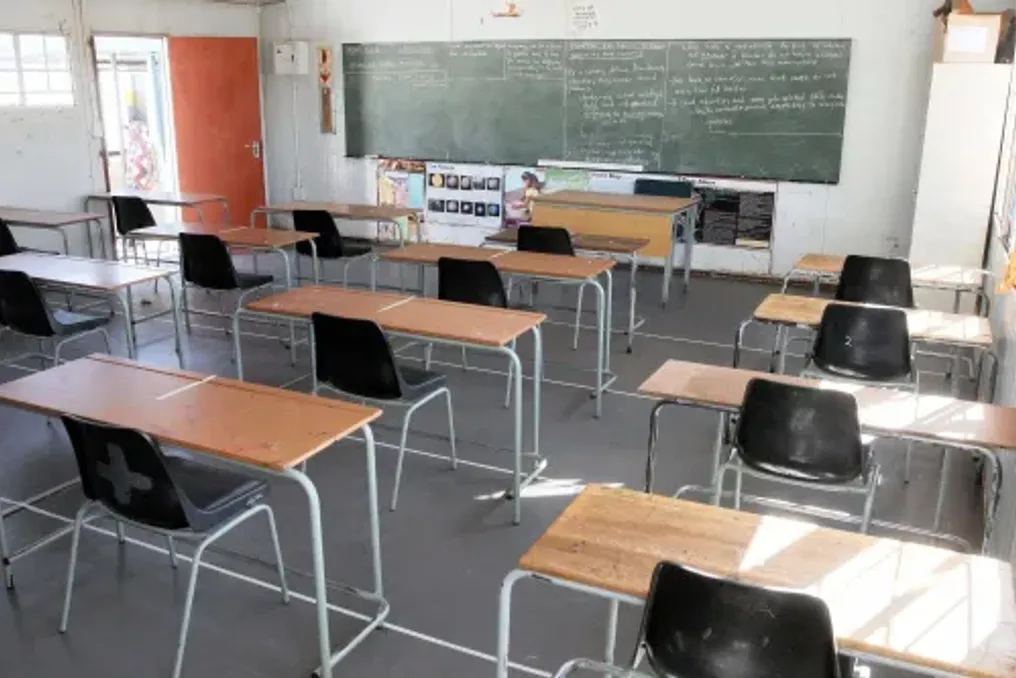
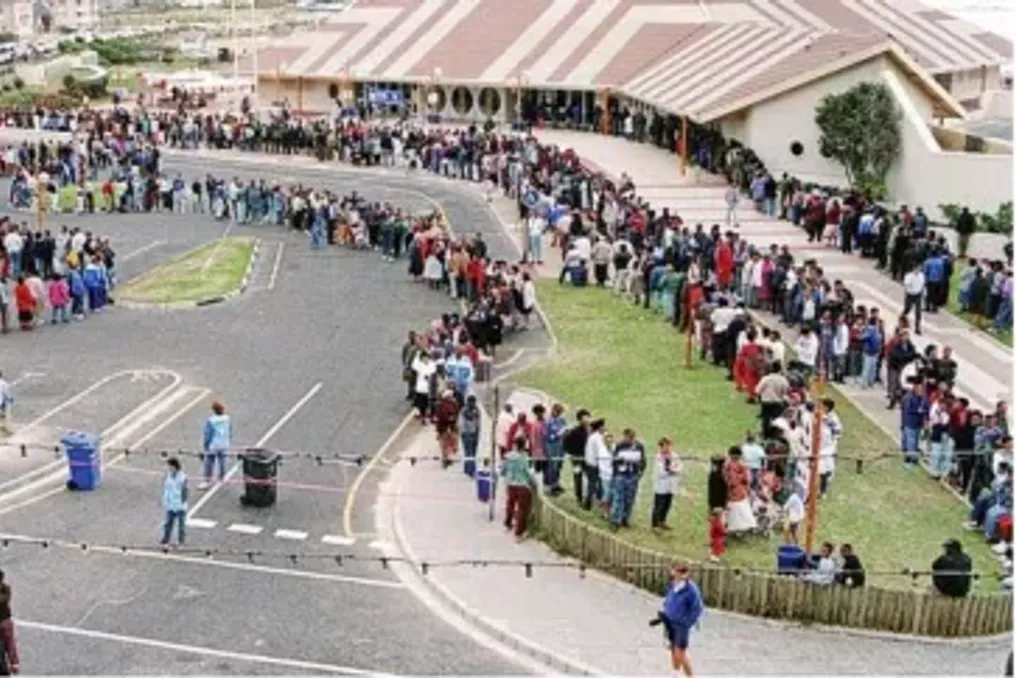
While long queues of citizens seeking to vote in the first democratic elections were observed in South Africa in 1994, too many South Africans today treat Election Day as just another public holiday. They forget that millions across the continent are fighting to preserve the right they so easily ignore.
New Law in Zimbabwe
Last Tuesday, 83-year-old Zimbabwean President Emmerson Mnangagwa signed a controversial new law that irreversibly strengthens his control over power. As part of this highly contentious move, he signed legislation extending his tenure as president for another two years after his term expires. More alarming is that this law effectively strips Zimbabwean citizens of the right to vote directly for their president, transferring this authority exclusively to the Zimbabwean Parliament.
This move by Mnangagwa has fundamentally altered the political landscape of Zimbabwe. Democracies around the world are largely based on the principle of voting and the ability to directly influence the determination of leadership. Without this fundamental principle, the spirit of democracy significantly weakens.
Succession of Power and Warning
The situation is particularly telling for Zimbabwe, which was previously led by former President Robert Mugabe, who held power for over 30 years. It appears his successor is attempting to replicate the same trend. This crisis should serve as a serious warning to neighboring South Africa, as the country approaches its own local elections on November 4th. Today, Zimbabwean citizens are watching one of the most fundamental pillars of democracy slip away from them: the right to choose their leaders.
In their home country, South Africa, this right still exists. However, too many South Africans perceive Election Day as a mere celebration, forgetting the struggle of millions on the continent to protect this right. Voting is not just a constitutional right; it is a privilege that, history shows, can be undermined, manipulated, or taken away. The greatest tragedy is not losing the vote, but having it and refusing to use it.
The Importance of Democratic Participation
This is a key aspect of democracy that seems to be forgotten by everyone. Participation is crucial; it is a gift. It is a tangible opportunity to shape your nation at a systemic level. It is the power to determine the presidency, the party, and the leaders who affect people's daily lives. Too often, people complain louder about the government than they participate in choosing it. They condemn unscrupulous corruption, high unemployment, crumbling infrastructure, and inefficient municipalities, and then disappear (every five years) when the ballot box calls to them.
People speak as if democracy owes them something, especially in South Africa, conveniently forgetting that democracy also demands something from them. The ballot paper may seem insignificant, but history has repeatedly shown it to be one of the most powerful tools ordinary people possess. The harsh truth is that apathy is never politically neutral. Your decision not to vote is a decision in itself. When you do not vote, you fail to realize that every election you refuse to participate in still leads to someone winning. The only difference is that someone else decided it.
Erosion of Democracy and Citizen Responsibility
Whether it is leaders or citizens, systems or organizations, democracy does not vanish overnight; it erodes gradually, with every decision. And this erosion is rarely the result of government actions alone. It also depends on the silence, complacency, and inaction of the very people for whom democracy was intended. Democracy dies not only when governments steal elections; it also dies when citizens voluntarily give up their vote due to apathy. It would be a profound shame to wait until the ballot is taken from us before we understand its value.
The fact is that Zimbabwe is not an isolated case. African history is replete with leaders who came promising liberation but then clung to power for decades. Many ruled for 30, 40, and even 50 years not because democracy suddenly failed, but because the people's power was gradually diminished, intimidated, or completely taken away. This is the true danger of political apathy.
By the time citizens realize the value of their democratic vote, it is often already silenced. Democracy survives only as long as ordinary people are willing to use it, defend it, and refuse to hand it over. It is sad that the democracy and freedoms we enjoy today in our societies were hard-won—literally with the blood, sweat, and tears of our own parents, grandparents, and millions of victims.
Call to Action
The memory of this fight for the right to vote must be paramount on Election Day. Every time we ignore Election Day, we not only completely disgrace their struggle; we spit in the face of their great sacrifice. Across the continent, our post-independence societies face numerous challenges, though some are more acute than others. Yet, we seriously risk our future when we neglect opportunities like elections. The risk is not just exclusion or disinformation; it is the gradual theft of our freedom while we stand aside, convinced that someone else will stop it.
We cannot continue to act as if democracy is invincible. It is not invincible. It has been seized before. It has been manipulated before. It has been stolen before. And history has never been merciful to those who voluntarily gave up their vote. Perhaps the biggest lie we tell ourselves is that one vote can change nothing. However, every election in history has been decided by the cumulative weight of individual decisions. Democracy has never depended on one heroic citizen. It has always depended on millions of ordinary people who believed their vote was important enough to use.
The lesson of Zimbabwe is not just for Zimbabwe. It applies to every nation arrogant enough to assume democracy is guaranteed. It is not guaranteed. Every freedom we enjoy today exists because someone before us refused to accept oppression as inevitable. This is what any free nation is built upon. Zimbabwe should not only evoke our sympathy. It should expose our complacency. Today, Zimbabwean citizens are desperately trying to preserve their inherent strength: their vote. South Africa and countless other countries could find themselves in the same situation.
Our democracies fail not because we care too much; they fail because too many of us have convinced ourselves that someone else will take care of us. Year after year, we mourn broken governments while refusing to participate in building better ones. But the obvious truth is that democracy requires more than honest leaders; it requires active citizens. Otherwise, today's silence will undoubtedly become tomorrow's crisis. If anything the situation in Zimbabwe teaches us, it is this: democracy is much easier to take for granted than to reclaim.