Brent crude oil prices exceeded $90 a barrel on Tuesday following the resumption of tensions between the United States and Iran, which heightened inflation risks. Economists warn that the South African Reserve Bank may decide on a further interest rate hike.
Global Market Reaction
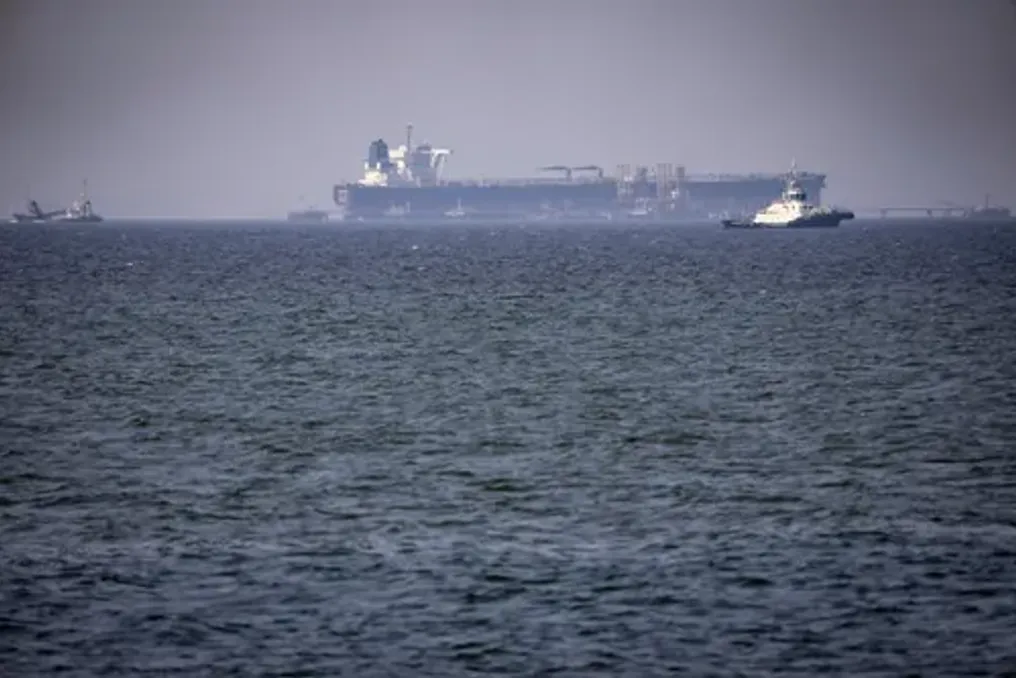
The renewed conflict between the US and Iran returned global markets to a risk-off mode on Tuesday. Brent crude reached $90.37 a barrel in the afternoon as investors assessed the potential impact of prolonged supply disruptions through the Strait of Hormuz.
The sharp rise in energy prices intensified inflation concerns both globally and in South Africa. This drew increased attention to the Monetary Policy Committee (MPC) meeting of the South African Reserve Bank (SARB) scheduled for Thursday, where economists are divided on another rate hike.
Conflict Situation Analysis
Patrick Buthelezi, an economist at Sanlam Investments, noted that the resumption of hostile actions added another layer of uncertainty to an already fragile global economy. He stated that the renewed tension calls into question the June memorandum of understanding between the US and Iran, emphasizing that the situation remains unstable despite open diplomatic channels.
According to Buthelezi, the conflict has already begun to disrupt commercial shipping routes and reversed the decline in oil prices observed after previous diplomatic efforts. Although oil prices have risen significantly, they remain below the peak levels reached during the height of the conflict. However, he added that a protracted conflict will ultimately affect reserves that have served as a buffer against supply disruptions.
Impact on Economic Growth
Buthelezi also pointed out that higher energy costs and escalating trade tensions threaten to slow global economic growth, despite the continued resilience of AI-driven investments. He noted that global growth is supported by strong demand for artificial intelligence and its continuous adoption, but this year it will be tested not only by higher energy prices but also by increased trade tariffs.
Although South Africa continues to benefit from economic reforms and relatively favorable trade conditions, Buthelezi forecasts a moderate pace of growth. He believes that progress in economic reforms and favorable trade conditions in South Africa partially offset the pressure caused by rising energy prices and US tariffs, but economic growth is likely to remain moderate.
Central Bank Positions
He also suggested that central banks worldwide will remain cautious, monitoring inflation risks associated with rising oil prices. He believes that the US Federal Reserve will likely maintain a hawkish stance and may raise interest rates even further, as inflation has remained above the 2% target since 2021.
Locally, Buthelezi expects the Reserve Bank to continue tightening monetary policy. He posits that SARB is likely to raise interest rates again because inflation exceeds the target, and geopolitical events increase inflation risk. Recognizing that the MPC is likely to remain divided, he predicts a moderate and controlled cycle of rate hikes.
Market Sentiment and Forecasts
Despite some optimism related to ongoing mediation efforts, market sentiment remains cautious. Bianca Botess, Managing Director at Citadel Global, reported that investors are closely watching developments in both financial markets and geopolitics. She noted that the S&P 500 closed down 0.19%, while US futures showed gains on Tuesday morning.
Botess added that Asian markets reacted positively to the resumption of mediation efforts between the US and Iran. The MSCI Asia Pacific Index excluding Japan rose by 0.25% on Tuesday, as Asia felt relief from the mediation in the Middle East. She also mentioned that the South African rand continues to follow global investor sentiment, trading steadily at R16.44 against the US dollar, R18.81 against the euro, and R22.15 against the British pound.
Neil Wilson, Investment Strategist at Saxo UK, stated that energy markets remain highly sensitive to the expanding conflict. He noted that the Middle East conflict appears to have expanded and intensified over the weekend. Although oil prices briefly fell after mediation efforts, risks remain heavily skewed towards higher energy prices, inflation, and rates.
Wilson also emphasized that higher oil prices once again put pressure on the broader stock market, leading to a 0.2% drop in the S&P 500. Investors will be closely watching South African inflation data expected on Wednesday, as well as the Reserve Bank's announcement on Thursday, to determine whether slowing inflation or supporting the struggling economy is the priority.