Around the world, people dedicated 67 minutes on Mandela Day to contribute to a common cause. This time was chosen in honor of each year Nelson Mandela spent fighting for social justice and human rights. In Durban, on July 18th, groups of local residents, businesses, and volunteers responded to Madiba's call to service, demonstrating that small acts of kindness can spark long-term change.
Activity in different parts of the city
A spirit of selflessness was felt throughout the city. In the areas of Bonela and Chatsworth, volunteers from Sewa International South Africa supported high school students while also conducting medical check-ups for the elderly. At various shelters and nursing homes, the DSK Group distributed approximately 700 blankets, hygiene kits, and hot meals.
Blood drives and charity
Meanwhile, at the Chatsworth Centre, the Rotary Club of Chatsworth, in collaboration with SANBS, collected 87 liters of vital blood, exceeding the initial target. Among these significant aid efforts, particular attention was drawn to the project at the Verulam Hospice aimed at creating a sustainable legacy.
Initiative at Verulam Hospice
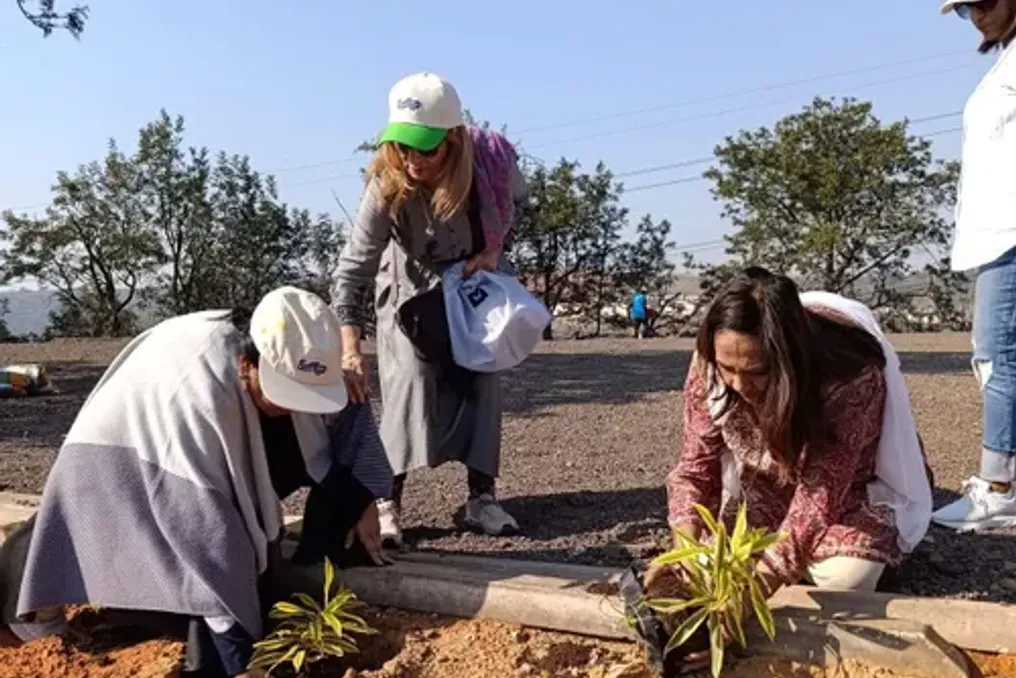
Members of the Sathya Sai Centre Durban North implemented an initiative at the hospice by planting local trees and committing to providing 22 food baskets monthly for patients and their families. This campaign, held at the hospice in Verulam, included planting trees to improve the appearance of a newly renovated parking lot and create a calmer atmosphere for visitors, staff, and patients.
The organization's monthly commitment to providing food baskets will ensure necessary nutritional support for needy families receiving palliative care, thereby strengthening the spirit of service and compassion associated with Nelson Mandela's legacy.
Significance for patients
The President of Verulam Hospice, Nova Chetty, emphasized that this initiative will have a profound impact on the lives of those served by the hospice. She stated: 'Mandela Day reminds us that any act of service, no matter how small, has the power to change lives.'
Chetty added that the trees will provide shade and create a peaceful, welcoming environment for patients, their loved ones, staff, and visitors for years to come. He highlighted the even greater importance of the promise of 22 monthly food baskets, which will alleviate the situation of the most vulnerable families facing the emotional and financial burden of caring for a person with a terminal illness.
He explained that the hospice provides comprehensive palliative care, recognizing that patients' needs extend far beyond medical treatment. 'Many of our patients come from disadvantaged backgrounds where food scarcity is a daily reality. Knowing that these families will receive regular support in the form of food allows them to focus on what matters most: spending precious time together with dignity and peace,' he explained.
For patients and their relatives, the trees symbolize more than just landscaping; as they grow, they will enhance the area and create quiet corners during life's most difficult moments.
Financial challenges and partnership
Like many non-profit organizations, Verulam Hospice faces increasing pressure due to the rising demand for palliative care amid growing operational costs. The institution relies heavily on donations, fundraising, and volunteers to ensure that patients continue to receive compassionate care regardless of their ability to pay.
Chetty noted that collaboration with community organizations is critical to maintaining these services. He concluded: 'This generous contribution demonstrates what can be achieved when organizations work together in the true spirit of Ubuntu.' He added that the Sathya Sai Centre Durban North did not just donate trees or food baskets; they invested in the well-being of the patients and showed them that their community cares about them.