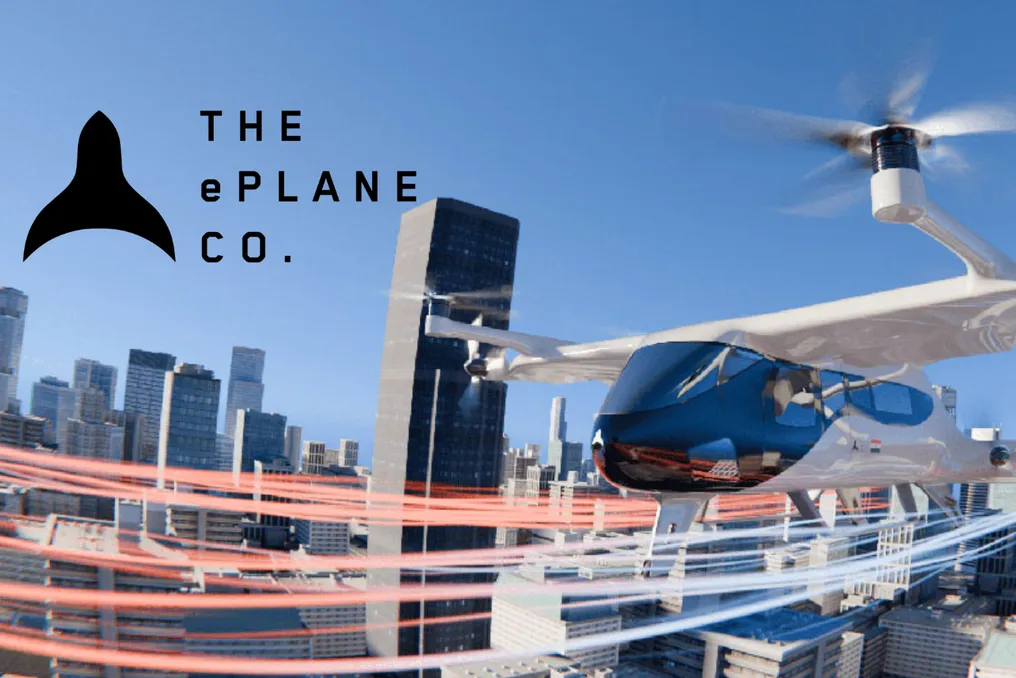
An Indian startup mentored by IIT Madras has unveiled a full-scale electric flying taxi prototype named e200X. This move marks significant progress for India in the field of electric aerial mobility, as the future of urban transport may no longer be confined to roads.
A New Approach to City Travel
The e200X aircraft is an electric Vertical Take-Off and Landing (eVTOL) vehicle. Unlike traditional airplanes, it can take off and land vertically, similar to a helicopter, before transitioning to horizontal flight. Since it does not require a runway, this aircraft is ideally suited for cities with limited land and daily traffic congestion issues.
The prototype is designed for passenger transport, cargo delivery, and emergency medical services. According to available data, the aircraft's structure is made of carbon fiber, weighs approximately 2.2 tons, has a wingspan of 8 meters, and has an estimated operational range of about 110 kilometers.
Development Supported by IIT Madras
The ePlane Company was founded in 2019 by IIT Madras professor Satya Chakravarti and Pranjal Mehta. The Chennai-based startup specializes in creating compact electric aircraft for urban transportation needs. The company has secured $21.5 million in investments from investors such as Speciale Invest, Antares Ventures, Micelio Mobility, and Naval Ravikant.
The company's mission focuses on improving so-called medium-range mobility, which covers travel between key points within a city over moderate distances. Instead of needing new airport infrastructure, the e200X will eventually be able to operate from existing helipads and suitable open spaces.
Future Testing Stages
Although the presentation was an important milestone, the aircraft is still under development. The ePlane Company plans to begin test flights of the full-scale prototype by mid-2027. Commercial operation will only commence after extensive testing, certification, and regulatory approval are completed.
The startup has already achieved a significant regulatory milestone by becoming the first private Indian company to receive design approval from the Directorate General of Civil Aviation for an electric aircraft. The type certification process for the e200X began in December 2024.
Significance for India
Major Indian cities continue to face growing problems with road congestion, air pollution, and long travel times. While electric flying taxis are unlikely to replace buses, subways, or regular taxis, they could offer an efficient alternative for urgent medical transport, time-sensitive cargo delivery, and premium city travel.
Although the e200X is still far from commercial deployment, its unveiling demonstrates that India is becoming an active participant in the global race to create next-generation aerial mobility. If the aircraft successfully overcomes technical and regulatory hurdles, it could pave the way for an Indian-created flying taxi ecosystem in the coming years.