A new study, applying modern forensic methods to the remains of three children sacrificed during an Inca Empire ritual 500 years ago, has shown that their deaths occurred differently than previously assumed. These bodies were found in Chile and preserved due to natural mummification in the low temperatures and arid climate of the Andes.
Revisiting Death Hypotheses
Archaeologists re-examined the cases of a boy found on Cerro El Plomo mountain in 1954 and two girls discovered in Cerro Esmeralda in 1976. For a long time, it was believed that the boy died from hypothermia at the summit, and the girls from suffocation. However, new analyses published in the journal Science Advances refute these assumptions.
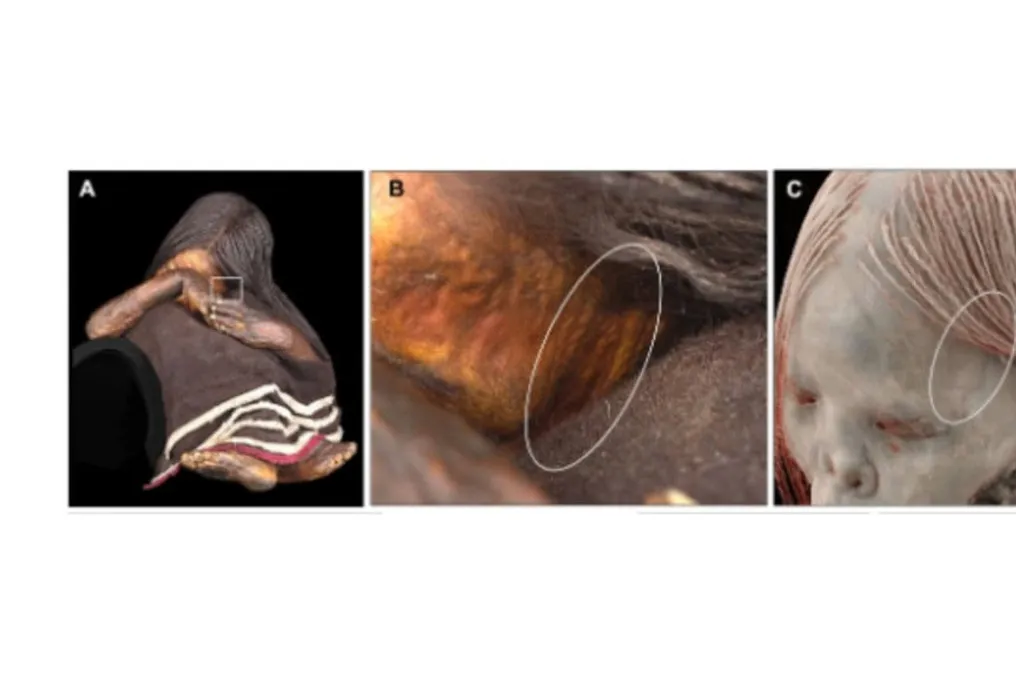
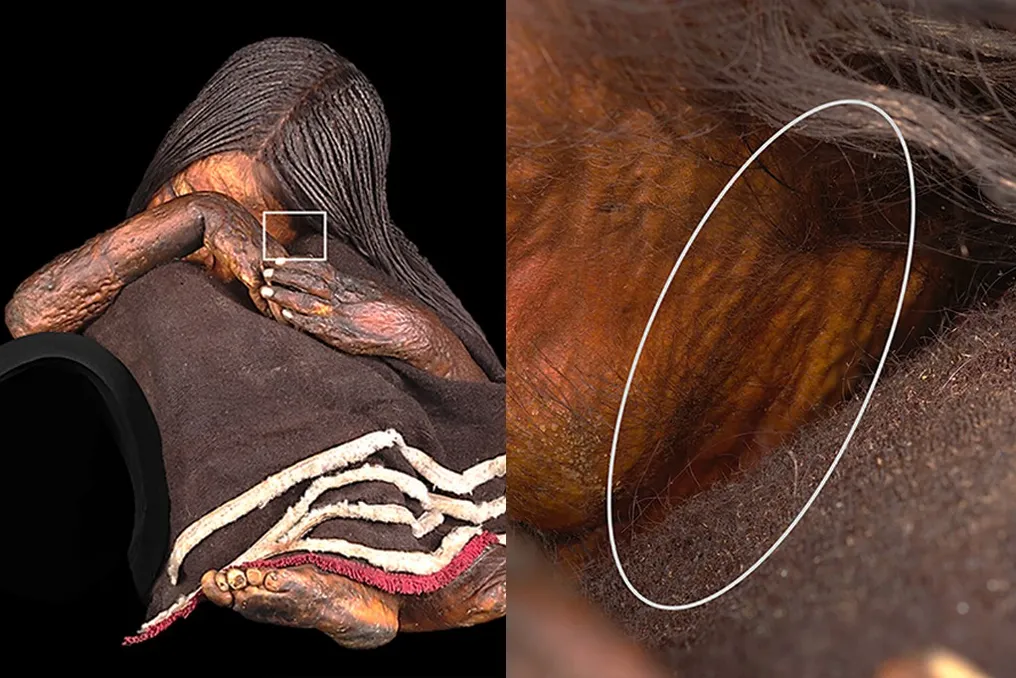
According to the new findings, the boy was killed by blunt force trauma to the head. Regarding the girls from Cerro Esmeralda, the situation is more complex: the research team claims that the presumed signs of suffocation were actually caused by clothing post-mortem. This is supported by the fact that their neck bones showed no signs of fractures or dislocations typical of most strangulation cases. Currently, the cause of death for the girls is considered 'undetermined.'
The Capacocha Ritual and Inca Culture
These cases are known examples of the ancient Inca ritual known as capacocha. This practice involved long pilgrimages to sacred mountain peaks and remote sanctuaries where human sacrifices were performed. As preparation, the individuals chosen for the ceremony traveled thousands of kilometers through sacred Inca communities for months before death.
Veronica Silva-Pinto, an archaeologist from the National Museum of Natural History of Chile and author of the article, emphasizes that studying mummies must take into account the beliefs of the Andean peoples, who did not view death as the end of existence. The Inca sacrifice did not only involve children; young men and women were selected to appease the gods and sacred spirits of the mountains. Being chosen was considered a great honor for both the victims and their families. Silva-Pinto noted that 'the proposed individuals acquired a new ritual status and could become intermediaries between communities, mountains, deities, and the state.'
Isotope Analysis and Movement
The study's results align with data from another article published in early 2026, which also studied Inca children's mummies and concluded that their deaths were violent. The boy from El Plomo, known as 'Niño de El Plomo', was sacrificed around 1480 when he was about 8 or 9 years old, near the summit of Cerro El Plomo in central Chile. The two girls, one about 9 years old and the other 18, were sacrificed approximately 30 years earlier, near the summit of the current Cerro Esmeralda in the Atacama Desert, northern Chile.
Archaeologists reached these conclusions through isotopic analysis of hair, teeth, and bones. Isotopes, being variations of a single atom, contain information about a person's diet. The proportions of different isotopes provide clues about where these children lived. Thus, specialists were able to reconstruct the movements of the victims for months before the sacrifice. The isotopes showed that the children traveled long distances between 'ecologically diverse regions.' It is estimated that Niño de El Plomo traveled between 2600 and 2800 kilometers over the last nine months, likely departing from Cusco, the Inca capital. The girls from Cerro Esmeralda presumably traveled between 900 and 1200 km over the last three months.
Silva-Pinto explains that 'local communities accepted pilgrims along the routes and participated in ceremonies related to the exchange of food and drink.' Nevertheless, bioarchaeologist Dagmar Socha from the University of Warsaw in Poland, who was not involved in the study, cautions against hasty conclusions. She notes that 'isotopic analysis itself does not allow for the precise reconstruction of a potential travel route.' According to her, isotopic variations are often not statistically significant and may only reflect seasonal changes in diet.