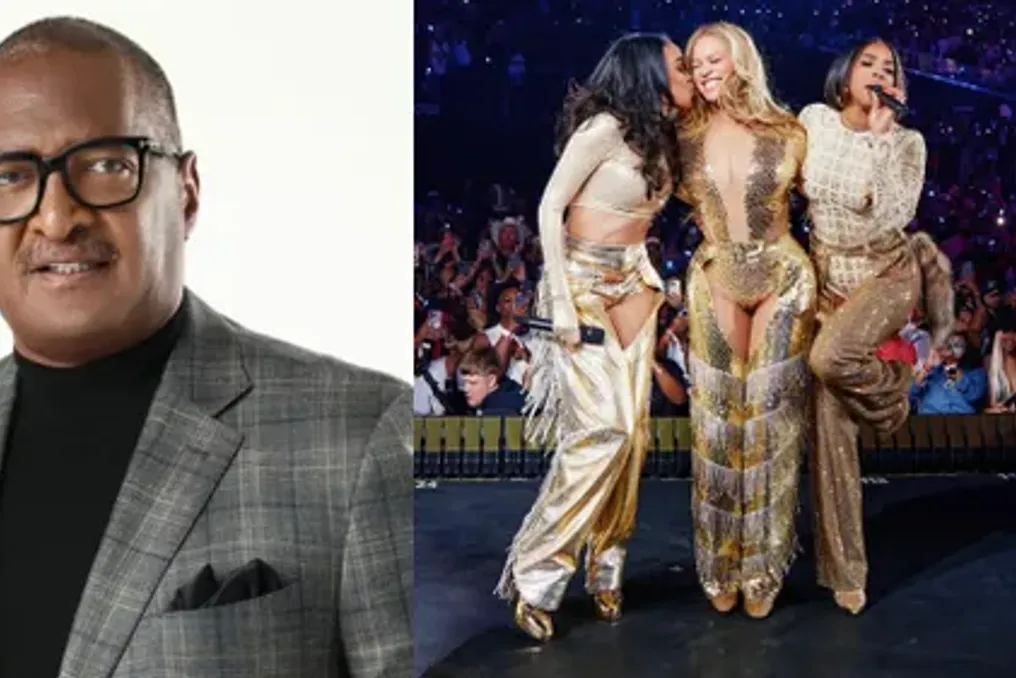
Matthew Knowles, former manager of Destiny's Child, announced the upcoming release of previously unreleased remixes featuring Beyoncé, Kelly Rowland, and Michelle Williams.
Details of the Upcoming Release
According to Beyoncé's father, Matthew Knowles, the collection of never-before-seen Destiny's Child remixes is expected within the next month. He shared this information during an interview on SiriusXM’s Page Six Radio, specifying that the forthcoming release will contain tracks listeners have never heard before.
Knowles explained that the collection will be a mix of dance and urban remixes, and will also include collaborations with guest rappers, while Beyoncé, Kelly Rowland, and Michelle Williams will remain central figures in the music.
Guest Appearances and Timeline
He emphasized that they possess numerous unreleased Destiny's Child recordings. Knowles hinted at Missy Elliott's participation in one of the tracks before quickly stopping himself. He also informed fans that the project will be available within the next thirty days.
Group History and Fan Reaction
This announcement followed shortly after Destiny's Child celebrated the anniversary of the album 'The Writing's on the Wall'. This 1999 album helped cement the group's status in music history by featuring hits such as 'Bills, Bills, Bills', 'Say My Name', and 'Jumpin', Jumpin'. The news generated significant buzz among long-time fans on X.
Destiny's Child originally debuted in the late 1990s with Beyoncé, Rowland, LeToya Luckett, and Latavia Roberson. After lineup changes, Williams joined the trio, and they became one of the most successful female groups of all time. They released albums like 'Survivor' and 'Destiny Fulfilled' before announcing their transition to solo careers in 2005.
Since then, Beyoncé has become one of the biggest global music stars, Kelly Rowland has achieved success in music, television, and film, and Williams has found recognition in gospel, Broadway theater, and television genres. Despite the trio performing together at special events, including Beyoncé's performance at Coachella in 2018 and the final concert of her 'Cowboy Carter World Tour' in 2025, they have not released new music together since the breakup.