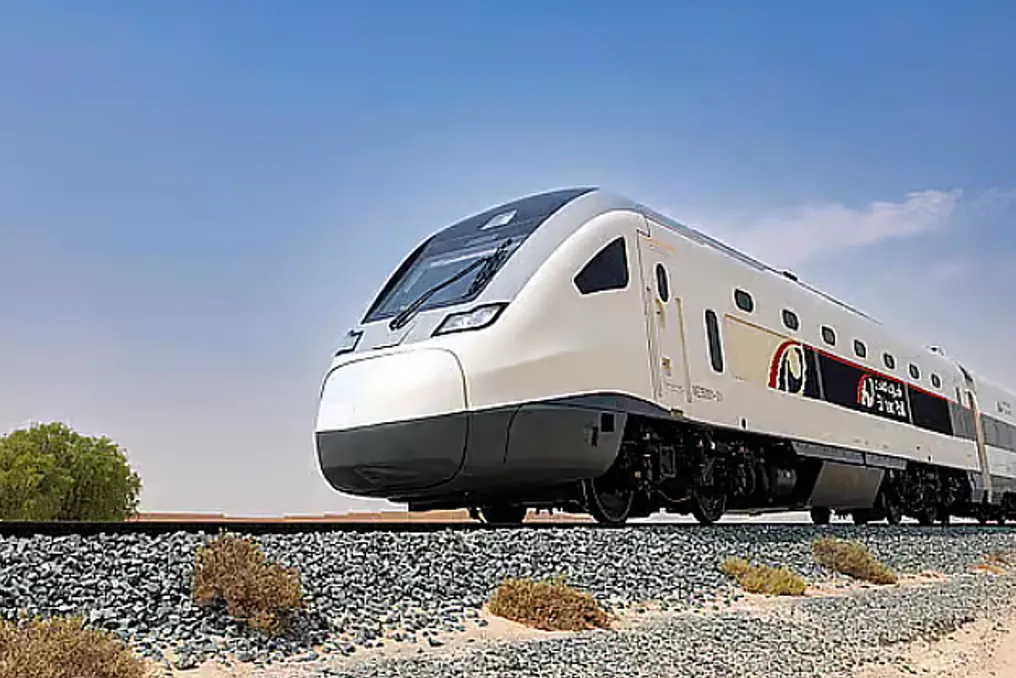
AD Mobility has introduced two new bus routes that provide connectivity between the Mohammed bin Zayed City Train Station and the main bus stations—Main and Al Zahya. These lines operate in both directions.
AD Mobility has introduced two new bus routes that provide connectivity between the Mohammed bin Zayed City Train Station and the main bus stations—Main and Al Zahya. These lines operate in both directions.
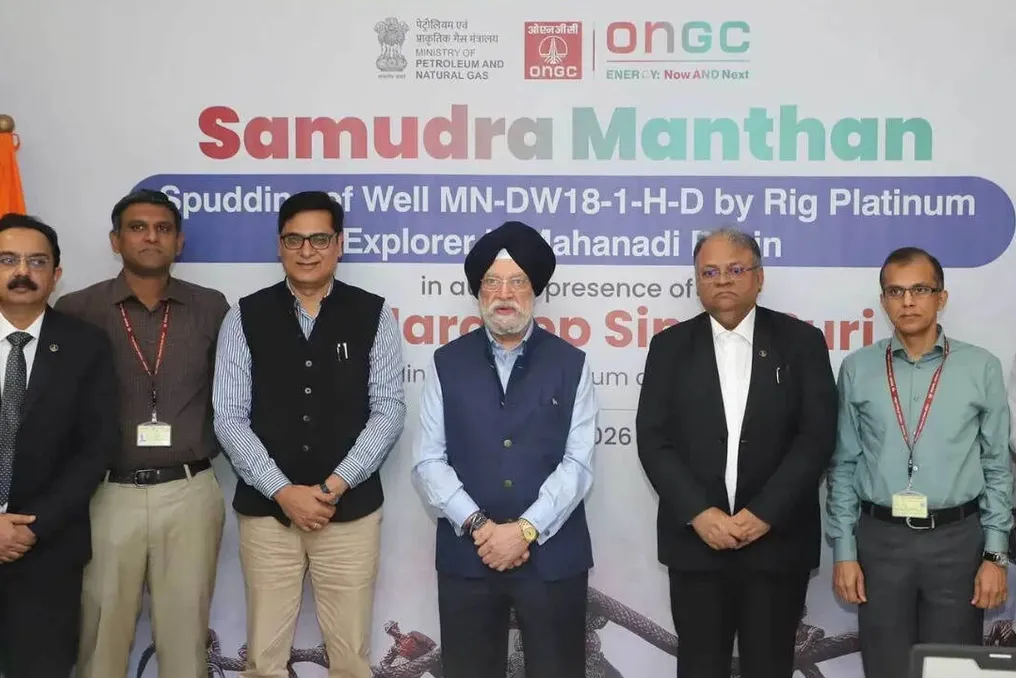
The first deepwater exploratory drilling has commenced in the Mahanadi basin off the coast of India, marking a significant step in assessing the hydrocarbon potential of one of the country's most promising offshore regions. This initiative paves the way for increased domestic production of oil and gas.
The borehole, named MN-DWN18-1-HD, is the first of four planned deepwater exploratory wells in this basin. The drilling program will utilize advanced deepwater technologies to determine the commercial viability of hydrocarbon reserves.
The Minister of Petroleum, Hardeep Singh Puri, who inaugurated the drilling, noted that this activity signifies 'the beginning of a new chapter' in India's efforts to strengthen energy security and reduce dependence on imported crude oil and natural gas. India imports nearly 90% of its crude oil needs and about half of its natural gas requirements, making increased domestic production critical for long-term energy security strategy to lessen vulnerability to global supply disruptions and price fluctuations.
According to the minister, a series of policy reforms over the last decade has transformed the country's exploration and production sector. These reforms include the Hydrocarbon Exploration and Licensing Policy (HELP), the Open Acreage Licensing Programme (OALP), the revenue sharing regime, and the opening up of nearly 99% of previously restricted 'No Access' offshore zones for exploration.
The minister stated that approximately 81% of India's active exploration blocks have been allocated since 2014, reflecting growing investor interest following the reforms. Puri also mentioned that the government has expanded geophysical data generation through initiatives such as the Anveshan Mission, the National Seismic Programme, and the National Data Repository to enhance exploration success in new regions. Under OALP, 172 exploration blocks covering almost 380 thousand square kilometers have been allocated to date, attracting investments exceeding $4.3 billion. He added that during the 2025–26 period, plans include drilling around 674 exploratory wells, discovering five new hydrocarbon fields, and bringing seven fields into production. The government is focused on finding new oil and gas resources as well as improving recovery from existing producing fields by implementing advanced technologies and best global practices.
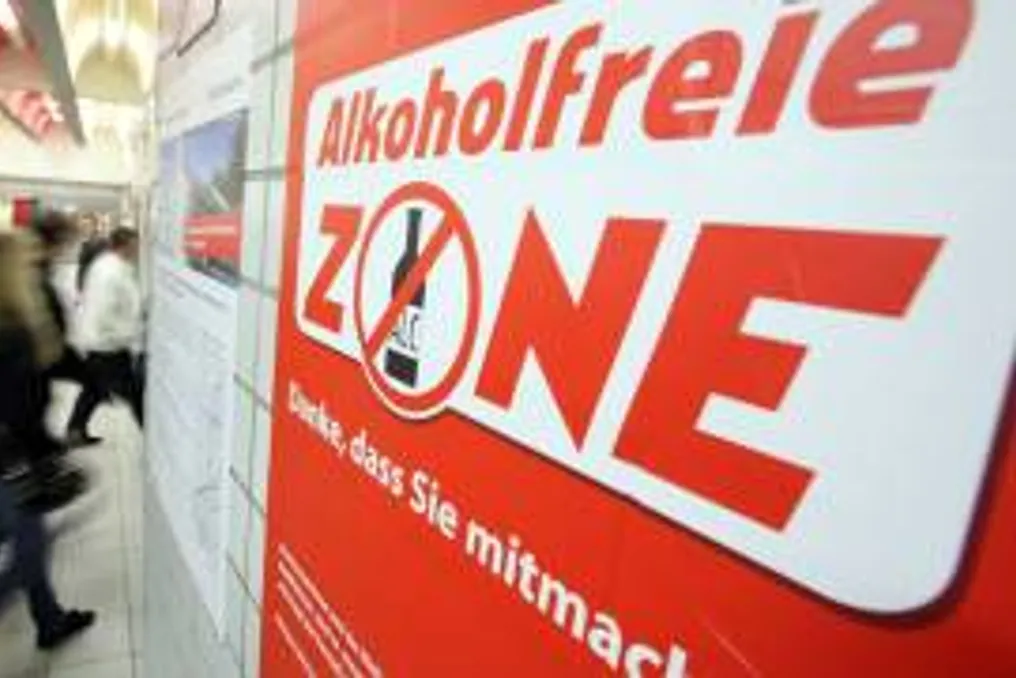
The national railway company of the FRG, Deutsche Bahn, has decided to ban the consumption of alcoholic beverages at over five thousand railway stations across the country.
The new regulation will be introduced in phases and will cover all stations by October 15. Currently, this rule is in effect at 30 stations in cities such as Cologne, Hamburg, and Munich. In September, the ban will also be introduced at Berlin's central station and other major stations, after which the order will begin to apply nationwide.
Company head Evelyn Palla emphasized that alcohol consumption has become a cause for an increase in violence cases in recent years. She cited an example where a drunken passenger attacked a security staff member during a ticket check, leading to the employee falling from the door of a moving train and sustaining serious injuries.
Individuals who violate the new rule will be removed from the station premises. Repeat offenders may receive a permanent ban from visiting these locations. Nevertheless, it is permitted to carry alcoholic beverages in sealed packaging in luggage or shopping bags. Furthermore, the restrictions do not apply to trains.
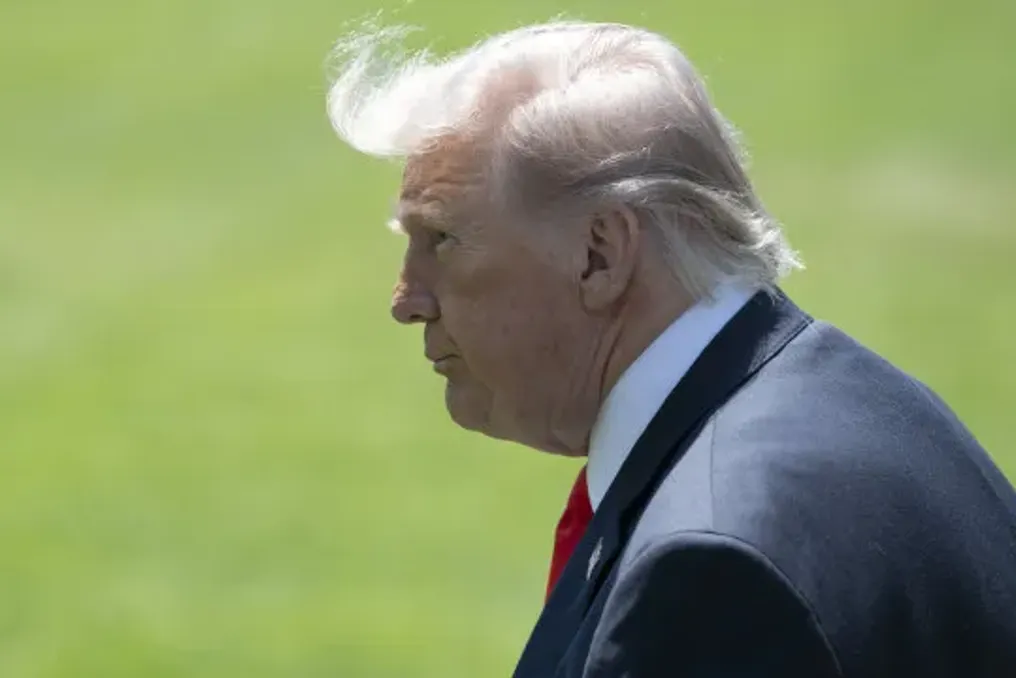
The United States will now receive 50% of the profits from the bridge built with Canada, following modifications to the terms of the original agreement, which Republican Trump criticized as being poorly negotiated by a previous administration. Trump disclosed this change on his social network, Truth Social.
The joint inauguration ceremony for the bridge was canceled after Trump announced a 50% tariff on most Canadian products. The bridge, which connects Detroit, Michigan, to Windsor, Ontario, was scheduled to become operational the following Monday.
Jenna Ghassabeh, spokesperson for Canada's Infrastructure Minister, Gregor Robertson, justified the cancellation, stating that it would be inappropriate to hold a commemorative event between the two countries given the trade threats made by the United States earlier in the week.
Trump commented that Canada had withdrawn the invitation to the United States for the inauguration of the Gordie Howe International Bridge, which he considered understandable given that Canada imposes significant tariffs on the United States. This bridge, spanning 2.4 kilometers, crosses the Detroit River, connecting Detroit to Windsor and honoring the Canadian hockey legend, Gordie Howe, who played 25 seasons for the Detroit Red Wings.
Initially scheduled for June 12, the inauguration was postponed because authorities indicated that the United States and Canada still needed to resolve certain pending issues. Therefore, the opening took place discreetly.
Gregor Robertson, Minister of Housing and Infrastructure, emphasized that the bridge serves as an example of what can be achieved through mutual collaboration. The ceremony, held only for a select group of Canadian guests, takes place amid a period of high tension between the two nations.
After the announcement of new US tariffs on Monday, Prime Minister Mark Carney stated that he would be evaluating all possibilities for responding to the tariff threats. Carney also faced severe criticism from the conservative opposition during the week, especially after the disclosure of the preliminary bridge agreement proposal, which was seen as highly advantageous for the United States.
The terms of this new agreement stipulate that Canada must pay amounts equivalent to 50% of the net revenue generated by the bridge over a fifteen-year period. Mark Carney assured journalists on Thursday that it is a good deal, stressing that the initial 2012 pact, which stipulated no division of toll revenue until Canadian debt was repaid, remains valid.
The financial issue of the bridge had already been a central point of contention between Canada and the US when Donald Trump declared in February that the United States should retain 'at least half' of the profits, even though Canada fully financed the project. Tensions between Washington and Ottawa over tariffs have fluctuated in intensity over the past year and resurfaced last week after Trump threatened to impose more tariffs, accusing Canada of neglecting wildfires.