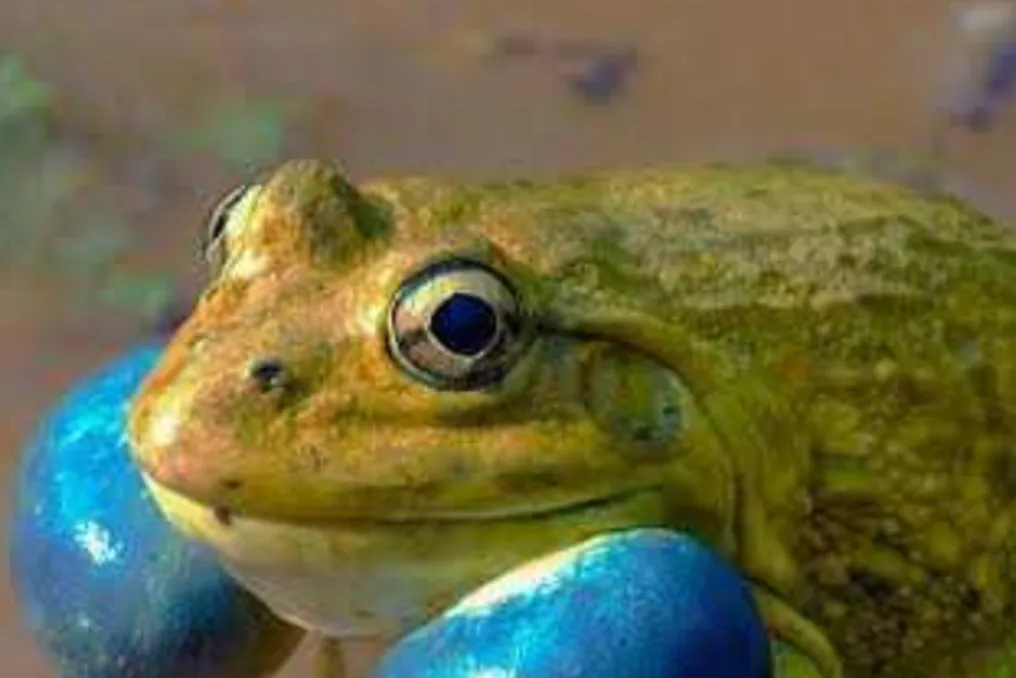
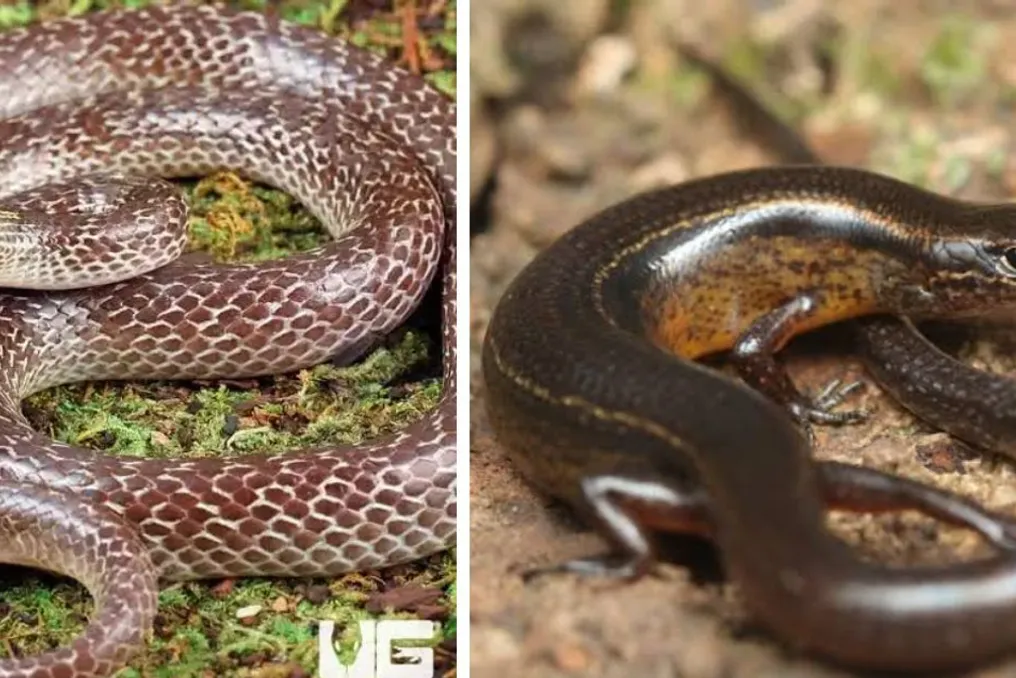
In 2025, scientists across India registered the highest annual rate of animal discovery, documenting 709 new species. These discoveries were made during expeditions into tropical forests, mountain valleys, and island streams.
Record Achievements in Zoology
According to data from the Zoological Survey of India (ZSI), 709 animal species were added to India's registers in 2025, surpassing the previous record of 683 species recorded in 2024. Of these, 483 species are entirely new to science, and another 226 were first registered on Indian territory.
These results were presented in the report 'Animal Discoveries: New Species, New Records' during the celebration of the 111th anniversary of the Zoological Survey of India. Thanks to these new entries, the total number of documented species and subspecies of Indian fauna has reached 105,953, accounting for about 5.3% of the world's registered animal diversity. India continues to be recognized as one of the 17 mega-diverse countries in the world.
Significant Finds and Regions
Among the most notable discoveries was the finding of the long-tailed bat Myotis himalaicus in the state of Uttarakhand. Scientists also described the snake Lycodon irwini, a harmless species found on Great Nicobar Island, named after the late conservationist Steve Irwin. In Arunachal Pradesh, two new species of green pheasant tortoises were identified: Ptyctolaemus namdaphaensis and Ptyctolaemus siangensis.
The highest number of new animals was registered in Kerala, where the Western Ghats reaffirmed their status as one of India's richest biodiversity hotspots. They were followed by the states of West Bengal, Karnataka, and Arunachal Pradesh. These regions, despite decades of research, continue to provide science with previously unknown species, highlighting the constant evolution of biodiversity.
Comments and Botanical Discoveries
The Director of ZSI, Dhriti Banerjee, stated that these discoveries have significance beyond simply adding names to scientific catalogs. She noted that they contribute to a better understanding of biodiversity and serve as an important contribution to global efforts to combat the biodiversity crisis. She also emphasized the need for further investment in scientific research and the potential in biodiversity.
The Botanical Survey of India (BSI) also reported significant findings in 2025, documenting 353 plant taxa, including 221 new species and 132 new registration cases for the country. Arunachal Pradesh led in botanical discoveries, followed by Uttarakhand and Kerala. Among the highlights were a recently identified fern, which is a wild relative of the chestnut apple from the Western Ghats, and a wild edible mushroom.