Despite the South African team heading to Glasgow possessing significant medal potential, several outstanding athletes will remain at home due to the reduction of the Commonwealth Games program and strict selection criteria.
Despite the South African team heading to Glasgow possessing significant medal potential, several outstanding athletes will remain at home due to the reduction of the Commonwealth Games program and strict selection criteria.
The 2026 Commonwealth Games will feature a more compact schedule, including only 10 sports, compared to the 19 disciplines presented in Birmingham four years ago. This reduced program volume, combined with stringent selection requirements and the growing depth of sporting talent in South Africa, has resulted in a smaller squad for the South African team traveling to Glasgow.
Among the notable athletes who could have contended for podium finishes under different circumstances are Bayanda Walaza, Luvu Mangingo, Leenderd Kokemoer, and Antonio Alcano. This quartet includes an Olympic medalist, a world champion, an African record holder, and one of the fastest sprinters of the season.
The 20-year-old sprinter Bayanda Walaza demonstrated immense talent by finishing with a remarkable time of 9.89 seconds in the 100-meter race in Slovakia. This made him the fifth fastest person in the world this season and one of the fastest South Africans in history. The Olympic medalist in the 4x100m relay seemed to be one of the main hopes for the South African team to win medals, but a hamstring injury during the Commonwealth Games qualification period disrupted his plans. After recovery, Walaza quickly reminded the world of his talent, and his absence became one of the biggest 'what ifs' for Glasgow 2026.
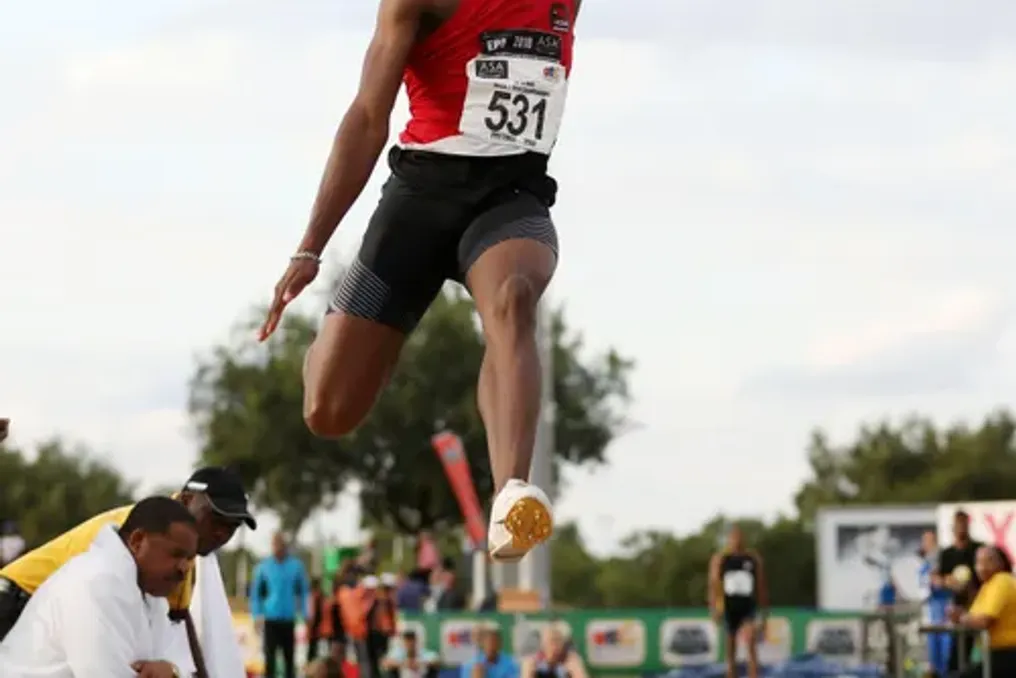
Mangingo has experienced one of the most inspiring comebacks in sports. This athlete, who is a silver medalist from the 2016 Olympics, a 2017 World Champion, and a 2018 Commonwealth Champion, impressively restored his career this season. After returning to the international level at the Indoor World Championships, he once again won the national title of South Africa in the long jump with a distance of 8.04 meters. He also won gold at the African Championships with a jump of 8.15 meters, and later achieved a winning jump of 8.35 meters at the Grand Prix in Jerusalem in June. These results indicate that the 34-year-old athlete is capable of competing with the world's best again, making his absence in Glasgow even more unexpected.
Leenderd Kokemoer, who was part of the South African men's 4x400m team that qualified for the World Championships in Beijing following a strong performance at the World Relays in Gaborone earlier this year, found himself in a difficult situation. The 18-year-old athlete presented himself as one of South Africa's brightest prospects, setting a personal best of 44.94 seconds at the SuperSport Simbin Classic. He became the first South African athlete under 20 to break the 45-second barrier and broke the national junior record. Usually, such a breakthrough season could secure a spot on the Commonwealth team, but Kokemoer had to compete in perhaps the strongest race for South Africa, where he faced Zakithi Nene, Light Pillay, and Mthi Mtimkulu, who ranked highly in the world rankings.
Alcano's absence clearly demonstrates the difficulties created by the reduction of competitions. This African record holder in the 110-meter hurdles and two-time Olympian showed excellent results in 2026. He won the Austrian Open with wind assistance at 13.15, and later recorded a legal time of 13.18 in France—his fastest legal result in nine years. This time places him among the world's top hurdlers this season and significantly exceeds the Commonwealth qualifying standard. Notably, his compatriot Mondray Bernard also ran a time meeting the standard, with a personal best of 13.19 this year, but the South African team has no representative in the men's 110-meter hurdles.
Each absence tells its own story: Walaza was deprived of opportunity due to an untimely injury, Kokemoer due to exceptional internal competition, Mangingo despite an impressive recovery of form, and Alcano despite remaining one of Africa's leading hurdlers. Together, they remind us that while the South African team travels to Glasgow with serious medal ambitions, the depth of the country's sporting talent has reached such a level that even athletes with world-class qualifications are forced to watch the competitions from home.
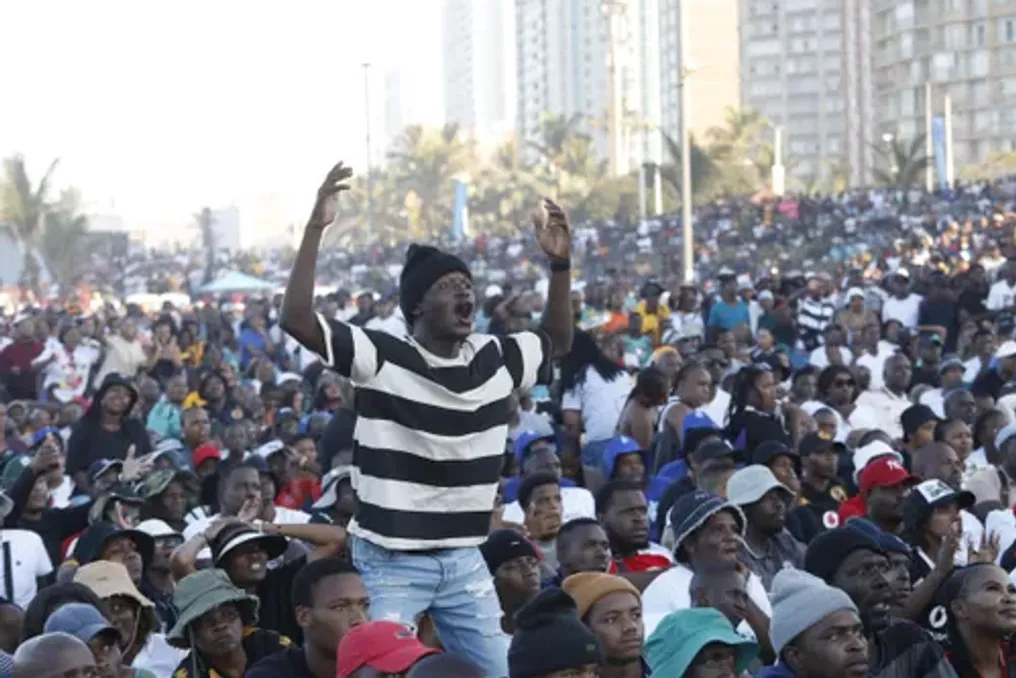
During the 2026 FIFA World Cup, while the South African national team was playing, South Africans turned the tournament into a national celebration. According to new spending data published by Visa, South Africans did not just watch the matches but actively participated in them, visiting restaurants and making every match day a special event.
The report is based on payment data collected between June 11 and July 4 and demonstrates how major sporting events influence purchasing behavior. These findings help businesses understand how such large-scale events change spending patterns and affect sales.
The energy of watching matches surrounded by thousands of fans in fan parks proved extremely popular. Before the decisive match in the 32-match round against Canada, demand for tickets and live broadcasts rose sharply by 76% as viewers sought the atmosphere of a big screen. In the first weekend of the tournament, spending at sports resorts and leisure activities also saw a 72% increase.
Match days contributed to increased demand for good food and drinks. During the Sunday evening Round of 32 match, spending at full-service restaurants increased by 76% compared to a regular Sunday evening. This positive trend continued throughout the final group stage, with restaurant activity noticeably increasing in major cities. Johannesburg showed the largest surge with a 30% increase in table service spending, followed by Pretoria and Durban with a 20% rise, and Cape Town demonstrated an increase of 10%.
Those who preferred to watch at home actively used streaming services. Spending on cable television and streaming platforms grew by 29% as fans subscribed to not miss a second of the action. Furthermore, official sports merchandise saw an influx of buyers: purchases at official sports apparel stores increased by 16% before the last weekend of the group stage, highlighting the dedication of South African fans.
Sandi Saaman, Head of Consulting and Analytics for Sub-Saharan Africa at Visa, noted: 'Global sporting moments like the World Cup create a powerful domino effect beyond the pitch, uniting people and stimulating significant activity for local businesses.'
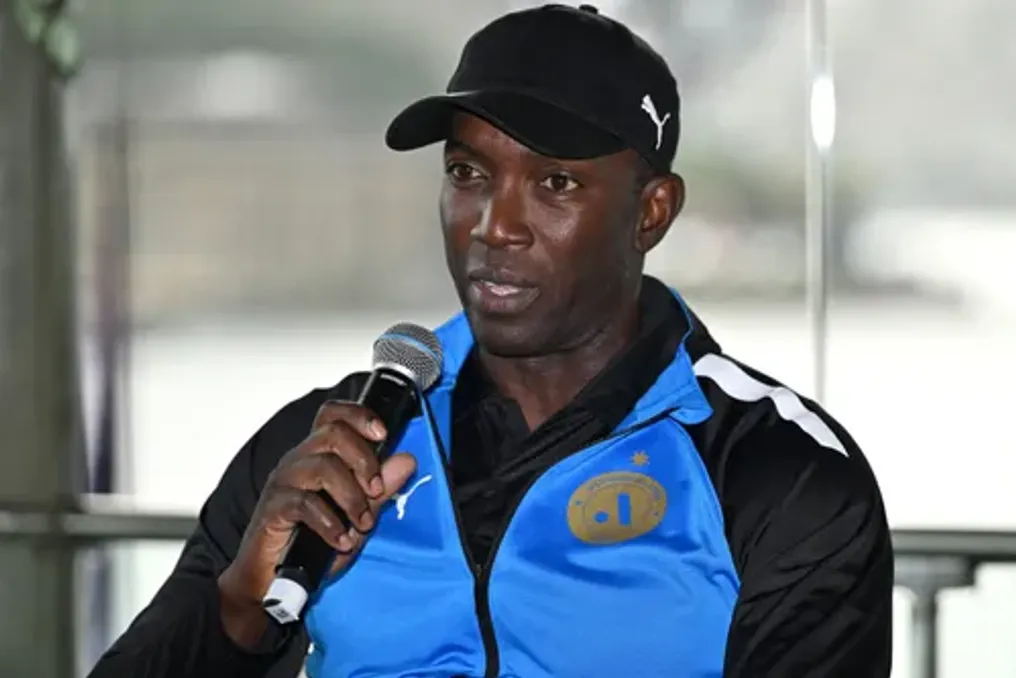
Former Manchester United player Dwight Yorke highly praised South Africa's historic performance in the expanded 48-team FIFA World Cup tournament. However, he expressed concerns regarding FIFA's plans to further increase the number of participants to 64 teams, which, in his opinion, could negatively affect the level of matches.
In Yorke's view, the recently concluded tournament in the expanded format was a great success, and South Africa's history became one of the main events. He noted that teams like South Africa gained the opportunity to advance further in the competition.
Bafana Bafana advanced to the playoffs for the first time in their history. Although they ultimately lost to co-host Canada in the Round of 32, their participation was recognized as a triumph. Yorke added that even under the previous 32-team format, Bafana would have advanced after finishing second in the group.
There was previously a significant debate about the transition from 32 to 48 teams, as it was unknown how this would affect the course of the tournament. Yorke emphasized that the expansion definitely improved the World Cup itself, but the main problem remains the duration and volume of football that must be played in such a large event.
However, a serious discussion arose because FIFA is considering an even larger expansion of the format to 64 teams for the 2030 tournament. Yorke cautioned against this step, questioning whether it would harm the actual quality of the competition. He stated that while it is important to give other countries a chance to see world-class football and experience different cultures, caution must be exercised.
He warned that there should not be an endless increase in the number of participants: 'We went from 32 to 48, and now potentially to 64—next time they will want to invite 100 teams.'
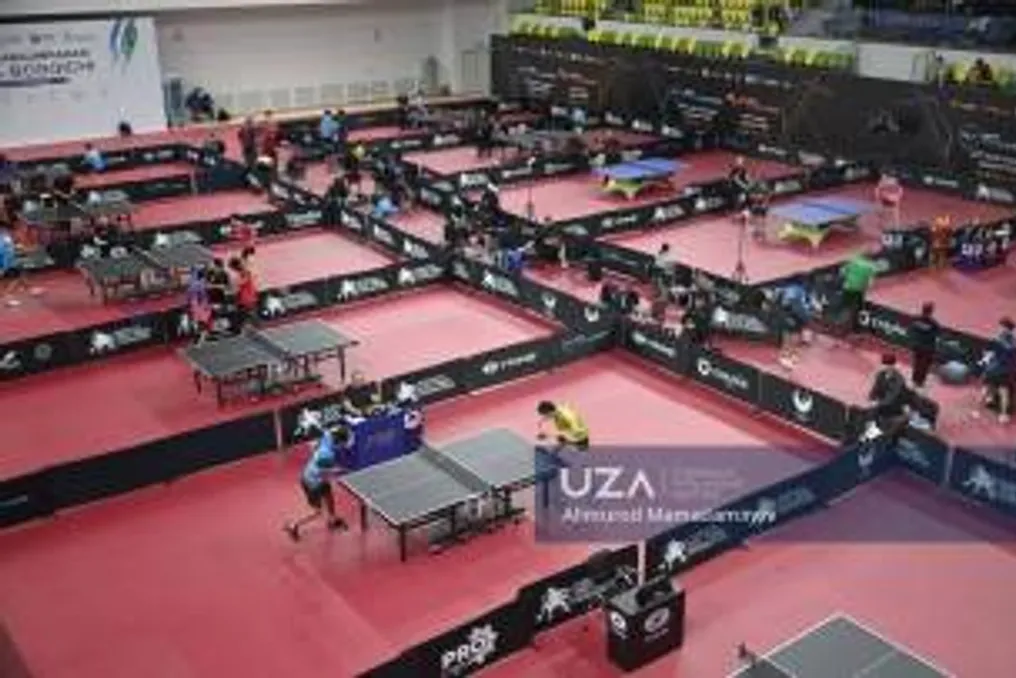
The 'WTT Feeder' table tennis tournament began in the capital of Uzbekistan on July 24. The event is taking place at the 'Olympic Village' and brings together over 160 professional athletes from 18 different nations.
Among the participants are high-class athletes from countries such as Australia, the USA, Germany, France, Japan, Taiwan, and South Korea. Athletes from the Uzbekistan national team are competing for victories and an increase in the international ranking in singles, doubles, and mixed doubles competitions.
Matches will take place throughout today within this prestigious tournament, which is included in the calendar of the International Table Tennis Federation. The 'WTT Feeder' tournament will last until July 28.