The South African Reserve Bank (SARB) is expected to keep interest rates unchanged next week, but economists believe this decision will be one of the most difficult in recent months. The difficulty stems from rising oil prices and renewed conflicts in the Middle East, which complicates the previously improving inflation outlook.
Inflation Assessment and Committee Decision
The Monetary Policy Committee's decision was made on Thursday after the release of June consumer inflation data, which came out the day before. Experts predict that annual inflation will rise slightly from 4.5% in May to between 4.6% and 4.7%, mainly due to rising fuel prices.
Joan El, chief economist at PSG, noted that the June inflation figure itself is unlikely to influence the committee's decision, as SARB has already finalized its own inflation forecasts prior to the official data release. Nevertheless, El emphasized that the resumption of conflict in the Middle East has pushed oil prices to around $85 per barrel, making the upcoming decision 'very delicate,' even if its baseline assumption of unchanged rates holds.
Arguments Against Raising Rates
Despite higher oil prices, rising inflation expectations, and the Reserve Bank's drive to anchor inflation closer to the 3% target, strengthening arguments for another rate hike, El stated that there is little evidence that fuel costs are permeating broader inflation. He also mentioned that wage agreements remained largely unchanged, and the rand exchange rate was relatively stable, with the preemptive 25 basis point hike in May reducing the need for further tightening.
Other economists share a similar view. Annabel Bishop, chief economist at Investec, noted that the escalation in the Middle East has made the July decision less clear than it seemed a week ago. Investec now expects inflation to be at 3.7% compared to a previous forecast of 3.3% for 2026.
Central Bank Stance
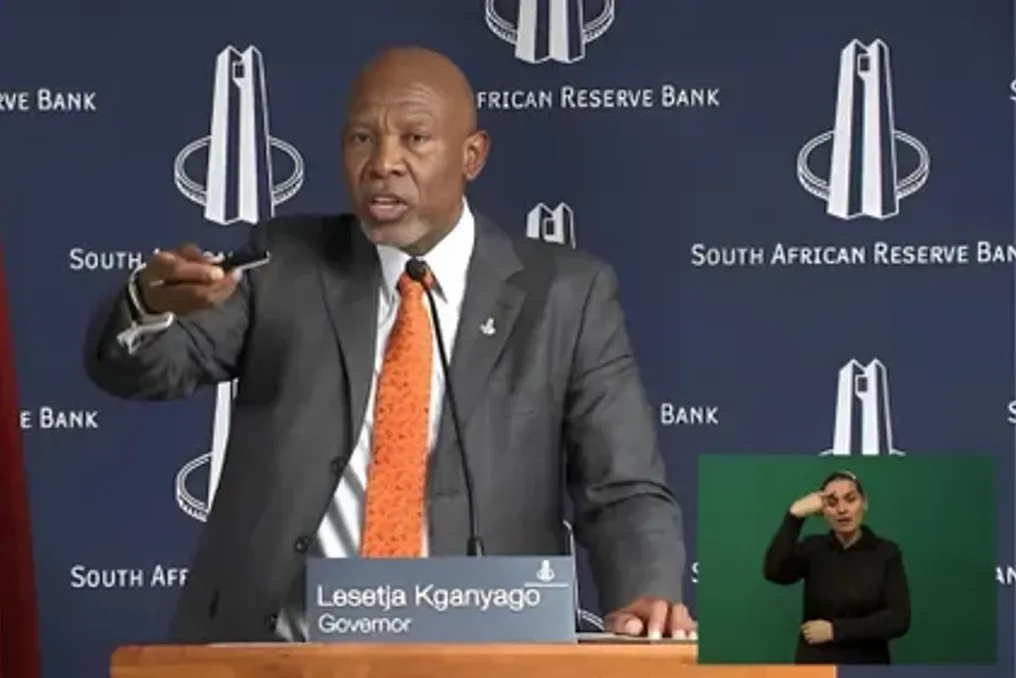
Trading Economics reports that SARB Governor Lesetja Kganyago has maintained a hawkish stance, leaving room for further policy tightening if inflationary pressures persist. The central bank raised rates in May for the first time in three years.
Think Tank Forecasts
Economists from the Bureau for Economic Research expect a 'hawkish hold.' They believe that while geopolitical risks and elevated inflation expectations warrant caution, fundamental inflationary pressure remains moderate, and there is no sufficient basis for an immediate interest rate hike. BER added that although one inflation indicator usually does not influence the Monetary Policy Committee, the meeting next week looks so balanced that a significant unexpected surge or drop in inflation data on Wednesday could prove more influential than usual.
The Reserve Bank raised the repo rate by 25 basis points in May, bringing the prime lending rate to 10.5%. In addition to next week's decision, economists forecast a slowdown in inflation for the remainder of the year as the impact of high fuel prices wanes, provided there is no further escalation of geopolitical tensions.