Donald Trump has once again introduced a tariff bomb, as the U.S. Trade Representative (USTR) imposed a 10% duty on goods imported from 17 countries following an investigation under Section 301. These new tariffs came into effect on July 24th.
Donald Trump has once again introduced a tariff bomb, as the U.S. Trade Representative (USTR) imposed a 10% duty on goods imported from 17 countries following an investigation under Section 301. These new tariffs came into effect on July 24th.
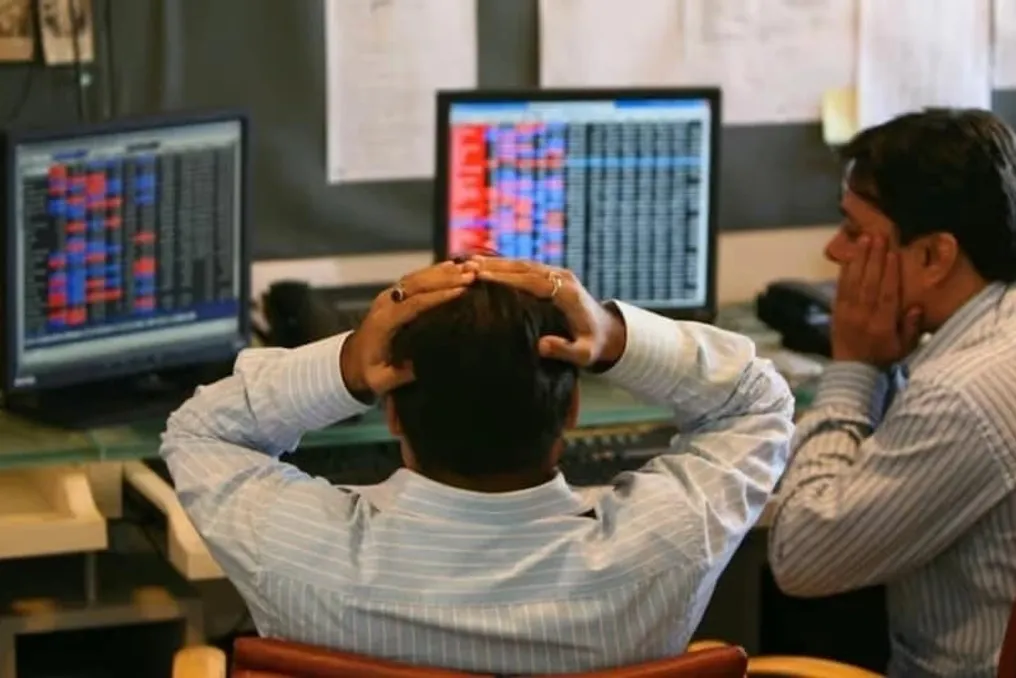
Following the announcement of the tariffs, Asian markets began trading with sharp declines. Both the Japanese Nikkei index and the Korean Kospi index showed collapsing trends. Meanwhile, signs of a serious downturn were also observed in the Indian stock market, with the Gift Nifty, a key indicator for Sensex and Nifty, trading down by about 200 points.
The news of Donald Trump's 10% tariffs had a direct impact on global stock markets. On Friday, as trading began on Asian exchanges, indices in many countries fell sharply. The Japanese Nikkei index dropped by more than 2000 points, reaching 64,334, while the Korean Kospi index declined by approximately 6%, trading at 6665.
Furthermore, other markets were also affected: the Hong Kong Hang Seng index fell by about 2%, reaching 24,825. Declines were also observed in the DAX, CAC, and the British FTSE-100 market, where trading was in negative territory.
Amidst the chaos in Asian stock markets, the Indian stock market, which is experiencing a fourth consecutive day of decline, is also showing signs of significant reduction. The Gift Nifty, considered the main indicator for Sensex and Nifty, traded down by about 200 points.
It should be noted that the Indian stock market closed in the red again on the previous business day. Both indices, Sensex and Nifty, were in negative territory. The Sensex index, comprising 30 stocks from the Bombay Stock Exchange, fell by 363 points, closing at 76,391.39, while the Nifty of the National Stock Exchange decreased by 127 points, closing at 23,869.60.
The Indian stock market reacts sharply to any events or statements originating from the USA. This scenario repeated on Wednesday after Donald Trump once again issued threats, announcing the introduction of a 'tariff bomb.' This time, his target was the pharmaceutical sector, and he stated the possibility of imposing a tariff of up to 200% on generic drugs.
On Tuesday, Donald Trump published a post on the social network Truth Social that caused global concern. He announced that for the next two years, starting August 1st, the US would have a zero tariff rate on imported generic medicines. However, after this period ends, a 100% tariff will be imposed on these drugs for one year, and then 200% after another year.
Trump's announcement regarding tariffs had a direct impact on the Indian market. On Wednesday, as trading began, the BSE Sensex fell from its previous level of 77,470 to 77,384. Within half an hour of trading, the index lost more than 700 points, reaching 76,722.
As for the NSE Nifty, it continued to decline as trading progressed. This index of 50 stocks opened at 24,150, which was below the previous close of 24,187, and then sharply plummeted. By the time of writing, Nifty showed a drop of more than 200 points, trading at 23,973.
Following Trump's threats regarding tariffs, share prices declined across many stocks, especially in pharmaceutical companies. Among major companies listed in the Largecap category on BSE, IndiGo Share (3.50%), SBI Share (1.75%), Axis Bank Share (1.60%), and Infosys Share (1.40%) saw declines.
Furthermore, in the BSE Midcap category, declines were recorded for Voltas Share (2.70%), Presistent Share (2.60%), Hindustan Petroleum Share (2.10%), and Godrej Properties Share (2%). In the Smallcap segment, companies PGEL Share (5.50%) and Brigade Share (4%) were also trading in a declining zone.