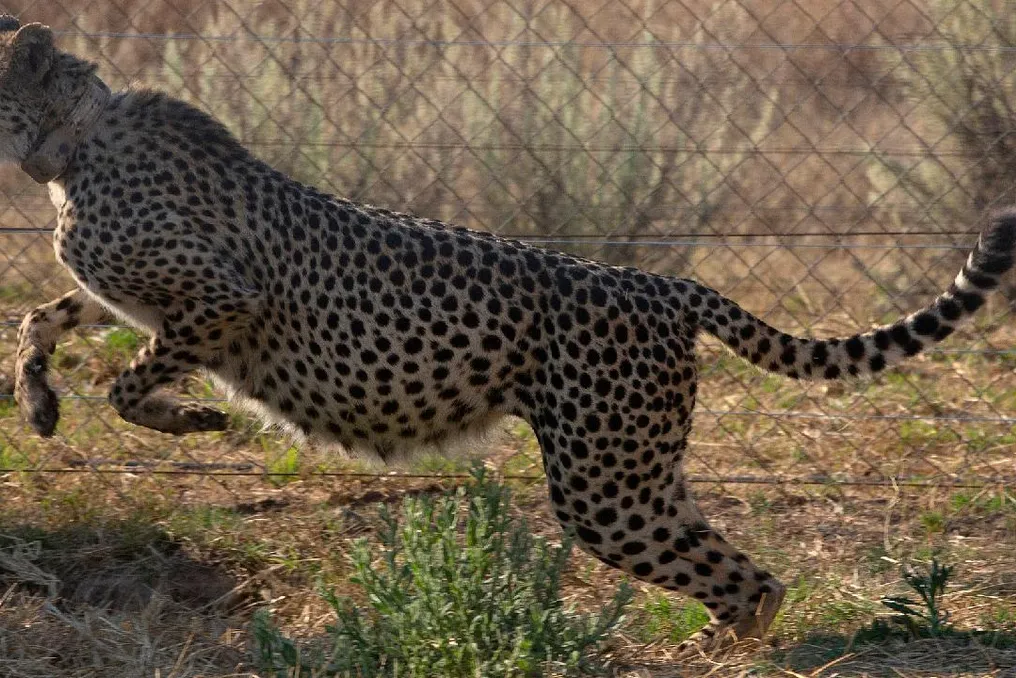
The Endangered Wildlife Trust (EWT) reported that South Africa has transferred six cheetahs into the Great Luangwa ecosystem in Zambia. This species had been absent from the region for nearly three decades.
Reintroduction Program
According to the organization's statement, this translocation marks the initial stage of a long-term reintroduction program. This program is overseen by the Zambian Department of National Parks and Wildlife with the participation of regional and international conservation organizations.
Preparing Animals for Transfer
The six cheetahs were carefully selected from a managed metapopulation of South African cheetahs, taking into account their genetic diversity and demographic characteristics. Before transportation, the animals underwent quarantine, after which they were moved to a remote area of North Luangwa National Park in Zambia.
Adaptation and Monitoring
Upon arrival, the animals will be released into a 2000-hectare predator-protected reserve. There, they can acclimatize, establish territories, and get used to the new environment before being released into the Great Luangwa ecosystem. EWT also specified that another six cheetahs are planned to be transferred later this year.
Each cheetah was fitted with a satellite collar, and trained conservation teams will conduct continuous monitoring to assess their health, movements, and adaptability.
Government Reaction and Species Status
The Ministry of Tourism of Zambia welcomed the arrival of the cheetahs, noting that it is an important milestone in the country's efforts to conserve wildlife and restore ecosystems. The International Union for Conservation of Nature (IUCN) classifies cheetahs as a vulnerable species on its Red List of Threatened Species. Global estimates suggest the mature population numbers around 6,500.
IUCN indicates that over the past 15 years, the population has declined by approximately 37% due to habitat loss, human-wildlife conflict, illegal wildlife trade, and reduced prey base.