For many years, the corporate gift in India represented a predictable physical ritual: it could be boxes of sweets, silver coins, or an inevitable leather diary that often remained in a desk drawer. However, today this tradition is undergoing significant changes thanks to new organizations that are rethinking methods of rewarding employees, partners, and customers.
Shift in Reward Approaches
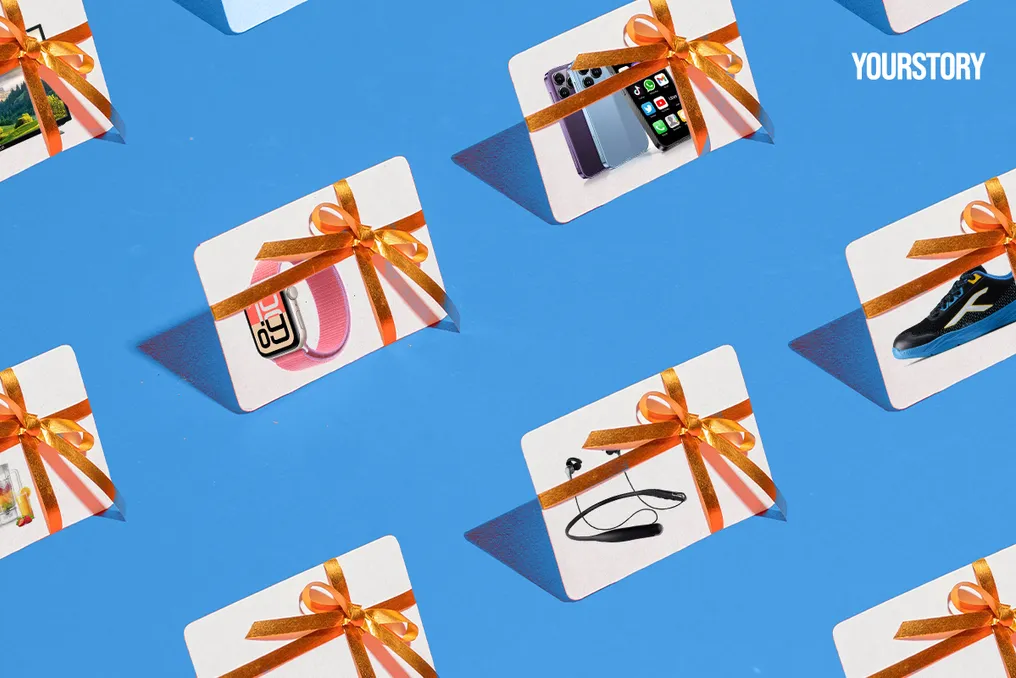
The question has shifted from what exactly to give to how to make the reward tangible, useful, and immediate. Across the industry, the answer is becoming increasingly uniform: promotional items or gift cards supplemented with novelties such as luggage, small home appliances, and accessories. Among the main beneficiaries of this transition have been Flipkart gift cards, and this is related not so much to one specific function as to the fact that gift card tools allow companies to do.
Solving the Utility Problem at Scale
Traditional gifts often lack practical utility; they cease to be a reward and turn into a task that needs to be stored, re-gifted, or thrown away. A gift card transfers the right of choice to the recipient. For example, a sales manager in Nagpur can buy running shoes, an engineer in Bengaluru can upgrade a laptop, and a parent in Guwahati can purchase school supplies. In this case, the reward is the same, but its application differs radically, and all this is possible thanks to the recipient's choice.
This shift is also driven by practical conditions. The hybrid work format has distributed teams across various cities and levels, and the delivery of physical gifts has become a bottleneck. A digital gift card, sent via email or SMS, eliminates this obstacle. Finance departments gain more control than before: defined value, clean accounting, and resolution of audit issues related to cash payments or uncontrolled goods. The catalog is also important. Thanks to Flipkart's assortment, covering fashion, groceries, quick commerce, home goods, electronics, and many other categories, the same card suits both practical and desired needs. Recipients can now use Flipkart gift cards on Flipkart Minutes, a quick commerce platform, allowing the same card to be used for daily necessities delivered quickly.
The Procurement Operational Problem
There is a quieter operational problem that gift cards solve, which surfaces during the quarterly review of each procurement team. Imagine an organization where six departments want to launch six different recognition programs. HR wants to reward long service, marketing wants to reward consumer promotions, sales wants to reward channel incentives, and CSR wants to thank partners with gifts. As a result, the procurement department is forced to work with six suppliers, negotiate six contracts, manage six reconciliation cycles, and track six shipments.
A program using gift cards reduces this to one interaction: one supplier, one contract, one reconciliation stream, and a catalog broad enough for every recipient in any department to receive something relevant. The operational saving is not flashy, but it is the kind of optimization that procurement and finance managers raise without being reminded.
Loyalty as the Next Frontier
The fastest-developing use case is loyalty. Gift cards function excellently as a satisfaction mechanism within a structured program: whether it is a friend referral promotion rewarding the top five participants of the week, a milestone achievement recognition system, a customer retention incentive, or a partnership program designed to keep top performers engaged.
The reason is similar to that for one-off rewards: gift cards are instant, flexible, and give the recipient a choice. For the brand, costs are limited, and reconciliation is transparent. For the recipient, it feels like a real reward, not just a level badge or a balance of points requiring mental calculation. This is one of the biggest growth opportunities in this category and goes far beyond traditional holiday giving.
Technical Implementation Details
The success of a reward program depends on operational details, and this is where the gift card tool has reached the greatest maturity. Flipkart gift cards are designed for implementation in large enterprises. Companies can place bulk orders for any nominal amount—from small rewards for spontaneous recognition to more expensive rewards for achieving major goals—and receive cards instantly. The cards themselves can be personalized with the issuing company's logo, corporate design, and message, allowing one program to speak with the brand's voice, not Flipkart's.
For organizations wishing to offer a choice between different brands, there is also a multi-brand option, allowing recipients to choose from Flipkart's wider ecosystem. For companies managing multiple parallel programs, this is highly significant. The same infrastructure that supports distributing 50 cards to a sales team also supports promoting goods to 50,000 consumers, or a continuous stream of monthly rewards, without needing to renegotiate terms with the procurement department every time. This is what turns gift purchasing into a full-fledged gifting program.
Strategic Role in Distribution
Beyond direct utility, there is a subtler strategic play. For a significant portion of recipients, a corporate gift card serves as a low-barrier way to first experience the Flipkart platform. The user activates the card, places an order, and a new account is activated in the ecosystem. While the issuer sees a successful 'thank you,' the platform records the moment of distribution with high intent. Whether these users become regular buyers depends on pricing and catalog depth, but the hardest barrier—the first transaction—has already been overcome.
Future of the Market
The last decade in India's commerce and payments sector has focused on infrastructure. Now the focus is shifting from how money moves to what is built on top of that infrastructure. Semi-prepaid tools with a semi-closed loop are one of the more sophisticated solutions, turning the payment network into a specialized reward tool without the complexities of a new app or learning curve.
The traditional corporate gift will not disappear overnight. However, the line item for physical logistics shrinks, and the line for digital rewards takes its place.