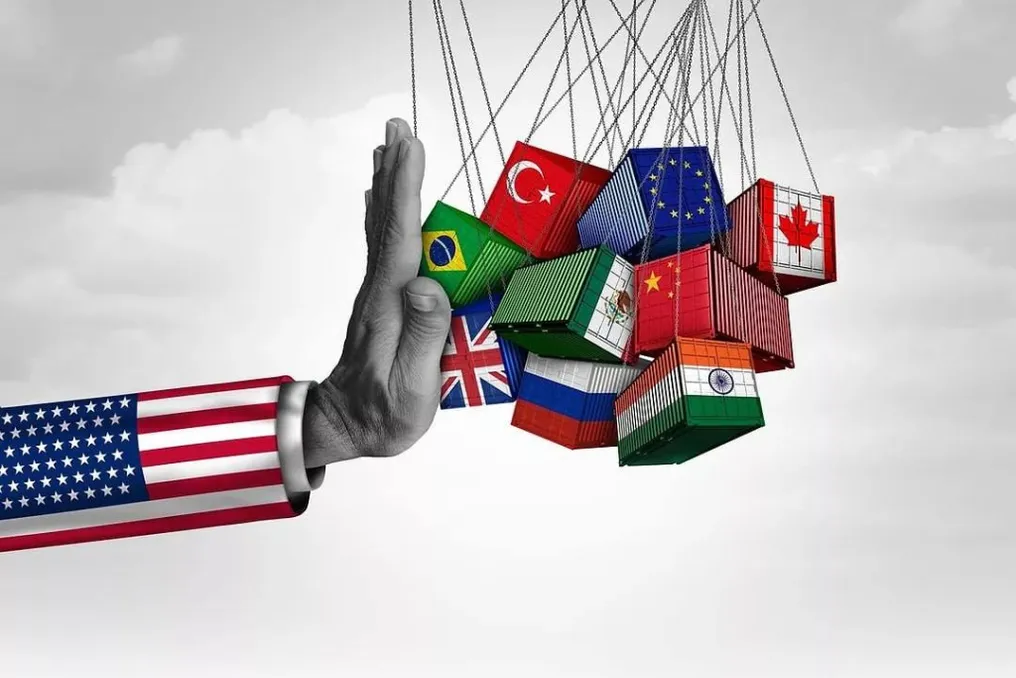
The administration of U.S. President Donald Trump approved the introduction of new import tariffs ranging from 10% to 12.5% on products from over 80 countries. These measures cover goods that constitute 99.4% of all American imports. The new tariffs took effect on Friday, July 24, replacing the previously active temporary 10% levy, which was introduced following a U.S. Supreme Court decision in February to overturn old levies.
Basis for Imposing Tariffs
According to information provided by the administration, this decision was made because, in the view of Washington, foreign states are not working actively enough to prevent the production and export of goods made using forced labor.
Tariff Differences and Exemptions
A base rate of 10% will be applied to countries that have confirmed compliance with the established requirements. Such countries include members of the European Union, Canada, Mexico, India, and the United Kingdom. For the remaining 38 countries, including China, Japan, Australia, and Brazil, a higher tariff of 12.5% has been set. Furthermore, categories of goods such as oil, gas, fertilizers, certain foodstuffs, critical minerals, aviation equipment, and products regulated by the USMCA free trade agreement between the U.S., Mexico, and Canada are exempt from these new tariffs. The measures also do not apply to cargo already subject to industry tariffs on metals and automobiles. A preferential transition period until July 28 is provided for goods currently in transit.
Global Community Reaction
The new tariffs provoked a negative reaction from several international partners. Authorities in Brazil, Australia, Japan, and Norway stated that the imposed tariffs are unjustified. Brazil publicly expressed its intention to take retaliatory measures, while China's Ministry of Foreign Affairs rejected the accusations leveled against it regarding labor rights violations.
Economic and Legal Consequences
Industry lawyers suggest that the new tariffs may become the subject of lawsuits, as there is a risk of charges of exceeding authority by the administration. According to forecasts from the New York Federal Reserve Bank, up to 90% of the costs associated with these tariffs will ultimately fall on American consumers and businesses. Additionally, the U.S. Trade Representative (USTR) continues to investigate sixteen countries regarding the issue of excess production capacity.
Additional U.S. Measures
It should be noted that starting August 19, the U.S. plans to introduce additional 50% tariffs on certain goods from Canada, including lumber, paper, alcoholic beverages, and hockey equipment. This decision by Washington was made in response to restrictions imposed by Canadian provinces on American alcohol.