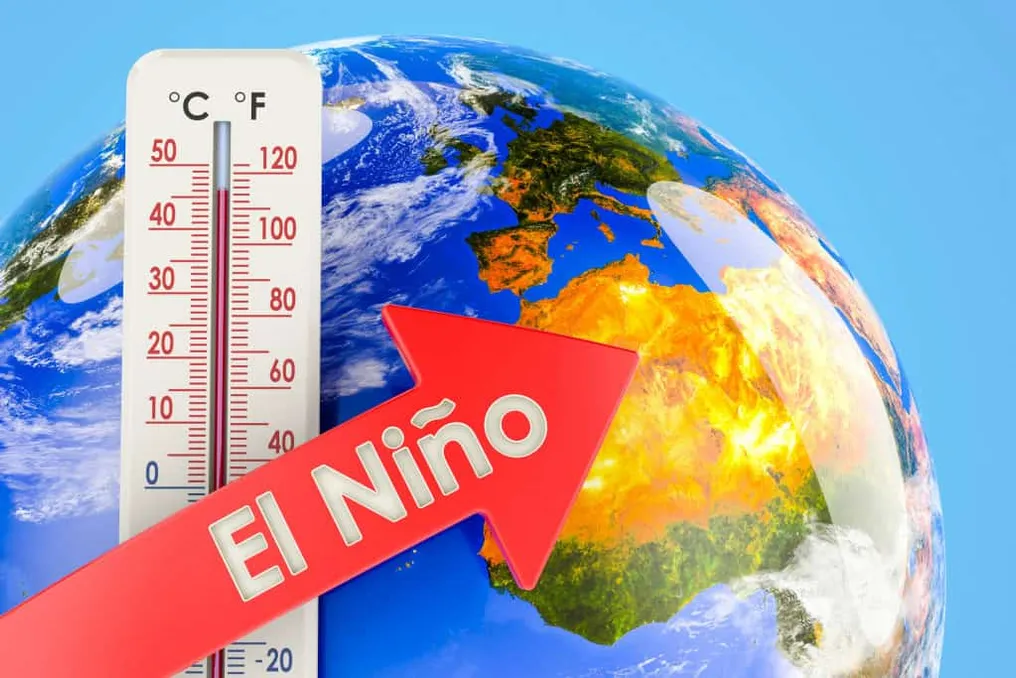
The Ministry of Health issued a warning to states and municipalities regarding the potential rise of arboviruses, such as dengue and chikungunya. This alert stems from the expectation of an intensification of the El Niño climate phenomenon starting in the second half of this year.
Favorable conditions for vectors
According to information from the National Institute of Meteorology (Inmet), El Niño may present with an intensity ranging from moderate to strong. This climatic condition creates an environment conducive to the multiplication of the Aedes aegypti mosquito.
The increase in temperatures, combined with higher rainfall in certain areas, facilitates water accumulation, which generates ideal locations for the reproduction of the vector responsible for the spread of these diseases.
Health projections and recommendations
As part of this notification, the Ministry of Health distributed a technical note, instructing states and municipalities to intensify prevention and control actions. According to estimates from the InfoDengue system, managed by the Oswaldo Cruz Foundation (Fiocruz), Brazil could register approximately 1.7 million cases of dengue already in 2027.
However, the ministry emphasizes that such epidemiological forecasts are subject to changes as new data is integrated into projection models.
Control and surveillance measures
To mitigate the effects of the projected scenario, the Ministry of Health advises state and municipal authorities to intensify vigilance and control efforts. Suggestions include implementing transmission blocks immediately after detecting the first cases, reorganizing tasks performed by endemic disease control agents, and using vector control technologies recommended by the ministry.
Additionally, the department underscores the importance of public collaboration in combating the mosquito, advising residents to eliminate potential breeding sites in their homes and to be aware of the signs and symptoms of the diseases.
Recent arbovirus circulation data
Despite concerns about the future impact of El Niño, this year's records show a decrease in the incidence of arboviruses. As of June 20, 2026, Brazil registered 392.8 thousand cases of dengue, representing a significant drop of 73% compared to the same period last year.
Chikungunya cases also showed a decline during this period, with a reduction of 46%, according to data provided by the Ministry of Health.