The United States announced on Thursday the imposition of new tariffs targeting several countries. The measure was taken due to concerns raised about the existence of forced labor in these nations.
The United States announced on Thursday the imposition of new tariffs targeting several countries. The measure was taken due to concerns raised about the existence of forced labor in these nations.
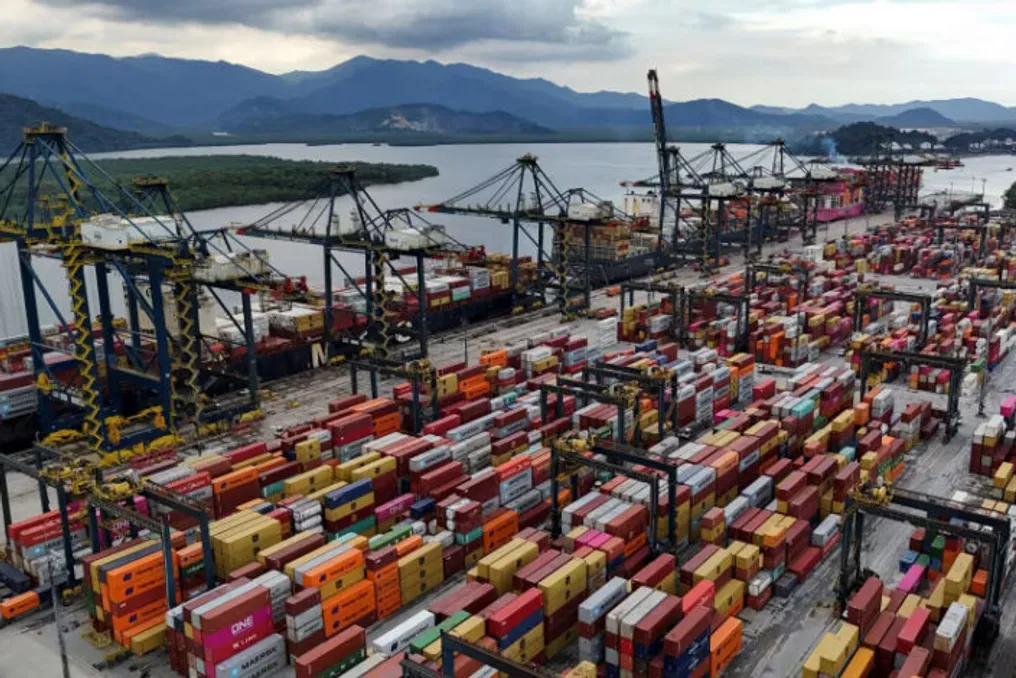
The United States plans to impose a 25% tariff on certain goods from Brazil following the conclusion of a one-year investigation that found the country employed 'unfair' trade methods.
U.S. Trade Representative (USTR) Jameson Green announced these measures late Wednesday. He stated that the investigation revealed Brazil's policies harm American interests in digital trade, unfair preferential tariffs, access to the ethanol market, and other areas.
Secretary of State Marco Rubio stated on social media platform X that 'President Lula and his government have not negotiated with the US in good faith.' He added that Lula's economic policy harms both Americans and Brazilians, as Lula, in his view, prioritizes his own ego over reaching an agreement for the benefit of the Brazilian people, and that the imposed tariffs are the price for this.
The tariffs, first proposed last month, will take effect on July 22. According to the USTR's notice, there are exemptions for certain goods that could disrupt supply chains and are not produced in the US. These goods include some raw materials, pharmaceuticals, and coffee.
Green emphasized that the US remains open to continuing negotiations with Brazil to resolve the issues that have arisen. The initial investigation was launched last July under Section 301 of the Trade Act of 1974, which is intended to address foreign practices affecting U.S. trade and competitiveness.
In the same month, President Donald Trump also announced a 50% tariff on Brazil, which was subsequently canceled. At that time, Trump accused the Brazilian government of human rights violations and threatened economic measures if Brazil did not drop the lawsuit against former right-wing president Jair Bolsonaro. Section 301 is most often applied to countries with a significant trade surplus with the US, such as China, which exported $202.1 billion more in goods than it imported from the US last year. Last year, the US trade surplus with Brazil was $14.4 billion, an increase of 112.8 percent compared to the previous year.