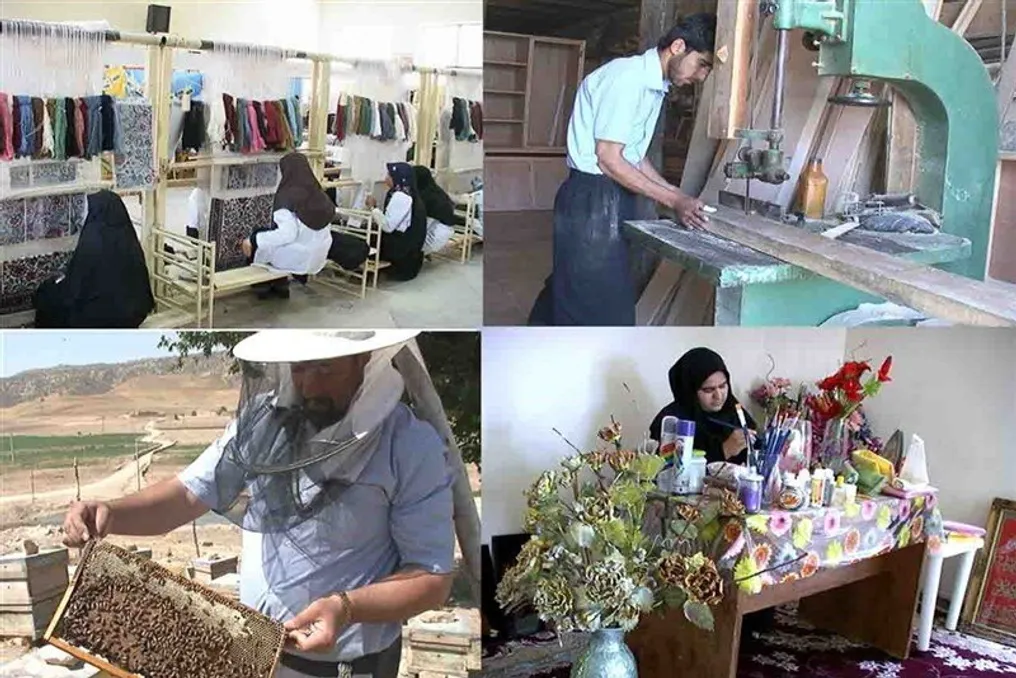
The Minister of Science, Research and Technology, Hossein Simai-Sarraf, stated that the planned opening of seven technology transfer centers will help accelerate the development of rural areas.
Interdepartmental Cooperation
The Ministry of Science, in collaboration with the Vice President's Office for Rural Development, signed a memorandum of understanding on Monday, as reported by the ISNA agency. This initiative aims to strengthen human resources and implement technologies in rural areas.
Infrastructure Achievements
Since the Islamic Revolution of 1979, the country has made significant progress in developing physical infrastructure in rural areas. Simai-Sarraf emphasized that villages with more than 20 households have access to services such as electricity, clean water, gas, telephone, and the internet at a rate of 99 percent.
Socio-Economic Impact
According to the minister, technology transfer to villages will not only have a social and economic impact but also create a foundation for sustainable employment, prevent migration from rural to urban areas, and potentially reverse this trend.
Existing Base and Support
The Ministry of Science is committed to utilizing all its capabilities to support this program. Currently, there are about 60 science and technology parks, 16,000 innovation centers, and 2,000 other facilities involved in rural development across the country. These enterprises operate in various fields, including energy, water resources, modern agriculture, processing industry, and crafts, which can play a significant role in rural development, an official representative added.
Vision for Community Development
In 2025, Zahra Behrouz-Azar, the Vice President for Women and Family Affairs, stated that empowering rural communities is a necessary condition for the country's economic and cultural growth. She explained the difference between the concept of 'village' and 'local community.' According to her, economic activity in rural areas includes agriculture, animal husbandry, crafts, and natural resource utilization. However, the concept of local community is broader, encompassing various groups of people not only in rural areas but also in urban neighborhoods, nomadic zones, and even digital communities that rely on social interaction, traditions, beliefs, and shared human connections.
Rural Priorities
Behrouz-Azar noted that basic needs in villages are the development of agricultural infrastructure, animal husbandry, healthcare, and education, whereas for local communities, aspects such as cultural preservation, promotion of social ties, and strengthening support networks are more important. Given that only 30 percent of the country's population lives in villages, she warned that desertification of rural areas would lead to the loss of a significant part of cultural heritage, art, language, and way of life.
Education and Quality of Life Improvement
She called on universities and educational centers to apply their knowledge and modern technologies to solve current problems in rural communities, increase their productivity, and improve the quality of life for farmers, especially women farmers, as they play a key role in supporting rural communities.
Financing and Global Context
World Rural Development Day is observed on July 6th. This year, it was held under the theme of 'Financing the First Mile of Food Systems.' Rural communities are the 'first mile' of these systems—the places where food is grown, livelihoods are supported, and sustainability begins. They are home to nearly 80 percent of the world's poorest population and are on the front lines of food insecurity, climate shocks, and migration pressure. Nevertheless, they possess enormous potential for strengthening food security, creating economic opportunities, and ensuring long-term stability.
Investing in the rural population is investing in the foundations of more resilient societies. When rural areas have the necessary resources, communities are better equipped to withstand shocks, young people have more reasons to build their future at home, and producers can contribute more significantly to local, national, and global markets. Data shows that increasing investment in rural areas equivalent to one percent of the country's gross domestic product can reduce international emigration by almost one percentage point (IFAD, 2026).
Unlocking this potential requires practical and sustainable actions: strengthening value chains, broader access to financing, greater support for cooperatives and small and medium-sized enterprises in rural areas, and improving links between producers and markets. Such investments can help transform vulnerability into opportunity and ensure that rural communities are recognized not only for the challenges they face but also for the vital role they play in shaping a safer and more sustainable future.