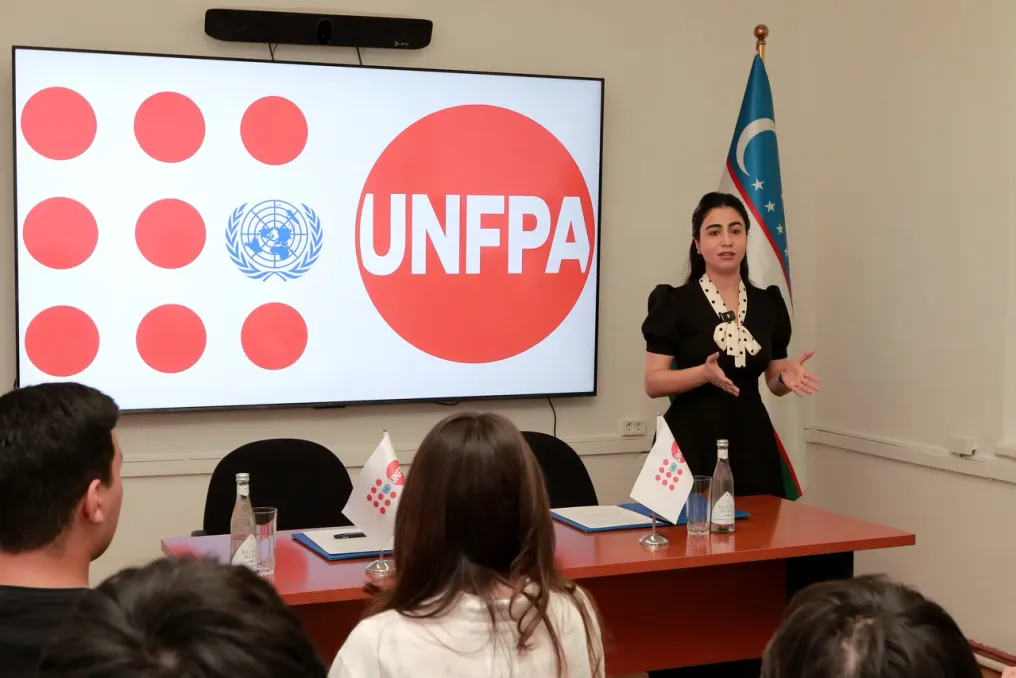
The United Nations Population Fund (UNFPA) has appointed actress, youth leader, and influencer Nigina Dzhabarova as the champion of its global Bodyright campaign in Uzbekistan.
Significance of the Appointment
This appointment marks a new stage in the country's efforts to promote a safer digital environment and strengthen the rights of women and girls online. Uzbekistan has become the first country in Central Asia to join UNFPA's global Bodyright movement.
The goal of this movement is to raise awareness about gender-based violence perpetrated using technology, as well as to promote the creation of a safer, more respectful, and inclusive digital environment.
Strategy and Goals of the Initiative
According to UNFPA, this initiative paves the way for long-term cooperation with public figures, influencers, artists, and other opinion leaders. This collaboration aims to raise awareness about technology-mediated gender-based violence, involve youth in open dialogue, and help shape a digital space where women and girls can participate safely, freely, and with dignity.
UNFPA notes that digital technologies have provided unprecedented opportunities for communication, education, work, creativity, and civic participation. However, digital platforms are increasingly used for harassment, threats, cyberstalking, hate speech, doxing, and the distribution or manipulation of intimate images without consent, as well as other forms of technology-mediated gender-based violence.
Consequences of Digital Violence
The organization emphasizes that such forms of violence can have serious psychological, social, physical, and economic consequences, leading to the silencing of women and girls, restricting their participation in public life, and preventing them from using digital platforms safely and freely.
Statements from Campaign Participants
Dr. Nigina Abazade, UNFPA representative in Uzbekistan and Country Director for Tajikistan, stated that the internet should be a safe space for every woman and every girl. She added that appointing Nigina Dzhabarova as the Bodyright campaign champion strengthens the voice of one of the most important initiatives for protecting women and girls in the digital environment, and also marks the beginning of broader engagement with public figures, influencers, artists, and actors to convey this important message to a wider audience.
Nigina Dzhabarova expressed her gratitude for the opportunity to join UNFPA and use her voice and influence to support women and girls, especially youth who spend a significant part of their lives online. She expressed hope for creating a digital culture based on dignity, empathy, and equality, where safety and respect exist everywhere—both offline and online.
UNFPA Work and Legislation
UNFPA collaborates closely with government agencies, legal experts, civil society organizations, and youth to prevent and address issues of gender-based violence, including violence committed or amplified through digital technologies. In March 2026, UNFPA published a Review of the Legislation of the Republic of Uzbekistan on Technology-Mediated Gender-Based Violence, presenting an analysis of national legislation and law enforcement practices. This document serves as a practical resource for legislators, lawyers, government bodies, and civil society organizations working to enhance the protection of women's and girls' rights.
Furthermore, UNFPA has developed educational materials explaining various types of online violence, its consequences, and practical steps people can take for self-protection in the digital space. Through awareness campaigns, social media content, expert discussions, and youth engagement, the organization continues to promote responsible digital behavior and raise awareness about technology-mediated gender-based violence.
Role of Youth and the Bodyright Campaign
UNFPA believes that youth are not only users but also creators, innovators, and drivers of positive change in the field of technology. By recognizing harmful online behavior, supporting victims of digital violence, and promoting a culture of respect, consent, and shared responsibility, they can make a significant contribution to creating a safer and more inclusive digital environment.
Bodyright is a global campaign and public movement by UNFPA aimed at eradicating technology-mediated gender-based violence. Launched in 2021, the campaign introduced the symbol ⓑ, which UNFPA describes as the world's first copyright symbol for the human body. This symbol underscores every person's right to protection against digital violence and unauthorized use of their body images online.
The symbol ⓑ can be added to photographs and other digital content featuring a person to confirm that human bodies, personal images, personal data, dignity, and rights deserve the same protection in the digital space as copyrighted works and intellectual property. The campaign calls on technology companies, digital platform developers, government officials, institutions, organizations, communities, and individuals to strengthen online protection and take practical measures to prevent digital violence.
According to UNFPA, Bodyright is based on the principle that women and girls have an inalienable right to control their bodies and images. Any dissemination, alteration, or use of such images without their consent may violate human rights, the right to privacy, human dignity, and bodily autonomy.