Spotify offers two distinct ways to add music to the platform: by importing MP3 files saved on the device for offline listening or by publishing original works to the official catalog as an artist.
Importing Personal Files
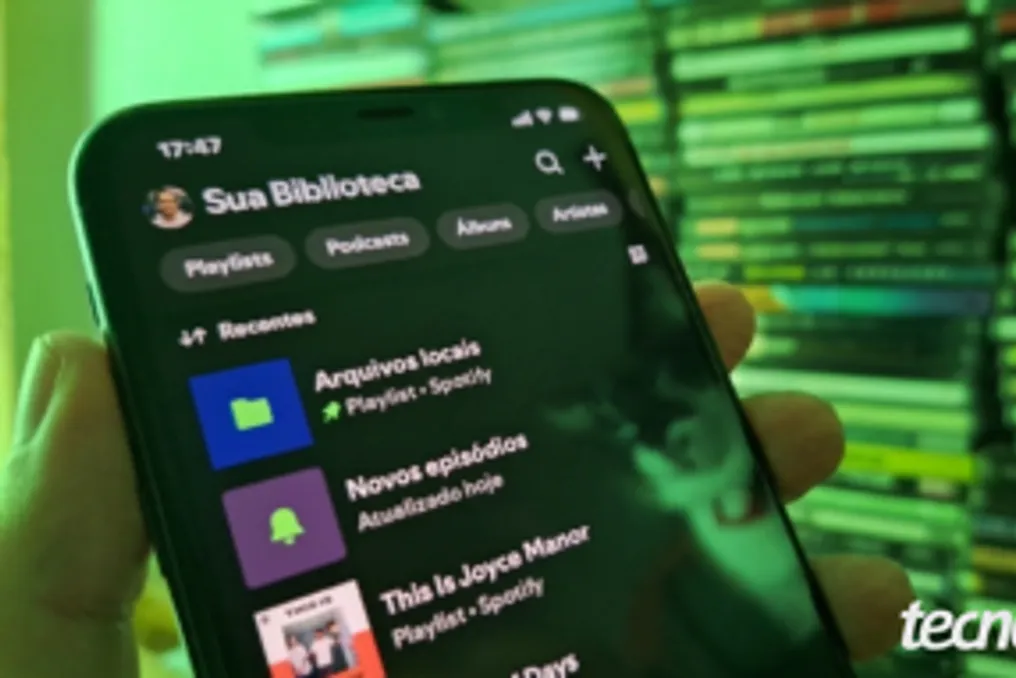
For users who wish to listen to MP3 tracks stored on their smartphone without consuming network data, Spotify allows the import of local files. On both Android and iPhone, it is necessary to activate the feature called 'Local Files' in the app settings so that it can integrate with media stored on the device.
Operating System Import Procedures
On Android: The process begins by opening Spotify, accessing the settings menu (by clicking the profile picture), selecting 'Settings and privacy,' and then entering 'Apps and devices.' It is necessary to activate the toggle switch next to 'Local audio files.' After this, the user must go to 'Your library' and select the 'Local Files' folder to view and add the MP3 tracks to Spotify.
On iPhone: The import follows specific steps within the iOS system. After activating the 'Local audio files' option in Spotify settings, the user must use the iOS 'Files' manager. They should navigate to 'On My iPhone,' locate the 'Downloads' folder, select the desired songs, return to the 'On My iPhone' folder, and finally move these files to the designated 'Spotify' folder. Then, when accessing the Spotify library, the tracks will be visible in the 'Local Files' folder.
Professional Music Release
Artists looking to make their compositions available in the official Spotify catalog must use a digital distributor. This company acts as an official intermediary, ensuring that the tracks are sent correctly and that the reproduction copyrights are properly transferred.
Steps for Artistic Publication
The process of placing music on Spotify involves several crucial steps. First, it is essential to choose a digital distributor. Next, the audio must be prepared in a mastered format, exported in high definition and without compression to maintain sound quality. The release metadata, such as composition data and release date, must be organized correctly to ensure cataloging and royalty payments.
Furthermore, it is necessary to produce a square (1:1) and high-resolution cover art. The material must be submitted to the distributor's dashboard in advance for scheduling. Finally, the artist must claim their profile on Spotify for Artists to customize the brand and submit tracks for playlist curation before the release.
Functions of Auxiliary Platforms
The distributor serves as the link between the artist and Spotify, handling the submission of audio and metadata, as well as managing copyrights and collecting royalties. Spotify for Artists functions as the musician's management dashboard, allowing for visual identity customization and indicating tracks for curation, in addition to providing audience metrics and promotion tools.
Clarifications on Local Files
Several factors can prevent local files from appearing on the phone. Among them are the option not being activated in the settings, the tracks being outside the correct folder (on iPhone, it must be in the app's folder), or the file having an incompatible format or DRM protection. It can also occur if the playlist does not have downloads enabled or if there is a corrupted cache or outdated application. It is possible to synchronize playlists with local files between mobile and PC, provided both use the same account, but playback depends on the existence of the file on both devices, since the service does not store them in the cloud.
It is important to note that, once linked, the files should not be deleted from the device, as Spotify only creates a reading shortcut. If the original media is deleted, the application loses the reference and can no longer access the local files. This feature does not upload to cloud servers.
Questions about Music Distribution
It is not possible to publish music directly on Spotify without the help of a digital distributor, as the platform does not accept direct submissions from users. Even for independent artists, this service is the only way to put music on Spotify. Trying to bypass this flow, for example, by using podcast formats, violates the platform's rules.
Although Spotify does not charge fees to host tracks, the costs are determined by the contracted distributor. There are free services that charge a percentage of future royalties, while others charge fixed annual fees or per-release fees. Regarding payment, Spotify does not have a fixed rate per play, but data indicates a global average between US$ 0.003 and US$ 0.005 per play, which represents an estimated gain of US$ 3 to US$ 5 every thousand plays, a value that varies according to the listener's country and account model.