The decision to keep interest rates unchanged was met with relief by many homeowners and potential homebuyers. Rates remain steady amid global uncertainty and ongoing inflationary risks shaping South Africa's economic outlook.
Central Bank's Stance
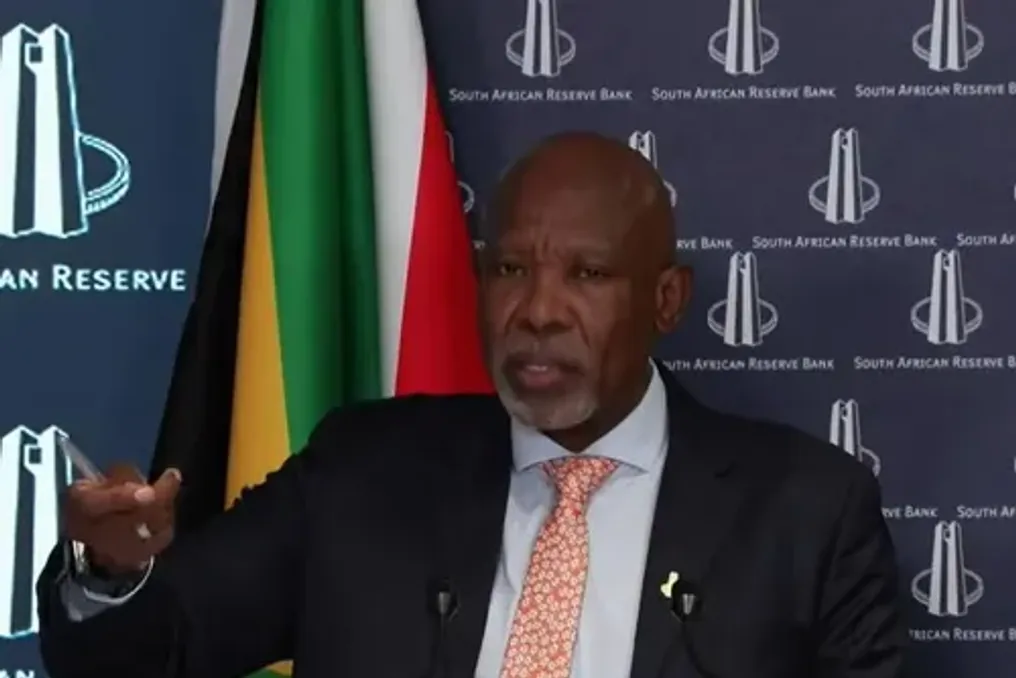
Lesetja Kganyago, Governor of the South African Reserve Bank (SARB), who presented the Monetary Policy Committee's statement on Thursday, July 23rd, announced that the committee decided to maintain the policy rate at 7% and the prime lending rate at 10.5%.
Kganyago noted that four committee members voted for maintaining the rate, while two supported an increase of 25 basis points. The committee agreed that prospects remain uncertain and believes that the current policy of moderately restrictive rates is appropriate for now.
Impact of the Decision on the Market
According to Adrian Goslett, CEO and Regional Director of REMAX Southern Africa, the Reserve Bank's decision to freeze interest rates provides short-term relief to homeowners and future buyers. He emphasized that while rate stability will not reduce monthly mortgage payments, it offers households greater confidence during a period of careful financial management.
This decision comes against a backdrop of persistent global instability caused by geopolitical tensions affecting the world economy. Although these factors contribute to inflationary risks, SARB appears to have concluded that current conditions do not yet warrant further tightening of monetary policy.
Goslett explained that the choice to maintain rates reflects the Reserve Bank's balanced approach. However, SARB acknowledged the importance of avoiding unnecessary additional pressure on consumers and businesses unless circumstances demand it.
Advice for Buyers and Owners
For prospective buyers, this means that borrowing costs remain the same, allowing them to continue planning with greater certainty. However, Goslett cautions buyers against assuming that rates will remain at the current level indefinitely. He advises everyone planning a property purchase to buy within their financial means and leave a sufficient buffer in the budget for unforeseen expenses or future interest rate changes.
Existing homeowners are advised to use this period of stability to strengthen their financial position, if their budget allows. Goslett suggested considering making small extra payments on the mortgage monthly, as even small additional payments can significantly impact the situation and create a buffer against future increases in borrowing costs.
According to Goslett, interest rate cycles are temporary, but property ownership is a long-term investment. Buyers who acquire housing within their means and focus on long-term financial goals are generally well-positioned to benefit over time.
Risk Assessment and Forecasts
Stefan Potgiter, CEO of BetterHome Group Mortgage Origination and BetterBond, noted that the decision to maintain the repo rate reflects the Reserve Bank's cautious approach to inflation, despite the Rand's stable exchange rate and lower oil prices compared to May. He believes that keeping rates steady gives the Monetary Policy Committee more time to assess how risks associated with escalating Middle East tensions will affect the local economy.
For homeowners, the unchanged prime lending rate guarantees stable monthly payments, which is a positive point amidst rising electricity and living costs. Potgiter also reiterated the advice to make extra payments to reduce long-term interest expenses.
Tyson Properties believes that today's decision to maintain the repo rate at 7% is good news for both buyers and sellers of residential property, despite growing tension in the Middle East and the high probability of further inflation.
Property Market Outlook
Daniela Du Plessis from Tyson Properties called the Monetary Policy Committee's announcement a favorable pause for property owners. She forecasts a resumption of the rate-cutting cycle and even a return to previous levels by the end of 2025, once global tensions ease.
Du Plessis acknowledged that since inflation has exceeded the new target of 3% and is expected to continue rising after July, another 0.25% rate hike remains possible. She warned that a rate increase would raise borrowing costs, reduce affordability for buyers, and increase default risks in the housing market.
She added that low and mid-range property segments will feel the impact of a future rate hike most strongly, and many buyers may adjust their expectations or opt for renting instead of buying during this transition period. Furthermore, landlords become more vulnerable to non-payment as tenants face the impact of higher inflation on disposable income.
According to the Betterbond Index, although the May rate hike led to a slight decrease in loan applications in the second quarter of 2026, they are still 5.7% higher than two years ago. Average housing prices continued to rise in both nominal and real terms in the second quarter, with buyers recording a nominal increase of 8.4%, significantly outpacing inflation and likely to persist amid optimism about a potential ceasefire in the Middle East.