As discussions on the issue of plastic are held in a closed format, observers are voicing serious concerns regarding the transparency of the process. Previously, attempts to develop a global treaty on plastic pollution stalled because 183 states could not agree on reducing plastic production and other aspects.
Challenges in Process Participation
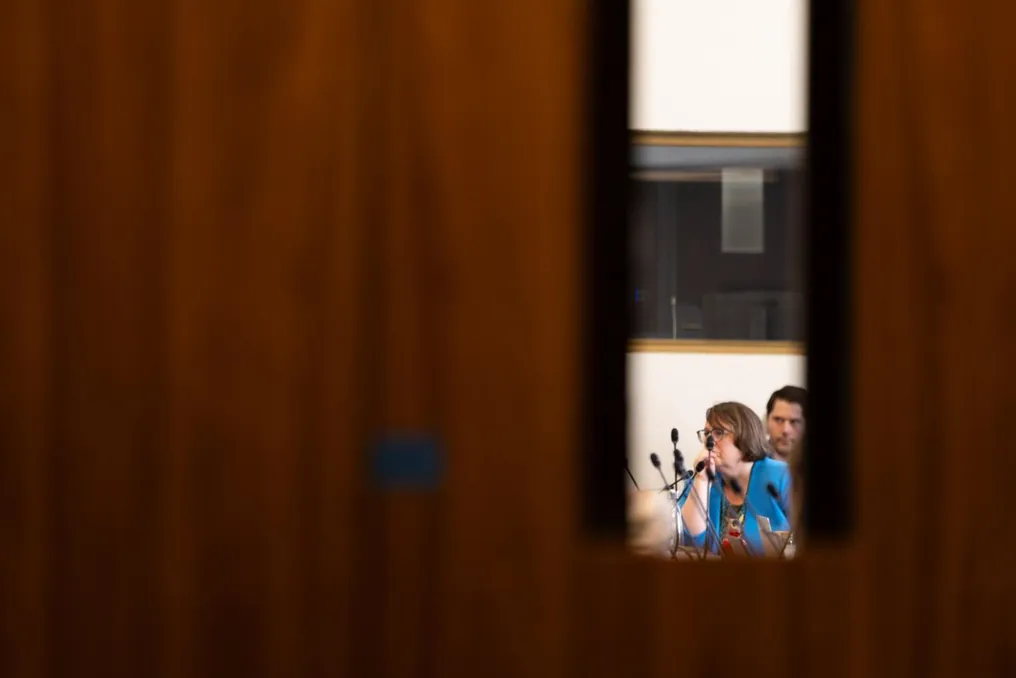
Since the start of work on the treaty in March 2022, the process, which is overseen by the United Nations, has faced difficulties related to access and participation. Civil society groups with observer status at the UN complain about limited access to meeting venues and exclusion from key negotiation spaces, as well as the shift towards informal meetings taking place on the periphery of the process.
Ana Rocha, director of the global plastics program at GAIA, notes that 'the sequence of informal venues is gradually dominating the negotiations, excluding observers from the room.' Furthermore, NGOs point out that wealthier, oil-producing countries that manufacture plastic from fossil fuels may attract large delegations, thereby exerting more influence than less affluent countries that suffer more from plastic pollution.
Conflict of Interest and New Leaders
These disagreements reflect a central conflict between the majority of countries calling themselves 'ambitious' and striving to control plastic production, and a small group of oil-producing states opposing any such measures. The Intergovernmental Negotiating Committee (INC), comprising 183 countries, faced a breakdown in finding common ground at the sixth and final INC meeting last August, which was suspended without an agreement. Shortly thereafter, the process chair, Luis Vayas Valdivieso, resigned in November 2023.
A new chair was appointed in early 2026. Julio Cordano from Chile presented a roadmap for achieving an agreement, which includes regular informal meetings to build momentum, assist countries in aligning positions, and prepare for the next round of formal negotiations scheduled for March 2027. He emphasized the importance of inclusivity and transparency at these meetings, stating that the contribution of observers is a 'critically important element for moving towards a successful outcome.'
Shadow Meetings and Language Boycotts
The 18-month gap between the last unsuccessful round of negotiations and the planned meetings next year is unusually long, whereas previously meetings took place once or twice a year. Although holding informal meetings during these 'inter-session' periods is considered normal, some member states and civil society organizations fear that their exclusion is becoming routine.
For example, a invitation-only meeting was held in March, organized by Japan, gathering 20 countries to discuss the treaty in Tokyo. These countries collectively represented 60% of global oil production and 70% of global plastic production. While informal meetings should generally not involve substantive negotiations, this is difficult to verify in a closed format.
Cheikh Silla, delegate from Senegal and member of the INC Bureau, noted that the discussions in Tokyo could have influenced the direction of the entire treaty process, as the chair and one secretariat member managing the INC process were present there. During the second three-day informal meeting, organized by the UK and Senegal in Dakar in May, the same group of participants was mainly present. As in Tokyo, the meeting followed Chatham House rules, which did not allow the identities of speakers to be revealed, making it unclear what positions individual countries were putting forward.
However, Silla reported that some countries attempted to revive the discussion on defining the 'full lifecycle of plastic.' This term and the need to address this issue featured in the 2022 resolution that initiated the negotiations. Some countries reject the idea that the final treaty should cover oil extraction and plastic production at the initial stage of the lifecycle. Ambitious countries argue that the scope of work is clearly defined in the resolution, and reviving the discussion risks a treaty focused on waste management rather than the root cause—the increase in production.
A representative of the UK government insisted that 'no proposals were put forward' at this meeting and that it does not replace any formal negotiations. Nevertheless, NGOs are concerned that these informal meetings could create a shadow parallel process. Rocha from GAIA stated: 'As we saw at the recent meeting in Japan, the voices of key regional blocs were noticeably absent, undermining the core principle of multilateralism: equal representation.'
Recent Events and Concerns
Concerns about exclusion intensified during the most recent informal meeting in Nairobi in July, where only the chief delegates of each negotiating country were invited, and observers were barred entry. Some fear that this absence will negatively affect the process and may signal a decline in ambition.
Jacob Kian-Hammerson, Head of Plastics Policy at Greenpeace USA, reported that the document outlining discussion priorities, which the chair distributed before the Nairobi meeting, 'completely excluded any possibility of discussing chemicals or production,' despite these being key issues supported by the majority. He added: 'There is no consensus on excluding these things or even just discussing their merits.'
When this issue was raised by Cordano at a press conference in June, he insisted that 'no topics were excluded.' Silla argues that limiting participation makes it easier for governments to reach a weak agreement later. He says: 'If you want to agree on a low-ambition treaty, you have to kill transparency and inclusivity.'
Silla also mentioned that delegates from several African countries boycotted recent informal meetings of chief delegates due to the lack of French language interpretation. Translation was provided in plenary sessions in the past but not regularly in other sessions, according to participants. The UNEP rejected the proposal to provide interpretation at upcoming informal meetings due to budgetary reasons, stating that 'this aligns with established UN practice for intergovernmental negotiations.' Silla believes this could exclude about 20 French-speaking countries from meaningful participation in these meetings, as any translation must be provided centrally by the UN.
Financial Support and Civil Society
Many Global South countries depend on aid from wealthier nations to participate in negotiations, but this resource is also under threat. For instance, Norway recently cut its support for ocean sustainability and marine litter work. Caroline Andaur, Secretary General of WWF-Norway, stated: 'The program is necessary to ensure meaningful civil society participation in key national and global decision-making processes. Norway's support allows waste pickers, affected communities, scientists, and Global South actors to participate in negotiations on the plastic pollution treaty.'
She added: 'Reducing this funding will weaken participation and transparency, thereby creating a democratic deficit in the negotiations.'
WWF believes that the reduction in Norwegian aid will significantly affect Kenya. Jackson Kipagat, CEO of WWF Kenya, said that the cut 'sends the wrong signal when we need greater commitment, not less.' Ayub Macharia, participating in the Kenyan delegation at the talks, noted that Norway had long been a key sponsor of participation for delegates from Africa and other developing countries in environmental negotiations under the UN umbrella.
Macharia believes that the funding cut could limit the number of delegates that some countries can send to future negotiations. He explains that this is important because INC discussions often take place simultaneously on separate negotiating tracks, requiring several representatives for effective monitoring and participation in the process. Less financial support may prevent resource-limited countries from shaping the treaty outcome.
Civil Society Engagement
Previously, NGOs, indigenous groups, and other civil society organizations met with delegates at official negotiations to provide research, recommendations, and testimony to dozens of member states actively seeking their advice. However, informal meetings organized by the UN are usually not open to observers. This means that for many months, civil society can only participate in the process through informal webinars with the chair.
Frankie Orona, a long-time observer of the process and Executive Director of the Society of Native Nations, expressed doubt: 'It is still very, very unclear how and if civil society can participate.' Concerns were heightened by the chair's proposals during a webinar with observers that more than 700 organizations comprising the civil society bloc should 'self-organize' and select specific 'focal' contacts. These contacts could represent multiple groups simultaneously as a possible way to gain access to informal meetings.
Despite the potential benefits of gaining access to informal meetings, Orona is cautious about the long-term effect of diminishing the ability of organizations to interact directly with the secretariat and consolidating diverse voices into a single speaker. He warns: 'We must be very careful about what we, as civil society, agree upon. Because we could set a precedent for how [formal] negotiations will be conducted in the future, and we cannot allow such low ambition.'
The inclusion of observers is also critical for a fair and balanced process, argues Alexandra Harrington, international lawyer and Chair of the Target Group on Plastic Pollution of the IUCN. She notes: 'Many of us participating in the process are effectively providing vital legal and scientific support to developing countries.' She adds: 'Large countries have huge delegations and well-trained international legal teams that small countries do not have access to. If you deny or restrict this access, you limit countries' ability to receive legal advice.'
Academics have also shared their concerns. The shift to informal sessions without observers may be linked to 'growing political sensitivity as countries grapple with issues that will likely determine the final agreement,' says Steve Fletcher, Director of the Institute for Revolutionary Plastics at the University of Portsmouth. He notes: 'Concern arises when substantial phases of negotiations or negotiations on key issues take place without public scrutiny.' If closed discussions become the norm, there is a risk that the final agreement will reflect political compromise rather than the needs of those most affected by plastic pollution.