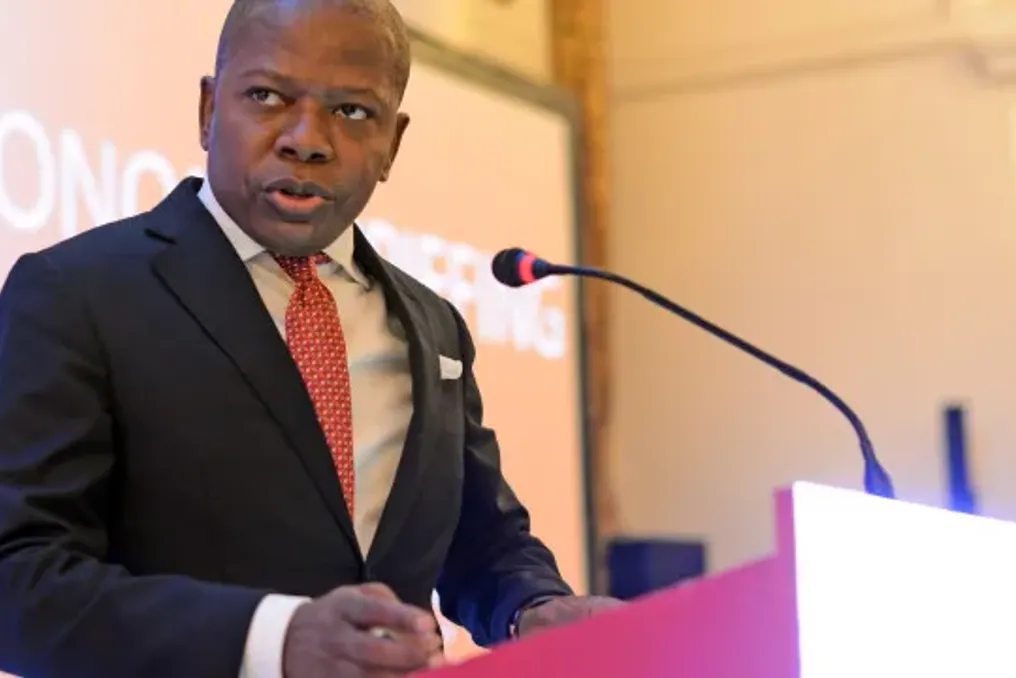
As part of the opening of a new school in Maputo, the first of its kind in Mozambique, a new paradigm for training public health specialists was presented. Maria Benvinda Levi stated that the institution's goal is to teach professionals advanced solutions in digital health while maintaining a focus on the individual, community, and public interest.
International Recognition and Cooperation
According to the minister, the educational institution was selected by the African Centre for Disease Prevention and Control as a future center of excellence for training public health personnel among Portuguese-speaking African countries (PALOP). Furthermore, the school is oriented towards cooperation within the Community of Portuguese Language Countries (CPLP), as this recognition increases the responsibility to ensure education that will be 'high-quality, relevant, and open to regional cooperation.'
Levi emphasized that the school will also contribute to strengthening the healthcare systems of brotherly Portuguese-speaking African countries. The exchange of experience, competencies, and best practices will allow for better response to cross-border challenges.
Support and Development Vision
The construction of the school was carried out with technical support from the Government of Brazil through the Oswaldo Cruz Foundation. The minister noted that this support embodies the commitments made during the visit of Brazilian President Lula da Silva to Mozambique in November 2025. The creation of this School marks an important step toward the general concept of building a School of Public Health in the CPLP space, uniting knowledge, institutions, and peoples for the protection of life and well-being of the population.
The minister also pointed out that the country is undergoing epidemiological and demographic changes that are profoundly affecting the National Health System (SNS). These changes require increased capacity for forecasting, planning, and response, as well as having trained specialists capable of understanding 'complex realities and acting with thoroughness, speed, and social sensitivity.'
Educational Programs and the School's Role
The institution will conduct strategically important training for the SNS, including courses on Climate and Health, Health Economics, and Digital Health. Master's and doctoral programs in Health Systems and Health Sciences and Professional Education will also be offered. Training will utilize modern methodologies and tools, and will feature digital laboratories and equipment for virtual classes.
The school is positioned as a platform for scientific dialogue and regional and international cooperation. It will strengthen Mozambique's role in generating knowledge in public health and responding to common challenges affecting the African continent.
Contribution of Brazilian Partners
Brazil's Minister of Health, Alexandre Padilha, stated at the ceremony that this partnership will provide bilateral support in training healthcare workers through the exchange of teachers and researchers. Joint programs are also planned to improve the work and activities of healthcare workers in the African country, as well as to study Brazilian experience to improve public health work.
Padilha added that this school is the first step toward creating a multinational educational center for Portuguese-speaking countries. From this school in Mozambique, a foundation can be built to unite the experience of the School in Lisbon (Portugal) and the National School of Public Health of Brazil, as well as attracting specialists and teachers from other Portuguese-speaking African countries.