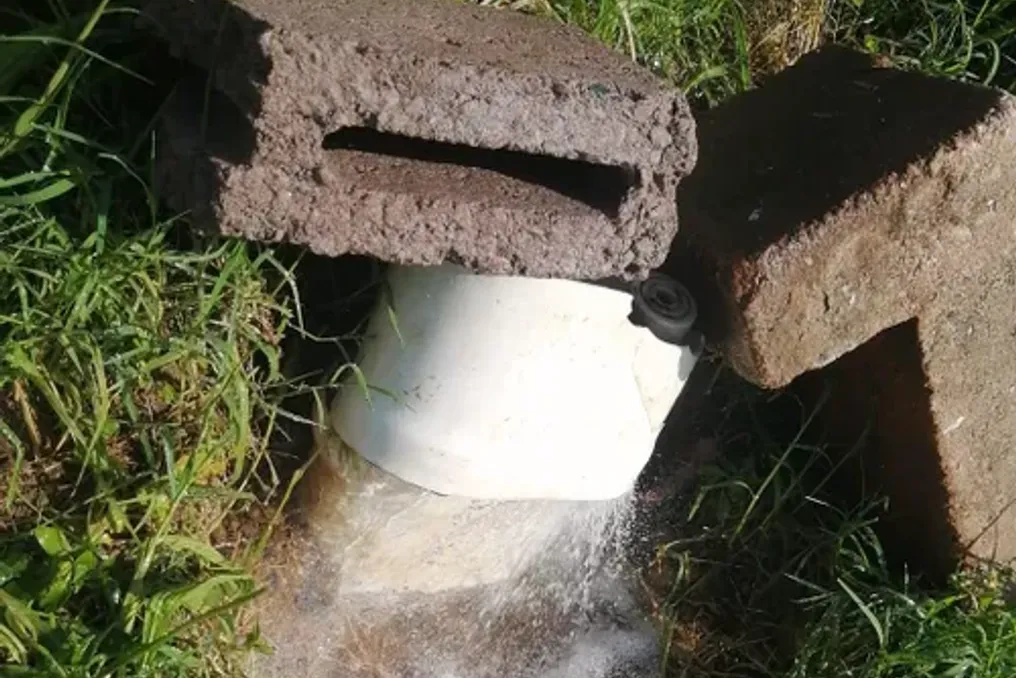
Residents of Durban are facing serious problems as the eThekwini municipality grapples with a crisis among hired plumbers, leading to significant water losses. One Durban resident was forced to place a brick on a water meter to prevent water splashing in their home.
Scale of the Water Problem
In June 2026, the eThekwini municipality recorded Non-Revenue Water (NRW) losses at 65% and is attempting to manage 12,000 registered leaks. Samantha Windvogel, a DA council member for Ward 65, noted that the average annual NRW rate is 55%, and both figures significantly exceed the national benchmark, causing serious concern.
Conflict with Contractors
The Municipal Water and Sanitation Directorate (EWS) plans to meet with former contracted plumbers on Wednesday (July 22) in hopes of resolving several issues. Alan Peterson, a Democratic Alliance council member and Speaker of the Trade Services Committee, reported that the hired plumbers blocked access to the EWS depot in Pinetown on Tuesday due to unpaid invoices and new procurement procedures.
Windvogel emphasized that despite recommendations to implement the Contractor Initiated Procurement (CIP) process to address the shortage of plumbers, a formal decision has not yet been made. This has deprived the department of the necessary capacity to effectively respond to the growing crisis. Residents continue to approach council members with questions about self-repairing leaks, but the municipality has not issued an official statement with recommendations on this matter.
Causes and New Models
According to Windvogel, it is evident that 56 in-house plumbers without support from hired specialists are insufficient to tackle such a large-scale issue. She added that ratepayers are dissatisfied with the daily sight of clean drinking water flowing into streets and stormwater drains while many communities continue to experience water shortages.
During an Executive Committee (EXCO) meeting, the municipality condemned the illegal blockade of reservoirs by disgruntled contractors. It was stated that such actions hindered municipal staff from performing their duties and violated the provision of vital water supply services to residents.
Management Explanations
City Manager Musa Mbele explained that the decision to revise the process for appointing contract plumbers was based on the findings of the Auditor-General, who determined that the previous contractual arrangement was irregular. Mbele clarified that, following the Auditor-General's recommendations, the municipality introduced a new procurement model through the Contractor Infrastructure Panel (CIP) to manage plumbing services. He specified that some contractors challenged this process in court, and temporary measures were put in place under the approved CIP management agreement to ensure the continuity of service delivery.
Mbele also reported that some former contractors expressed dissatisfaction, insisting on direct individual contracts with the City instead of working as subcontractors under appointed managing contractors. Despite these disputes, the implementation of the new system is progressing. The connection process has been completed in the northern region, and work is underway, with deployment continuing in other regions.
Strengthening Internal Capacity
Executive Director of Technical Services Ednik Msveli highlighted that the current dispute is mainly related to the transition to the new contract model. He also clarified that payment rates remain unchanged compared to the previous scheme, with subcontractors now working under managing contractors who receive a 15% management fee approved by the City's Bid Adjudication Committee (BAC).
Previously, EXCO approved the recruitment of 121 additional plumbers to strengthen internal capacity and reduce reliance on external contractors. To date, 44 hires have been completed, increasing the City's internal staff to approximately 56 plumbers. Recruitment for plumber assistants is also ongoing to further strengthen these teams. Msveli concluded that while contractors continue to play a supporting role in supplementing municipal capacity, the City intends to build a stronger internal workforce capable of providing reliable and sustainable services to residents.