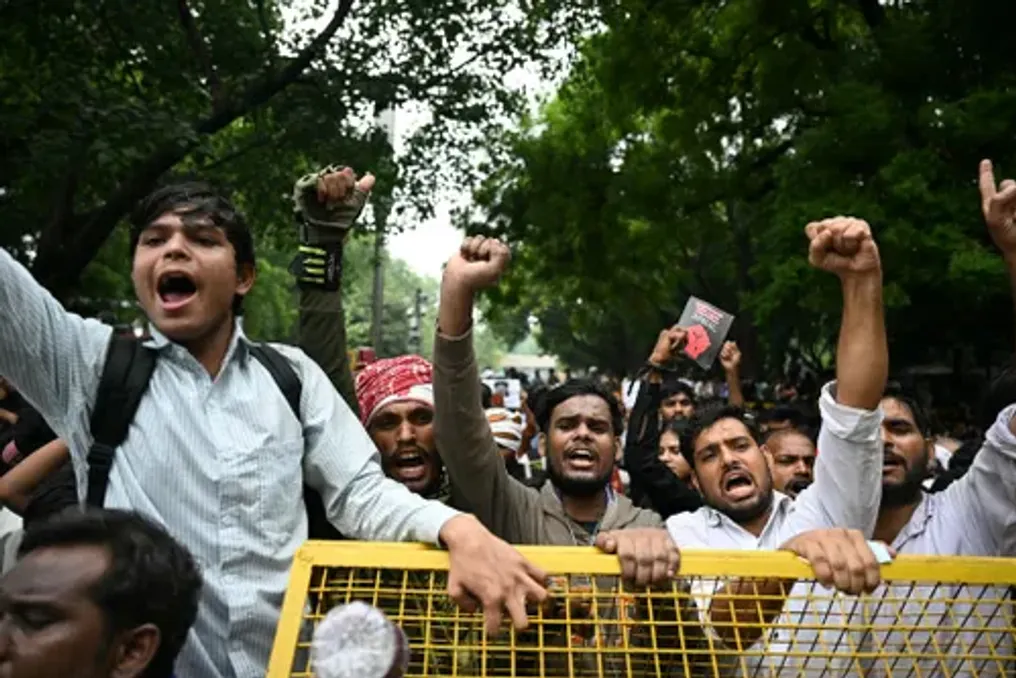
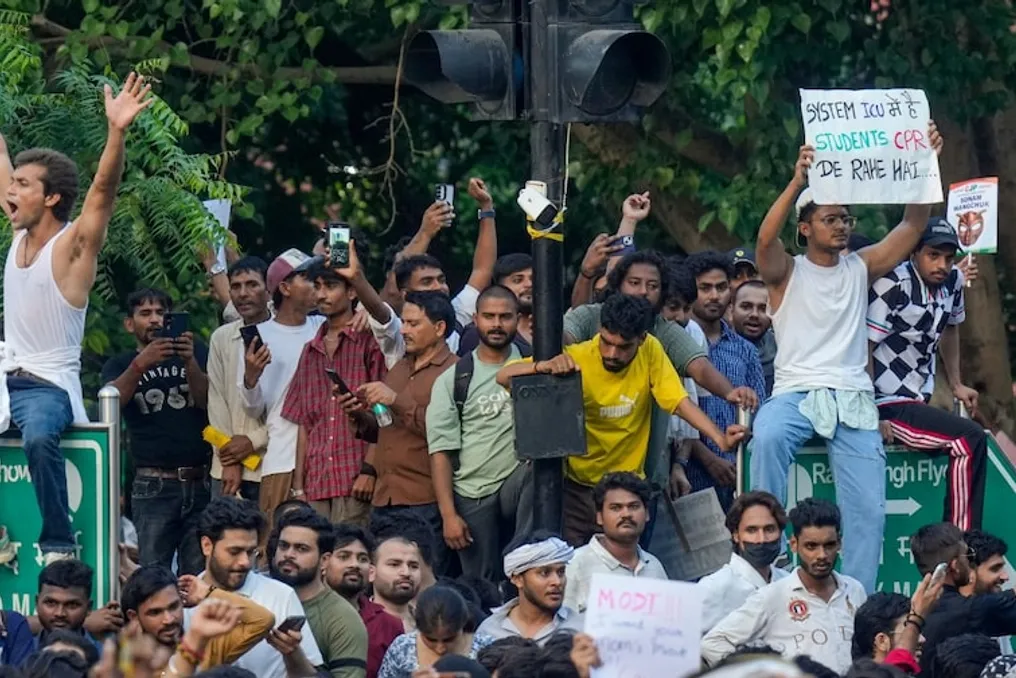
The student movement in Delhi, organized under the name 'Kocroch Janata Party' (CJP), is continuously taking place at Janta Mantar square. During the 'Chalo Parliament' march on July 20, thousands of students and youth attempted to head to the parliament but were met by the Delhi police. The police used barriers, batons, and tear gas, resulting in dozens of demonstrators and police officers being injured.
Continuation of Protests and Demands
Despite the dismantling of tent camps, protesters have returned and are continuing sit-ins even in the rain. Sonam Wangchuk, while hospitalized, continues his hunger strike demanding the resignation of Education Minister Dharmendra Pradhan. The action has spread from Delhi to major cities such as Mumbai, Bangalore, and Kolkata.
Most participants in the demonstrations are representatives of 'Gen Z' and students who took to the streets due to issues in the education system, unemployment, and uncertainty about their future. The founder of CJP, Abhijit Dipke, stated that this movement will continue indefinitely.
Political Reaction and Government Actions
This movement has caused significant activity in the political sphere. The All India Coalition, including the Congress, supported the students. Many opposition leaders, including Rahul Gandhi, raised questions about the NEET exam in parliament, protested in black attire, and reiterated the demand for Dharmendra Pradhan's resignation.
The Mumbai Police registered 13 complaints regarding protests supporting CJP starting from July 18, involving about 400 people. The police claim that some actions were conducted without permission, whereas protesters demanded reforms in the education system and measures against alleged leaks of examination materials. According to police data, unauthorized rallies took place in locations such as Shivaji Park, Chaityabhoomi, Chembur, and the Shiva Sena building.