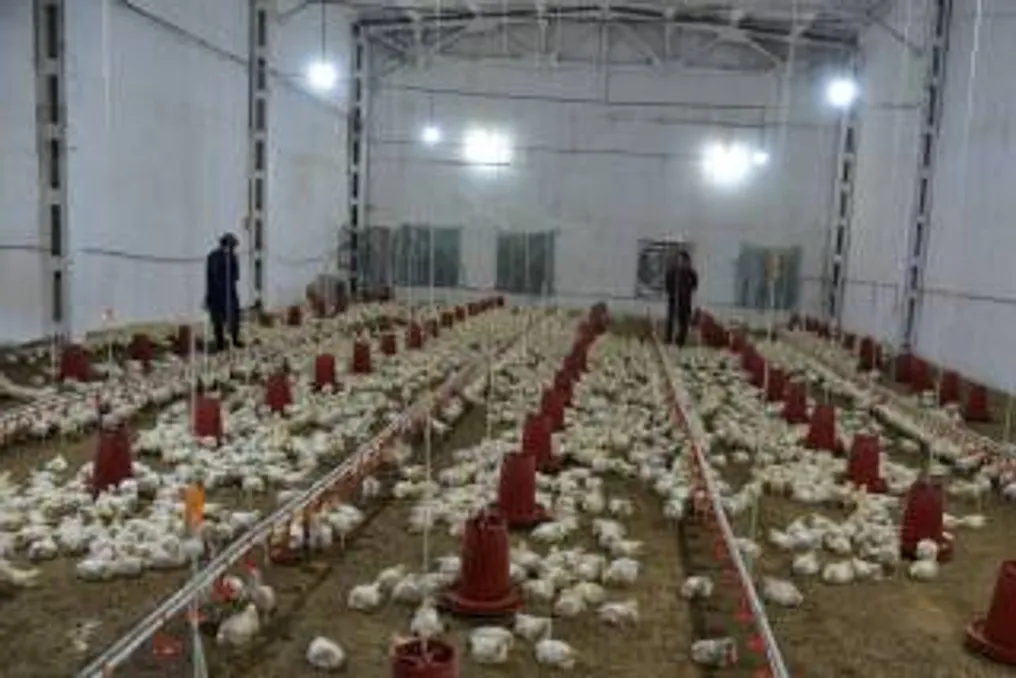
In Uzbekistan, ensuring food security, consistently supplying the population with high-quality and affordable poultry products, and attracting private investment into this sector are among the key directions of state policy.
In Uzbekistan, ensuring food security, consistently supplying the population with high-quality and affordable poultry products, and attracting private investment into this sector are among the key directions of state policy.
In recent years, targeted efforts have been made to modernize the poultry sector, increase production volumes, and provide financial support to entrepreneurs.
The decision by the head of state dated July 23, 2026, 'On Additional Measures to Support the Poultry Industry,' is expected to mark a new stage in the development of this sphere.
According to this decision, financial resources will be provided to poultry farms, entrepreneurs producing feed for poultry, and implementers of 'ready business' projects under more favorable terms.
Specifically, starting from September 1, 2026, loans issued based on funds directed to JSC 'Microcreditbank' from the Restoration and Development Fund will be allocated at an annual rate of 10 percent.
This indicator is intended to stimulate new investment projects, as lowering the interest rate eases the financial burden on the entrepreneur, expanding opportunities for increasing production and implementing modern technologies.
Another important aspect of the decision is that starting from August 1, 2026, loans of up to 10 years with a grace period of 4 years will be provided through 'Microcreditbank' for launching new capacities for poultry product production and implementing 'ready business' projects.
Such a mechanism of long-term and preferential financing gives the entrepreneur enough time to launch the project, establish production, and maintain stable operations in the initial years. These conditions are especially important for capital-intensive industries such as poultry farming.
Based on the Decree of the President of the Republic of Uzbekistan dated September 4, 2025, 'On measures to introduce a simplified procedure for calculating value-added tax in the agricultural sector,' starting from January 1, 2026, a zero value-added tax (VAT) rate will be applied to agricultural products produced by agricultural producers (excluding cotton and grains).
The Ministry of Justice has registered agricultural products subject to the zero VAT rate (number 3905, July 21, 2026) in the state register.
As a result, a list of 516 types of agricultural products for which the zero VAT rate applies has been approved (excluding cotton and grains). VAT amounts paid when purchasing goods (services) for the production of products included in this list will be refunded. These funds will be automatically returned to agricultural producers within three days.
State policy in the field of food security pays special attention to ensuring the population with food products. In this regard, the active development of the livestock industry, the introduction of modern and innovative methods, and the stimulation of enterprises specializing in this area are extremely relevant tasks.
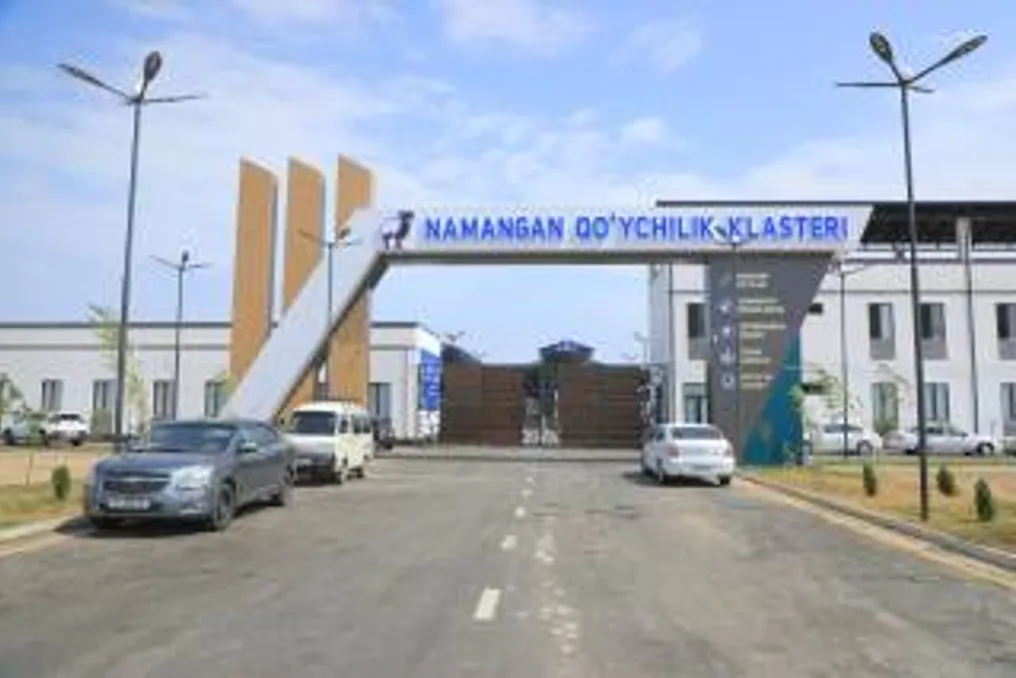
During his visit to Namangan region on June 23, the President familiarized himself with the activities of the 'Namangan Sheep Farming Cluster' in Turakurgan district. The President emphasized the significance of this enterprise for the development of animal husbandry, ensuring the domestic market with quality meat, and increasing employment, and gave an instruction for its popularization.
This project became possible due to the broad opportunities established in the President's decree of January 29, 2020, 'On additional measures to support the livestock industry.' Within the cluster, modern logistics services, veterinary and service branches, as well as retail points for direct product sales will be created, which will ensure the formation of a complete and continuous cluster chain.
Utilizing the extensive opportunities and benefits provided for livestock farming in the country, LLC 'Namangan Sheep Farming Cluster' was founded in 2026 in the village of Kumidon, Turakurgan district, under the leadership of livestock breeder Ayzamjon Usmonov on a 10-hectare plot. The cluster, with a total value of 35 million dollars, began stable operation with the goal of realizing a noble intention—supplying people's tables with affordable and high-quality meat.
This large three-stage project initially included work on building and equipping five hectares of land, and plans for the same area are planned in the near future. Currently, more than one hundred employees in the cluster take care of over 1500 animals according to modern requirements. It is planned to acclimatize the 'Arashan', 'Hisor', and 'Adelbay' breeds, imported from Kazakhstan, Tajikistan, and the Kyrgyz Republic, which have high productivity, to the local climate. By the end of the year, the number of jobs should reach 280, and the livestock population should reach 50 thousand heads.
According to the entrepreneur, during the meeting with the President, it was instructed to transform the cluster into a holding company. Thus, the task has been set to increase the livestock population to 300 thousand heads by the end of 2027. Thanks to the introduction of modern breeding technologies and a scientific approach in the cluster, there is an opportunity to significantly increase both the volume and quality of meat production.
According to the project's technological indicators, by intensive rearing of sheep weighing 40-50 kilograms, imported from abroad, over three months, their weight can be increased to 100 kilograms, which will allow for up to 60-70 kilograms of pure meat from each sheep. As a result, productivity will exceed traditional livestock farming by 45-50 percent, and after the full launch of the project, the production of 35-40 thousand tons of high-quality meat will be ensured annually in the Namangan region.
The head of the 'Namangan Sheep Farming Cluster', MChZh Ayzamjon Usmonov, noted that the current price of beef is 130 thousand sums per kilogram, and mutton is 160 thousand sums. The goal is to reduce these prices by 20 percent. For this, 40 meat stores are open in the region, and in the future, meat will be supplied to markets across the country. Additionally, starting next year, the production of 50 thousand tons of organic fertilizers is planned with the involvement of advanced industries, and 200 thousand tons of feed.
In conclusion, within the cluster structure, modern logistics services, veterinary and service units, as well as retail points for direct product sales will be created, which will lead to the formation of a complete and uninterrupted cluster chain.
Large-scale work is underway in the country aimed at effectively protecting public health, especially that of young people, and the national genetic foundation, which is part of the fight against drug addiction and organized drug crime.
At the same time, there is a need to improve legal mechanisms to increase the effectiveness of combating the production and distribution of synthetic narcotic drugs using precursors in illegal laboratories, as well as to prevent the improper handling of precursors.
At a meeting of the 'Adolat' faction of the SDP in the lower house of parliament, a bill providing for establishing liability for the illegal handling of precursors was considered. According to this project, additions are being made to the Codes of the Republic of Uzbekistan on criminal, criminal procedural, and administrative liability.
Specifically, the bill introduces a new norm into the Code of Administrative Liability, establishing administrative liability for violating precursor handling rules. Furthermore, the possibility of imposing criminal liability under the Criminal Code in case of repeated commission of this offense after applying an administrative penalty is being considered. These new provisions are designed to help prevent the illegal circulation of precursors, increase the effectiveness of combating the manufacture of synthetic narcotic drugs, and protect public health, particularly that of young people.