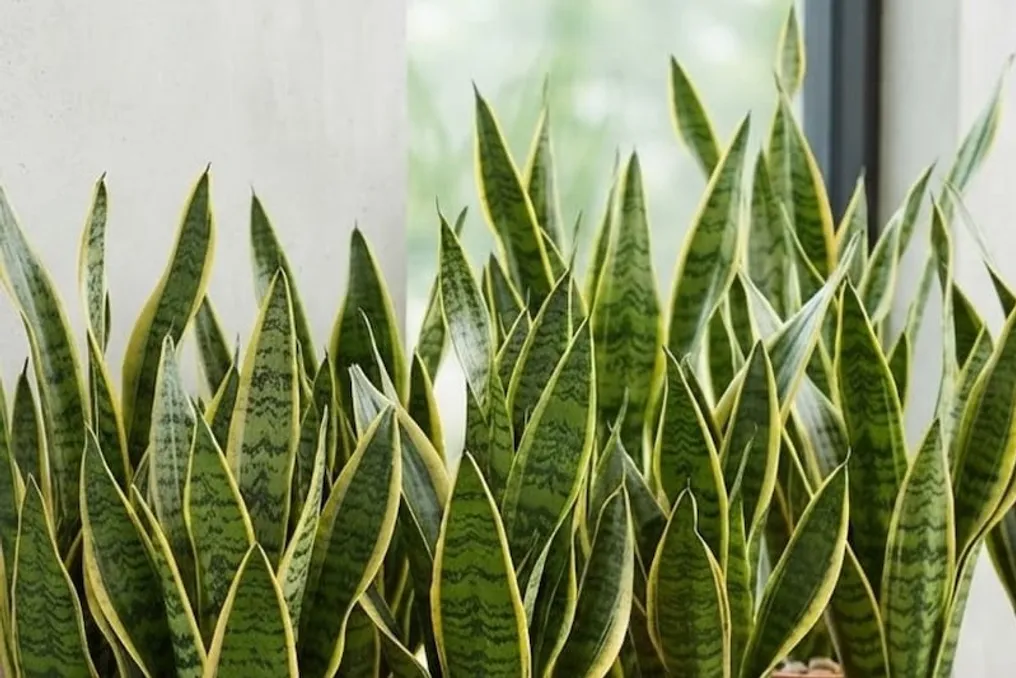
People often plant various trees and shrubs in their homes and gardens to add beauty. Among these plants are flowering species, but some of them can unintentionally turn into a haven for snakes. These plants attract snakes and provide them with ideal hiding places. If the following flowering plants are present in your garden, you should exercise increased caution.
Reasons for snakes appearing in gardens
Since snake blood is cold-blooded, they look for cool and shaded places to maintain body temperature. Dense vegetation in the garden provides them with moisture and darkness, which are ideal conditions for their habitat.
Furthermore, some plants attract small insects, frogs, and mice, which are food for snakes. When snakes smell prey, they begin moving towards the garden.
Plants that attract snakes
Jasmine
Jasmine or camellia is well known for its aroma and beauty, but growing it in a garden can carry certain risks. Jasmine grows quite bushy and tangled. Its dense foliage and branches at the base of the ground create a safe place for snakes to hide. Moreover, this plant serves as a refuge for insects and small animals, which indirectly means it 'feeds' snakes.
Periwinkle and Ivies
Groundcover plants like periwinkle and ivy grow quickly and cover the ground with a dense layer. This thick cover reduces visibility near the ground, making it difficult to detect snake movements. Moisture and dry leaves also accumulate under these plants, creating a natural refuge for snakes.
Precautions for the garden
If you have already planted these plants in your garden, do not panic, but take a number of necessary steps. First, it is necessary to keep the area around the plants clean to prevent the accumulation of debris. It is important to regularly trim the plants so that the area near the ground remains clean and open. You should also try to reduce the humidity level in the garden. It should be remembered that the more open and orderly the garden is, the less likely it is that snakes will be able to hide there.