The National Consumer Commission (NCC) and the Border Management Authority (BMA) have joined forces to combat the growing threat of counterfeit and illicit products in South Africa, aiming to protect consumers and strengthen the country's economy.
The National Consumer Commission (NCC) and the Border Management Authority (BMA) have joined forces to combat the growing threat of counterfeit and illicit products in South Africa, aiming to protect consumers and strengthen the country's economy.
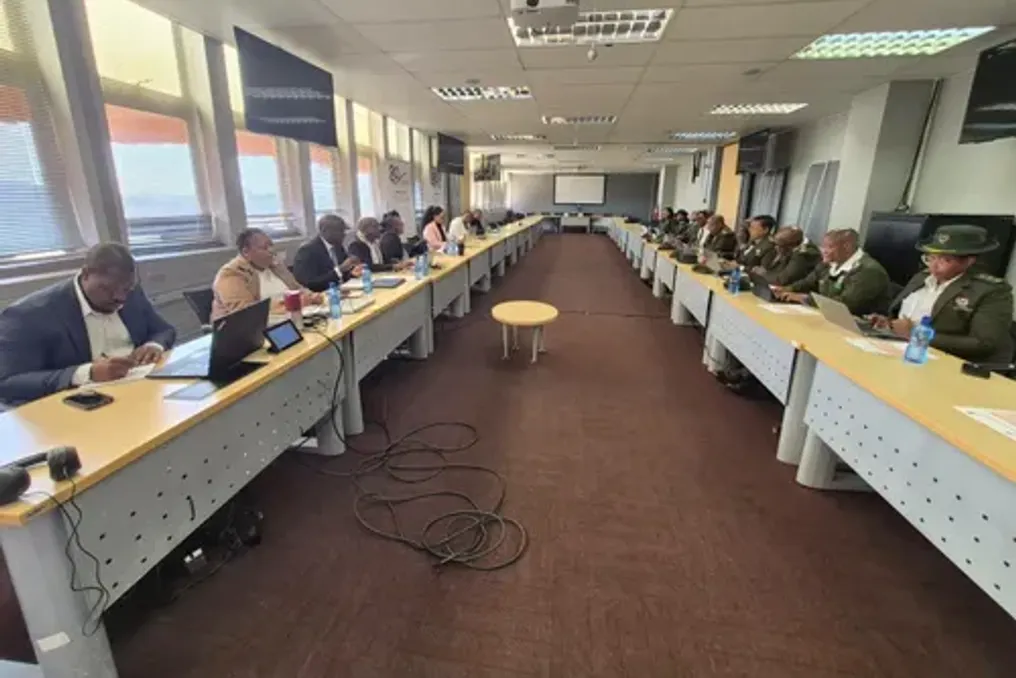
The NCC has partnered with the BMA to enhance measures against the importation of unsafe, counterfeit, and illegal goods through South Africa's entry points. This follows the signing of a Memorandum of Understanding (MoU) in May, under which both bodies will jointly conduct inspections, law enforcement operations, and information sharing to protect consumers from substandard and dangerous products.
The agreement also covers monitoring imports conducted via courier mail and e-commerce services. Both agencies will work together to identify and stop dangerous and illegal goods before they reach end consumers.
The current Commissioner of the NCC, Harding Ratsisusu, noted that the BMA is a strategic partner in curbing the spread of unsafe, illegal, and non-compliant products in the South African market. He emphasized the importance of strengthening law enforcement measures and improving interaction between the NCC and BMA.
BMA Commissioner, Dr. Michael Masiapato, stated that this partnership will strengthen the ability to stop illegal goods imports and improve border control management capabilities in detecting counterfeit and dangerous products at entry points. He stressed that given 29 commercial entry points out of 71 total, it is critical for the BMA to continue fulfilling its mandate in immigration, port health, agriculture, and biosecurity.
Under this enhanced cooperation, the BMA and NCC will closely collaborate to analyze product labels, barcodes, and other authentication features to determine the legality, safety, and quality of imported goods.
It has previously been reported that tobacco, alcoholic beverages, and branded clothing are among the most frequently counterfeited and illegally sold items in South Africa. According to a study by the University of Cape Town's Research Unit on Excise Products (REEP), approximately 60% of cigarettes sold in South Africa in 2021 were illegal.
The study showed that the volume of the illegal cigarette market increased from about 30% before the Covid-19 pandemic to around 60% after the 2020 tobacco sales ban, and this level persists. It is estimated that illegal trade costs the South African economy up to 100 billion rand annually, with recent estimates suggesting the informal economy accounts for about 20% of South Africa's GDP.