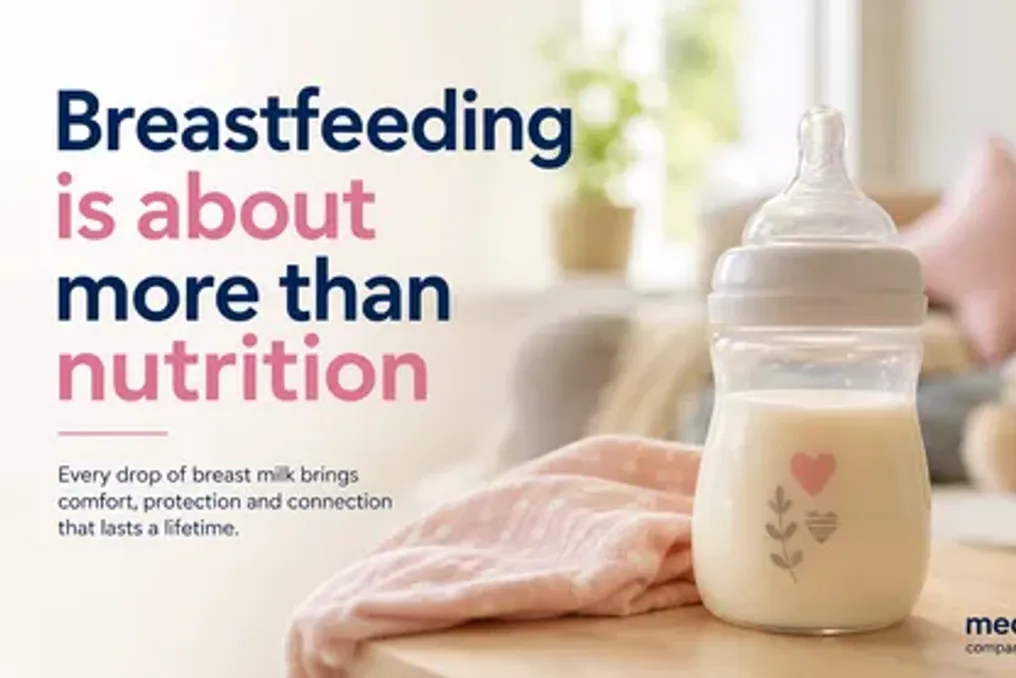
Breastfeeding Week, held annually from August 1st to 7th, draws attention to the critically important role of breastfeeding in ensuring infants have the healthiest possible start in life. While this annual campaign raises awareness, it also provides an opportunity for more open discussions about a process that can be both incredibly beneficial and unexpectedly challenging.
The Nature of Feeding
Breastfeeding is often presented as a natural process; however, many mothers actually require time to find an approach that suits them and their baby. Like any new skill, it may require a learning period, and there is no single experience applicable to all families.
The Importance of Breast Milk
Mother's milk contains all the necessary nutrients for an infant in the early months of life and adapts to changing needs as the child grows. Furthermore, it includes antibodies that protect infants from common infections while their immune system is developing.
One of the most remarkable aspects of breastfeeding is that it begins even before mature milk production. In the first days after birth, mothers produce colostrum—a thick, yellowish milk often called the baby's first natural defense. Although the quantity is small, colostrum is highly concentrated with nutrients, antibodies, and immune cells that help protect newborns from infections and support digestive system development.
WHO Recommendations
The World Health Organization (WHO) defines colostrum as the ideal first food for newborns and recommends that babies be breastfed within the first hour after birth if possible. Early initiation of breastfeeding is linked to improved newborn health outcomes and helps stimulate milk production as the process establishes itself.
WHO also advises exclusive breastfeeding for the first six months of life, followed by continued feeding alongside appropriate complementary foods up to two years or beyond. Although these recommendations are the global gold standard, the organization acknowledges that each mother's circumstances are different. Families need access to reliable information and appropriate medical care to make informed health decisions.
Long-Term Benefits and Realities
The benefits of breastfeeding extend beyond infancy. Studies link it to a reduced risk of certain childhood illnesses, while mothers may gain health benefits, including a lower risk of certain cancers and improved postpartum recovery. Although these benefits are well-documented, healthcare professionals emphasize that successful breastfeeding should never be measured by how closely a family adheres to an ideal.
Breastfeeding is a journey that goes beyond simple nourishment for mothers and babies.
Each Family's Individual Journey
There are many reasons why breastfeeding may not go according to plan. Some babies have difficulty latching, others are born prematurely or require specialized medical care. Mothers may face physical difficulties, need medications that affect nursing, or return to work sooner than expected.
For some families, expressing breast milk becomes part of the routine, while others rely partially or entirely on infant formula. These decisions are often shaped by medical advice and individual circumstances rather than personal preference. The main focus must always be on ensuring infants receive adequate nutrition and that parents have access to accurate information to make balanced decisions without unnecessary pressure or guilt.
Creating a Supportive Environment
Although breastfeeding is a personal choice, mothers rarely do it in isolation. Support from partners, family members, employers, and healthcare professionals can make the initial weeks less burdensome and help mothers overcome common difficulties. Simple measures, such as flexible work schedules, private pumping spaces, and access to qualified lactation support, can significantly change the situation for women wishing to continue breastfeeding after returning to work.
Breastfeeding Week is not intended to assert that every family's experience must be the same. Rather, it serves as a reminder that parents deserve practical guidance, evidence-based advice, and understanding while navigating the first months of newborn care. Regardless of whether a mother nurses for weeks, months, or longer, the goal should not be perfection. The goal is to ensure every child has the best start and every family feels supported in making decisions that are right for them.