Recent discussions surrounding the football match between Argentina and Egypt in the Round of 16 of the 2026 World Cup primarily focused on the sporting event itself, especially in light of accusations of biased refereeing in favor of Argentina from FIFA.
Public reaction in the Arab world
However, public sentiment in the Arab world reflected local political realities. While social media serves as a plausible, albeit unscientific, barometer of public opinion, it indicates overwhelming support for the Egyptian team, even among those who oppose the poor human rights situation under the regime.
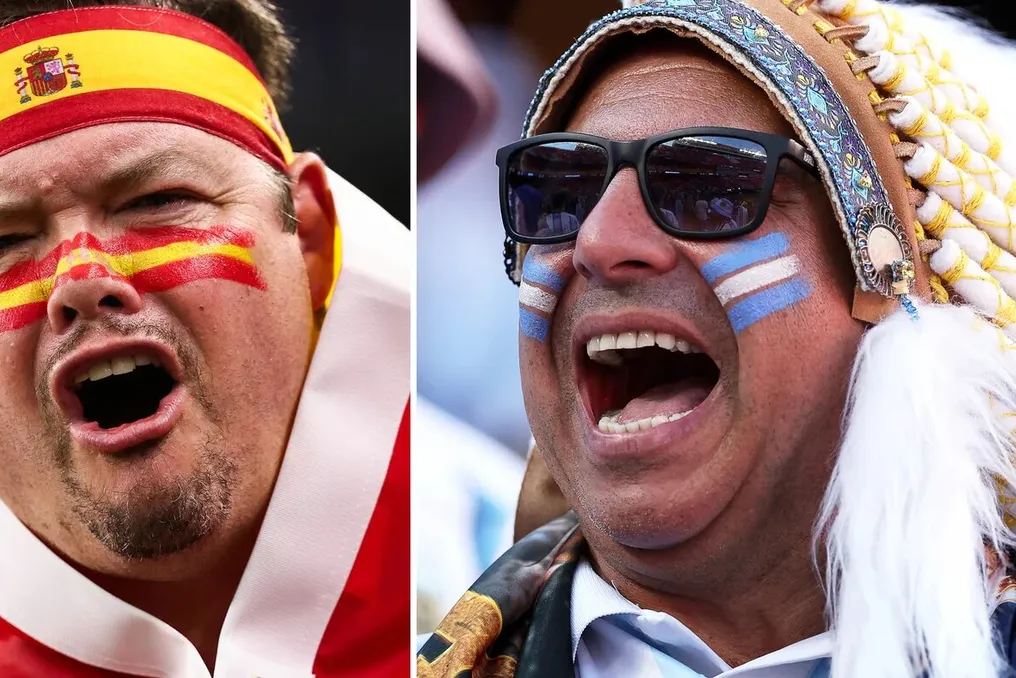
Like fans worldwide, many Arab supporters are divided into camps: proponents of Argentine captain Lionel Messi and Portuguese captain Cristiano Ronaldo. These fan groups have acquired an almost cult-like character, supporting either Messi or Ronaldo regardless of the tournament or team.
Nevertheless, the Egypt versus Argentina match became a rare instance where these individual allegiances took a backseat, and Arab fans united.
The significance of solidarity
This is significant because over the last decade, the Arab world has faced growing attempts to undermine regional unity. Many regimes have sought to create national narratives that isolate their people from the wider region, thereby concealing their own failures.
But the solidarity and sympathy shown by fans across the region for Egypt—from Mauritania to Oman—demonstrated the failure of these efforts to dismantle the region's historical, cultural, linguistic, and religious ties.
Highlighting Gaza
Even before the controversial match against Argentina, the Egyptian team attracted significant attention and support throughout the Arab world, and this was not solely due to impressive play in the previous round.
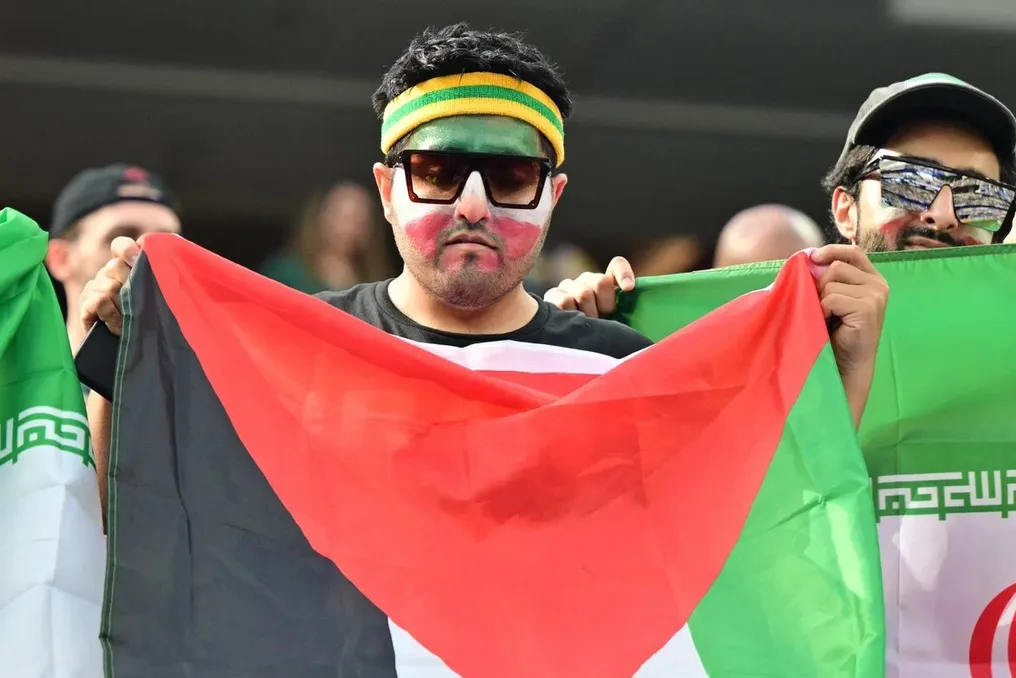
Egypt's coach Hossam Hassan displayed the Palestinian flag on the field after his team's victory over Australia and advancement to the Round of 16. He received praise from many Arab commentators for dedicating his team's victory to the Egyptian and Palestinian peoples. He did not back down when some critics criticized him for including Palestinians instead of focusing only on the Egyptian people.
Despite years of political division, Arabs across the region maintain a shared identity and common goals.
In a subsequent press conference before the match with Argentina, Hassan called on the world to support the Palestinian people and end their suffering, drawing new global attention to the humanitarian catastrophe in Gaza.
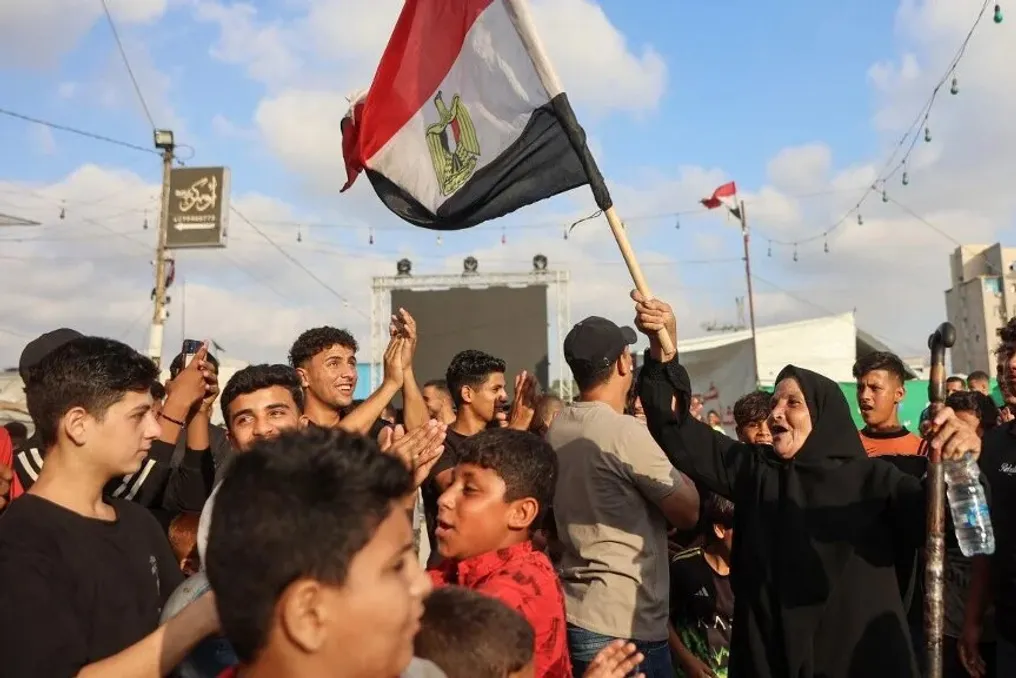
Palestinians in Gaza celebrated Hassan's gesture, gathering near the ruins of their homes to watch the Egypt versus Argentina match on large screens. Highlighting the ongoing tragedy, Israeli forces killed Mohammed Al-Wahidi, a Palestinian assistant who organized the screenings, just moments before the match began.
These events highlighted the special bond between Egyptians and Palestinians from Gaza, as well as the central role of the Palestinian cause for all Arabs.
Some social media observers noted that Hassan's decision to dedicate the victory to the Palestinian people and raise the Palestinian flag was more important than the outcome of the Egypt-Argentina match.
Egyptian injustice
Beyond putting pan-Arab unity at the forefront, Egypt's final match in the World Cup and the sense of injustice felt by the Egyptian team and its fans highlighted another injustice—on the domestic front.
Former political prisoners in Egypt and the families of current detainees expressed sympathy for the national team but also used the opportunity to remind Egyptians of the problems they face at home.
While fans expressed outrage over the results of the Egypt-Argentina game, Gamal Eid, one of Egypt's most prominent human rights lawyers, posted on Facebook, questioning why the same level of public indignation could not be directed at the ongoing injustice in the country's prisons.
At the same time, Egyptians in exile questioned why they were denied the right to celebrate the national team's participation in the World Cup within Egypt.
Many Western commentators argue that sport should remain separate from politics. However, following Russia's invasion of Ukraine, European teams and sports organizations used the 2022 World Cup and other tournaments to express solidarity with the Ukrainian people.
For many Arabs, sport has always been closely intertwined with politics. The 2026 World Cup provided an opportunity for the public expression of 'Arabness,' demonstrating that despite years of political fragmentation, Arabs across the region still share a common identity and common goals: primarily Palestine.