The healthcare system in the United Arab Emirates (UAE) is viewed not as an isolated sector, but as one closely linked to the country's broader national goals, including economic strength, quality of life, and the ability to remain resilient in a rapidly changing world.
National Ambitions and Partnership
Similar stories
Popular
This approach is reflected in the We the UAE 2031 strategy, where healthcare is defined as a driver of national progress with a clear goal—to be among the world leaders in medical care quality. For the private sector, this means not just functioning within the system, but actively participating in its long-term strengthening.
Progress in healthcare is achieved through collaboration: regulators create protective frameworks for patients and ensure trust, while industry partners bring innovation, scale, and operational flexibility. This coordinated interaction makes healthcare systems more robust, accelerates the adoption of innovations, and allows patients to receive solutions that meet real needs.
MSD's Activities in the UAE
MSD, known as Merck & Co. Inc., is a global research-oriented biopharmaceutical company that develops medicines and vaccines to address serious global health challenges. MSD's partnership with the UAE spans over four decades, during which time the company has focused on delivering vaccine and medicine innovations to patients in the UAE and the region, ensuring supply continuity, and investing in local capabilities to strengthen the entire healthcare ecosystem.
In the last five years, the focus of MSD's work has intensified due to the acceleration of innovation. The company has expanded partnerships into new areas, paying greater attention to developing expertise, building capacity, and supporting the next phase of healthcare transformation in the UAE.
Supply Chain Resilience
As global pressure mounts on pharmaceutical supply chains, resilience has become a shared priority. The UAE has established itself as a reliable hub for regional and international supplies, supported by a developed regulatory environment and close interaction between government bodies and industry. Through such cooperation, operational plans can dynamically respond to demand changes, maintaining market stability and continuity of care for patients.
The Role of Policy and Collaboration
The Emirates Drug Establishment (EDE) has fostered an environment where efficacy and safety go hand in hand, allowing innovations to reach patients without compromising trust. This balance gives healthcare partners confidence to plan, invest, and react effectively even during periods of uncertainty.
Partnership in the UAE goes beyond mere supply. In Abu Dhabi, MSD's collaboration with the Department of Health has become broader and more future-oriented. In 2022, both parties signed a memorandum of understanding covering scientific research, education, and innovation. In 2023, a UAE delegation visited MSD Research Laboratories in Boston, reinforcing the shared commitment to science, capacity building, and the system's long-term readiness. Recently, in 2024, a non-binding memorandum of understanding was signed focusing on lung cancer clinical trials.
Innovation and Patient Care
Innovations continue to shape healthcare delivery and patient care, and MSD continues to develop its portfolio in promising areas, reflecting a commitment to meeting evolving patient needs. National efforts in disease prediction and data-driven healthcare enable the application of more precise and personalized treatment approaches.
Patients are central to this progress, and engaging them through targeted awareness campaigns promoting early detection remains key. As part of flagship initiatives like the EMBRACE breast cancer awareness campaign, MSD expands its influence annually. Over the past five years, the company has collaborated with various partners, including the Ministry of Health and Population, the Abu Dhabi Department of Health, Friends of Cancer Patients, Emirates Airlines, Deliveroo, MAF Group, and others, united by the common goal of advancing early detection and diagnosis of breast cancer.
Drug Access and Support
Regarding prevention and drug access, MSD's contribution has been significant. Prevention has long been a national priority in the UAE, and MSD has supported these efforts by introducing innovative vaccines and engaging with healthcare stakeholders. These measures have helped reduce the burden of diseases such as HPV-related conditions through proactive care.
Well-designed patient support programs, aligned with national standards, underscore the importance of coordination within the healthcare ecosystem to achieve tangible results. They play a key role in improving health equity and enhancing access to medications, supporting the UAE's national health agenda. Concurrently, through programs such as TaPhaol for pulmonary arterial hypertension and AWN for oncology patients, MSD has launched landmark initiatives in collaboration with partners like Friends of Cancer Patients and the Emirates Oncology Society, a long-standing strategic partner with whom they work closely with healthcare professionals to ensure high-quality oncological care in the region.
Scale of Industry Coordination
Industry associations, regulators, manufacturers, and logistics partners join forces to align supply with demand and anticipate emerging needs. This collaborative approach not only strengthens the readiness of the healthcare system but also solidifies the UAE's status as a leading regional and global healthcare center.
Future Prospects in the UAE
Looking ahead, MSD's commitment to the UAE remains long-term. The company will continue to invest in partnerships that support innovation, strengthen supply resilience, and develop local expertise so that medicines and vaccines are available to patients when needed most. Since healthcare progress is determined not only by today's achievements but also by how well a country is prepared for tomorrow, this preparedness in the UAE is being built steadily, collaboratively, and with a clear vision for a stronger, more sustainable, and viable healthcare future.
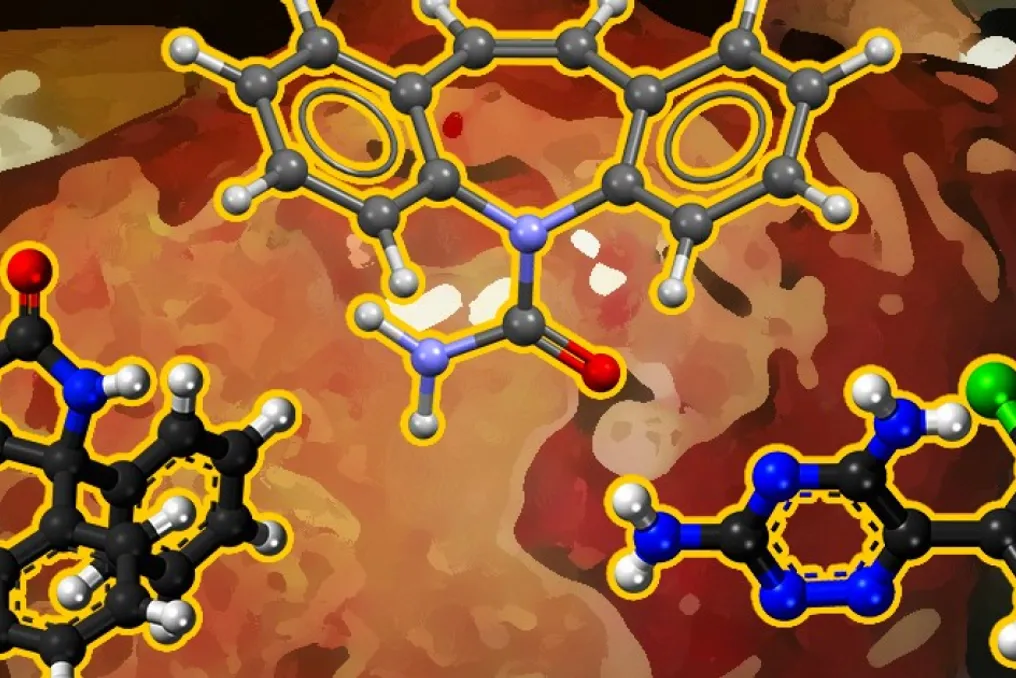
A study conducted by Elizabeth Jane Phillips and her colleagues from Canada presented the results of a systematic review and meta-analysis of scientific publications. The analysis revealed that antiepileptic drugs (anticonvulsants) are responsible for nearly a quarter of severe allergic skin reactions, such as Stevens-Johnson syndrome and toxic epidermal necrolysis (Lyell's syndrome), which are associated with high mortality rates.
Methodology and Analysis Results
The researchers studied data from the MEDLINE and Embase databases collected up to March 2026. Fifty publications covering 4403 patients were included in the analysis. This data was combined using a mixed-effects meta-analysis method, and the results were published in the journal JAMA Dermatology.
Causes and Risk Factors
It was found that 88 percent of all cases of Stevens-Johnson and Lyell syndromes were triggered by the use of one specific drug. Anticonvulsants accounted for 23 percent of these cases. Among the drugs causing such reactions, aromatic agents constituted the largest proportion (96 percent of cases caused by anticonvulsants), specifically carbamazepine (39 percent), phenytoin (19 percent), and lamotrigine (15 percent).
Geographical and Age Differences
The proportion of cases triggered by anticonvulsants varied significantly depending on the region: from 42 percent in West Asia to only 10 percent in Africa (which is statistically significant, p < 0.001). Furthermore, children showed a higher incidence of such reactions compared to adults (35 percent versus 23 percent).
Additional Clinical Observations
A separate clinical trial conducted by Italian physicians concerned the drug mesoglican. It was shown that this drug does not reduce the probability of recurrent superficial thrombosis or new deep vein thrombosis in the lower extremities. Nevertheless, a small cumulative protective effect was noted after two years of medication use, although previous studies had reported its significant antithrombotic action. The results of this trial were published in eClinicalMedicine.
Microplastics are beginning to harm the heart. According to a new study conducted in Italy, particles of micro- and nanoplastics were found in the blood of patients who had suffered a heart attack. It was established that people suffering from heart attacks have higher concentrations of these particles than healthy individuals, which may indicate a link between microplastics and the occurrence of heart attacks.
Study Methodology
Researchers from the University of Campania Luigi Vanvitelli in Italy took blood samples from 61 patients. Analysis of these samples revealed the presence of micro- or nanoplastics in 84% of patients with severe heart attacks. Furthermore, these particles were found in 40% of people who previously suffered from heart diseases. In 97% of cases where plastic was found in the patients' blood, polyethylene was identified—the same material used in the production of polyethylene bags, plastic bottles, and packaging materials.
Mechanism of Harm to the Heart
As stated in the article published in the European Heart Journal, microplastics cause inflammation and oxidative stress in the body. Both processes contribute to increasing the risk of a heart attack. Although this study does not prove a direct causal link between microplastics and heart attacks, it confirms an increased risk of heart attack due to microplastic exposure.
Expert Opinions and Prevention
Preventive cardiologist and nutritionist from America, Michelle Rautenstein, noted that the goal of this study was to examine the relationship between microplastics and heart disease. The detection of microplastics in patient blood samples demonstrates that these particles can damage the heart. However, the expert emphasized that it is premature to claim that microplastics are the sole cause of a heart attack and called for increased vigilance.
Sources of Microplastics
Microplastics are found in packaged food, airborne dust, and synthetic clothing fibers. They enter the body through the respiratory tract. Previous studies have already shown the presence of microplastics in human blood and lungs. Experts believe that completely eliminating contact with them is impossible, but the level of exposure can be reduced by minimizing the use of plastic in all its forms.
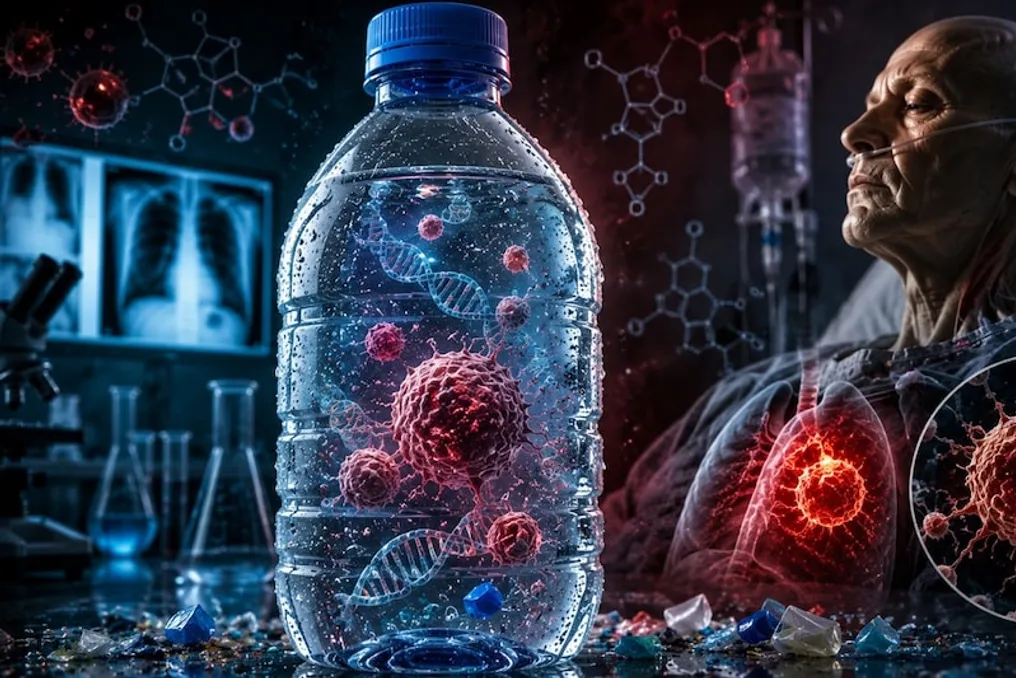
Claims are often circulated on social media that consuming water from plastic bottles can lead to cancer, causing concern among many people. This raises the question of whether ordinary plastic bottles pose a health threat and if this is dangerous.
Reasons for concerns about plastic
There is an opinion that if a plastic bottle is exposed to heat for a long time, the probability of releasing the chemical substance BPA increases. Furthermore, microplastics have become a subject of concern in recent years because they have been found in many human organs and in blood. Since these tiny plastic particles can enter water, there is a risk of them entering the body, given that BPA is considered a carcinogen.
Specialists' Opinion
To find out the experts' views, the publication spoke with Dr. Rohit Kapoor from the Oncology Department of Max Medical Center in Ghaziabad. Dr. Rohit notes that most studies conducted so far have been based on laboratory and animal models. Although some effects of these chemicals and microplastics have been observed in these studies, a direct proof of the link between drinking water from a plastic bottle and the development of cancer in humans has not yet been established, so further scientific research is necessary.
Recommendations for Plastic Use
Nevertheless, Dr. Rohit advises trying to avoid drinking from plastic bottles. If the use of plastic is unavoidable, several precautions should be taken. It is necessary not to leave plastic bottles in direct sunlight or in hot cars. Bottles that are cracked, discolored, or old should not be reused. Ideally, glass or stainless steel bottles should be chosen for drinking.
Importance of Caution
Dr. Rohit emphasizes that research on microplastics and related chemicals is ongoing, but remaining vigilant remains extremely important. Therefore, if one must drink water from a plastic bottle out of necessity, it should not be used more than once or twice.