The quality and reliability of municipal services in South Africa are declining for many citizens. Reasons for this include aging infrastructure, insufficient maintenance levels, financial strain, and management issues that are outpacing population growth.
Differences Between Municipalities
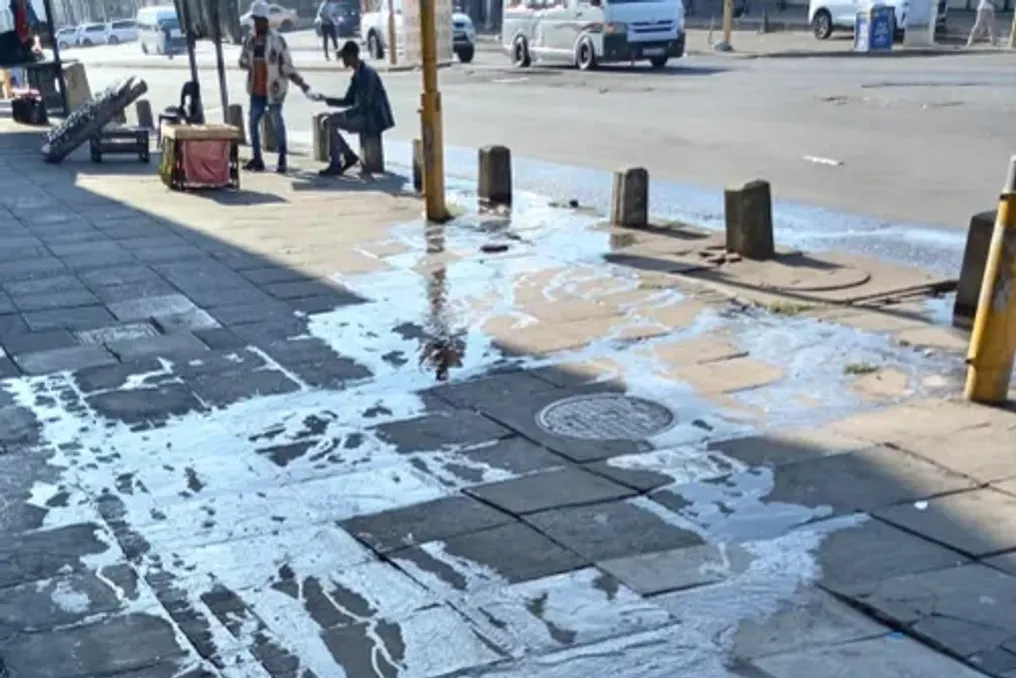
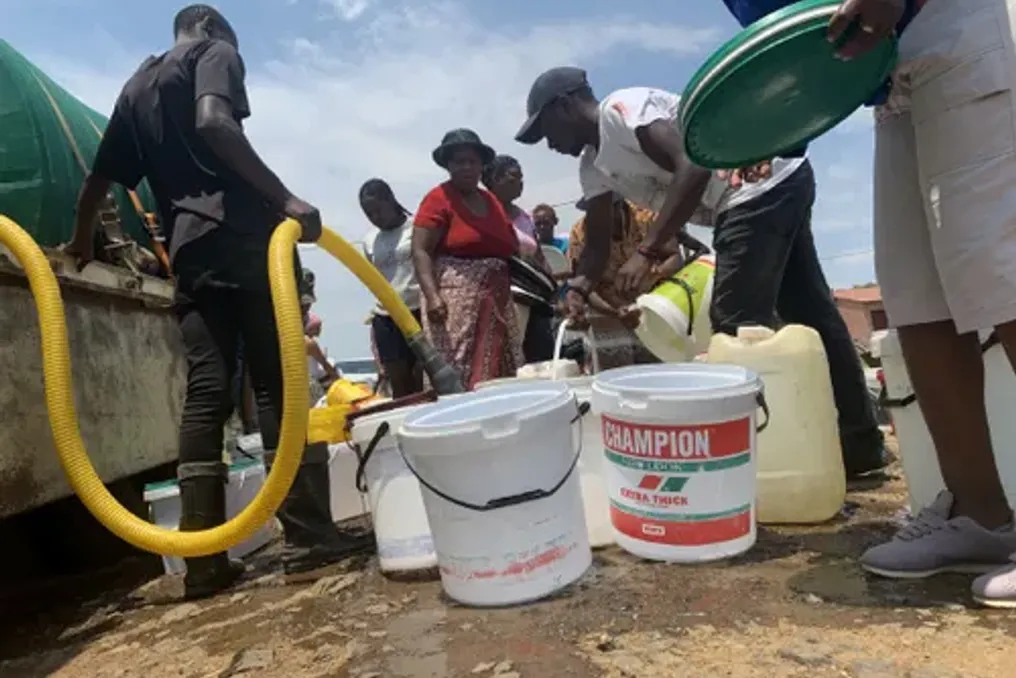
A gap has widened between municipalities that manage effectively and those facing constant difficulties. This results in many rural communities, informal settlements, and small towns experiencing unreliable water supply, deteriorating sanitation, and limited waste collection, according to independent consultant Dianne Davis.
Dianne Davis notes that South Africa's municipal services reflect both progress and increasing strain. She emphasizes that since 2015, millions of households have gained access to electricity, plumbing, and improved sanitation thanks to ongoing investments in vital infrastructure. However, for many citizens, the quality and reliability of these services are falling due to a combination of aging systems, inadequate maintenance, financial problems, and administrative complexities that cannot keep pace with population growth.
Financial Burden and Service Restoration
According to Davis, rising municipal tariffs increase the burden on households. Many families are forced to pay twice: once through municipal fees and service payments, and a second time for private alternatives such as solar panels, water tanks, boreholes, and security systems.
The independent consultant believes that South Africa's problem is no longer just about expanding access, but about restoring stable service delivery. This requires competent leadership, preventative maintenance, transparent financial management, and increased accountability. She adds that with the right reforms, the country possesses the necessary technical knowledge, institutional foundations, and examples of local success to create municipalities that provide reliable, affordable, and sustainable services to every household.
Water Crisis and Investment
According to Old Mutual Alternative Investments, the water supply issue in South Africa is simultaneously a revenue efficiency and infrastructure problem. The manager of private alternative investments argues that every lost liter reduces the municipal income needed to maintain the network from which the leaks originate. This leads to pipe weakening, reduced revenue, delayed repairs, and accelerated wear and tear.
The company points out that practical and measurable opportunities exist for investors here. It lists solutions such as smart metering, leak detection, pipe replacement, pressure management, and performance-based models that can help municipalities reduce losses and improve service delivery. In the water sector, some of the most attractive investment opportunities may lie in improving the efficiency of existing systems.
Structural Changes in Construction
Meanwhile, Christo Owen van der Reyde, an associate professor at the Faculty of Economics and Management Sciences at the University of the Free State, notes that the construction sector, long a cornerstone of capital investment in South Africa, is undergoing a profound structural transformation.
He cites data from Statistics South Africa (Stats SA) showing that the industry's contribution to GDP has fallen from 4.2% in 2008 to approximately 2.3%. Total output has decreased from 156 billion rand in 2016 to less than 100 billion rand. Van der Reyde also notes a geographical shift in activity: Gauteng's share of construction revenue has dropped from 39% in 2020 to 35%, while the Western Cape's share has risen to 24%, reflecting a change in regional investment dynamics.
Cycle of Hardship in Construction
In the expert's view, South Africa's construction sector is in a difficult situation: declining investment suppresses production capacity, criminal activity on sites deters capital, and job fragmentation limits household consumer spending. To change this trajectory, decisive steps are needed: eradicating extortion on construction sites, expanding public-private partnerships (PPPs) to mitigate risks in large projects, and supporting the growth of small and medium enterprises (SMEs) to ensure long-term economic sustainability.