The Department of Water Resources reported that despite plans to establish data centers in Cape Town, there is no need to panic. However, the municipality is obliged to inform residents that these centers will pay for their water consumption.
The Department of Water Resources reported that despite plans to establish data centers in Cape Town, there is no need to panic. However, the municipality is obliged to inform residents that these centers will pay for their water consumption.
Concerns and questions arose after the Municipal Tribunal of the City of Cape Town (MPT) supported the zoning change application for the construction of a hyperscale data center in the King Air Industria area. This application paves the way for two new data centers with a total area exceeding 120,000 square meters.
According to available data, the land use, subdivision, and consolidation application submitted by King David Country Club, which owns the territory, does not contain information on how much water the giant centers will consume, nor does it detail energy supply and demand.
Cape Town stated that the MPT approved the application, but it is subject to several conditions. The city also clarified that the official notification of the decision will be issued as soon as possible. Anyone who submitted a valid objection during the established public participation process will receive the decision and information on the appeal procedure.
If an appeal is filed, it will be considered according to the city's established appeal process before a final decision is made. If no appeal is filed, development cannot begin immediately. The city emphasized that the applicant must still obtain additional permits, including the submission and approval of a Site Development Plan. As part of this process, relevant city departments must assess detailed technical issues, including the provision of engineering services and infrastructure, before further permits are issued.
The city noted concerns regarding water usage, electricity demand, and environmental impact, stating that all these aspects 'are part of planning and regulatory processes and are considered in accordance with applicable legislation and technical requirements.'
During the flagship WISA 2026 Biennial Conference and Exhibition organized by the South African Water Institute (WISA), department representative Visane Mavasa stated that there is no need to panic, but municipalities must take responsibility. Mavasa explained that the department is responsible for raw water distributed among all industries and water users. Municipalities are among such users licensed to draw water from the system.
In the department's view, two applications for raw water use licenses for data centers mean that the demand is not excessive. She was also informed that research shows they do not use huge volumes of water, and this water is reused in their system. Therefore, in her words, 'there is no real need to panic.'
Mavasa added that data centers requesting water directly from the municipality must apply to the municipality, not the department. She stressed that they cannot avoid payment because there is a process to increase the water use license that they must request from the department. She urged water supply authorities and municipalities to educate their communities about the importance of data centers for national development, emphasizing the importance of disclosing the volume of water consumed and confirming payment.
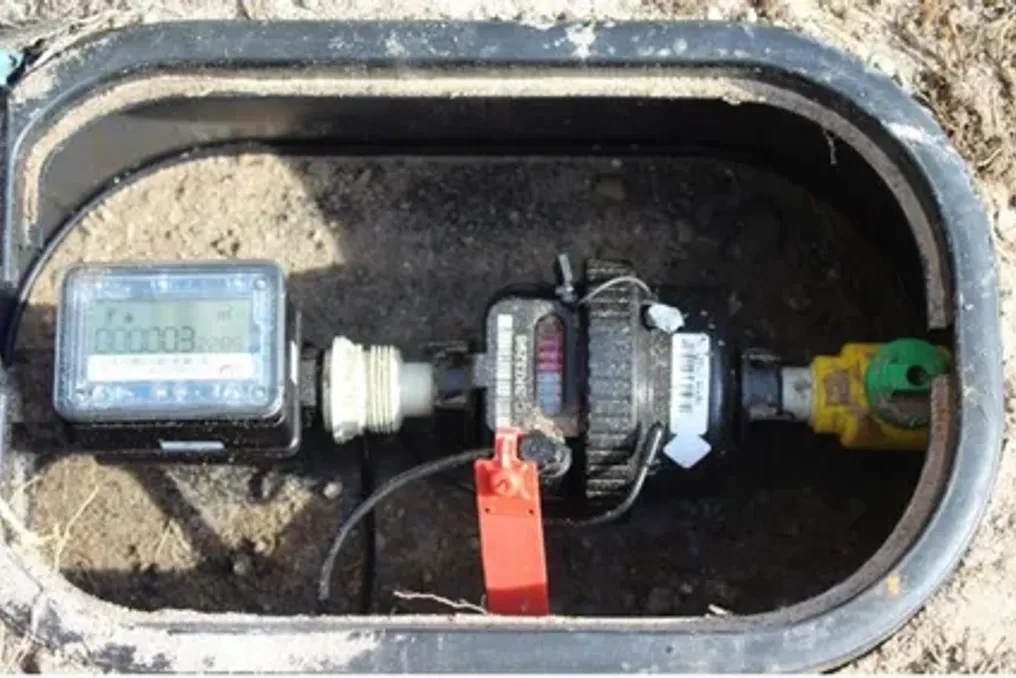
Ratepayer groups are questioning the fairness of sanitation tariffs in Cape Town, which are based on water meter sizes. Cape Town oversight bodies and ratepayer groups are once again criticizing the municipality's fixed water and sanitation charges, wondering who benefits from the latest tariff proposals and the decision to link fixed sanitation charges to the size of a property's water meter.
The civil organization STOP CoCT argues that while larger meters may justify higher fixed charges because they can supply a greater volume of water, this same principle does not apply to sanitation services. Sandra Dixon, founder of STOP CoCT, emphasized that water meters do not discharge wastewater from the property.
She explained that 'wastewater is discharged through a separate sewage connection. Sanitation costs depend on the volume of wastewater, the number of users, the capacity of the sewer system, and the type of effluent, not simply on the size of the drinking water meter.' Dixon noted that while it makes sense to link the fixed water charge to the meter size due to greater throughput, this argument is not applicable to sanitation.
Dixon provided examples indicating a disproportion: a property with a 25mm meter pays almost 2.8 times more in fixed sanitation charges than a property with a 22mm meter, and a 40mm meter attracts over seven times the charge. She asked: 'Where is the engineering or cost study that shows these properties generate 2.8 or seven times more fixed sanitation costs?'
In her view, using meter size to calculate the fixed sanitation charge is likely due to administrative convenience rather than an accurate reflection of sewerage costs. She demanded that the City explain the direct and proportional link between the size of the drinking water meter and the actual fixed cost of wastewater removal from that property.
In response to Dixon's comments, Mayco Finance member Siseko Mbandezi stated that the Council-approved water and sanitation tariff structure includes both a fixed and a volumetric charge, which are part of a single tariff. Mbandezi clarified that the fixed charge is intended to cover the constant costs of providing the service, while the volumetric charge compensates for costs related to water consumption and wastewater generation.
He reported that the majority of the costs for providing water and sanitation services are fixed, accounting for about 90%, with variable costs making up only 10%. To ensure affordability, fairness, and cost recovery, the City covers approximately 17% of these costs through fixed charges and 83% through volumetric charges. The purpose of the fixed charge is to cover the costs of maintaining and supporting the sanitation infrastructure, regardless of the volume of wastewater discharged.
Mbandezi added that using meter size as a basis for fixed charges is one of the established principles of municipal tariff setting both locally and internationally. The volumetric charge for sanitation reflects the actual wastewater generation and is currently calculated for residential properties based on 70% of measured water consumption according to the approved tariff.
Previously, the City announced the publication of amendments to its budget for 2026/27 for public consultation following a Western Cape High Court ruling regarding tariff structures. The proposed amendments, reviewed from May 27 to June 10, stipulated reverting fixed water and sanitation charges to the size of the water meter connection.
It should be noted that the South African Property Owners Association and co-owner AfriForum had previously successfully challenged municipal tariffs based on property value in the Western Cape High Court. In April, the court ruled that the City's fixed charges for refuse collection and sanitation were illegal and unconstitutional.
Residents of Cape Town who are qualified youth from South Africa are advised to begin preparing for the upcoming scholarship application period. Applications will open around August and September of this year.
Students across the metropolis are advised to start preparing now and study professions in areas where the city has an urgent need for specialists. When applications for 2027 open, forms can be obtained online or printed copies can be picked up at:
For additional information on selection criteria, applicants should visit the official Cape Town City website.
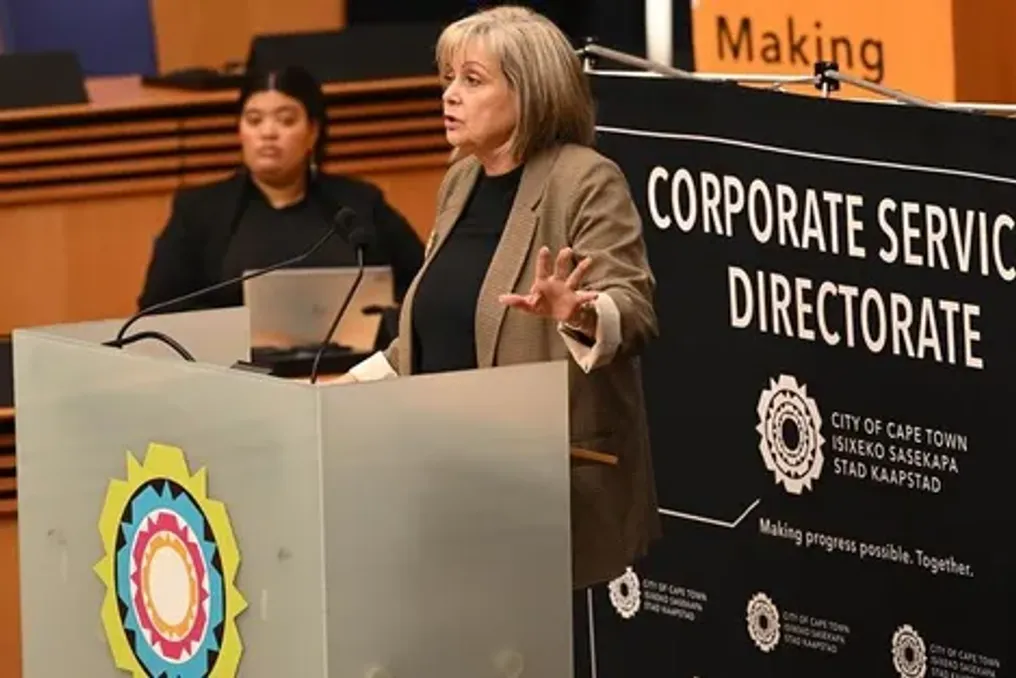
City Mayor Alderman Theresa Weiss emphasized that achieving overall progress depends on everyone's contribution. She particularly noted the importance of active youth participation in community life. Weiss stated: 'We also aim to invest in talent through our scholarships, internships, and career opportunities, because today's students are tomorrow's engineers, IT specialists, planners, leaders, and public servants who will help build the City of Hope and continue to change our community.'
Patrick Martinus from the City's Department of Learning and Development advised students to consider fields listed in the skills deficit list if they have not yet decided on a field of study. This list of professions includes: Accounting, Architecture, Auditing, Data Science, Economics, Engineering, Environmental Management, GIS, Information Technology, Law, Library Science, Project Management, Psychology, Supply Chain Management, Transport, Urban Planning, Water Resource Management.
Jude Tayes, an 11th-grade student from Bergville High School, described the visit as a very significant experience. He noted: 'We thank Alderman Theresa Weiss for this invaluable experience. It made us think about our goals and why we want to understand how the City works internally. This knowledge will shape our future career choices, knowing that Cape Town supports us.'