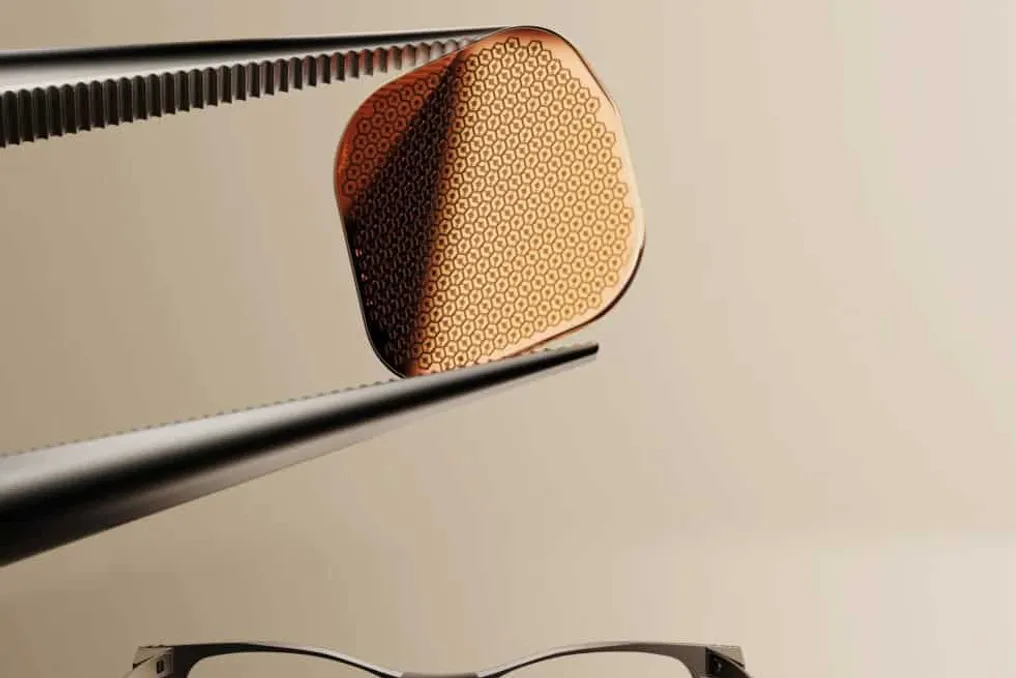
Science Corporation has received approval from a European medical device regulator for the commercialization of PRIMA—an eye implant designed to restore visual functions in people suffering from age-related macular degeneration.
Science Corporation has received approval from a European medical device regulator for the commercialization of PRIMA—an eye implant designed to restore visual functions in people suffering from age-related macular degeneration.
This technology, created by a company specializing in brain-computer interfaces, uses a small chip implanted on the back of the eye. Patients use glasses equipped with a camera that transmits images to the implanted device.
The approval in Europe is a significant step forward for the company founded by Max Hodak. Furthermore, it has received preliminary approval from the American regulatory body FDA to expedite future assessments concerning rare forms of blindness.
Age-related macular degeneration damages light-sensitive cells in the back of the eye, making tasks such as reading or recognizing faces difficult. PRIMA was created specifically for such cases, compensating for lost function through stimulation generated by the chip.
The procedure for installing the equipment takes about an hour and is performed on an outpatient basis. After implantation, the patient uses glasses with an integrated camera that captures the surrounding environment and sends visual information to the chip implanted in the eye.
According to Max Hodak, founder and CEO of Science Corporation, some trial participants have already been able to perform tasks that previously seemed impossible after losing sight. The company cites examples of patients who have learned to read large books, solve crosswords, and complete Sudoku again.
Hodak previously gained recognition as a co-founder and former president of Neuralink, Elon Musk's brain-computer interface development company. He left this company in 2021 to found Science Corporation with the goal of developing technologies that combine silicon electronic components with biological elements.
However, the company's strategy initially focuses on building a sustainable business based on vision restoration. Hodak believes that consolidated commercial activity is necessary to fund more advanced biohybrid interface projects.
Science Corporation reached its current level of development after acquiring Pixium in 2024. Pixium is a French company responsible for creating the PRIMA technology. This acquisition allowed Science Corporation to leverage its own platform to improve documentation, processes, and prepare the device for commercial release.
Each PRIMA unit will cost hundreds of thousands of dollars. Science Corporation and its European medical partners are still discussing reimbursement models with healthcare systems while organizing the start of treatment offerings in Germany, where clinical trials were conducted.
The company also plans to expand the capabilities of the equipment using new chips and improved versions of glasses for patients. The goal is to bring the device's appearance closer to commercially available augmented reality glasses, although the medical technology requires more energy and computational power.
In addition to the eye implant, Science Corporation is collaborating with Murat Günel, Head of Neurosurgery at the Yale School of Medicine, to prepare trials on humans with a directly implanted biohybrid brain sensor.