NASA is preparing for Artemis III, one of the most intricate space operations in its history, scheduled for 2027. This mission aims to transport four astronauts into Earth orbit, allowing for the testing of integration between three different spacecraft before the next steps toward the lunar surface.
Structure and Launch Site
The flight will be executed from the Kennedy Space Center and the Cape Canaveral Space Force Station, located in Florida. The operation will involve the Space Launch System (SLS) rocket, the Orion capsule, and the commercial modules Starship, provided by SpaceX, and Blue Moon, from Blue Origin.
Main Objectives of the Mission
The central focus of Artemis III is to validate the procedures for rendezvous, docking, and joint operation among these distinct space systems. This process establishes the necessary foundation for the future crewed landing attempt on the Moon, which is scheduled for Artemis IV.
Orbital Operational Sequence
Artemis III marks a substantial change in the methodology for conducting deep space crewed missions. Unlike the Apollo flights, which had a more direct structure, this new program relies on a coordinated sequence of vehicles developed by various entities.
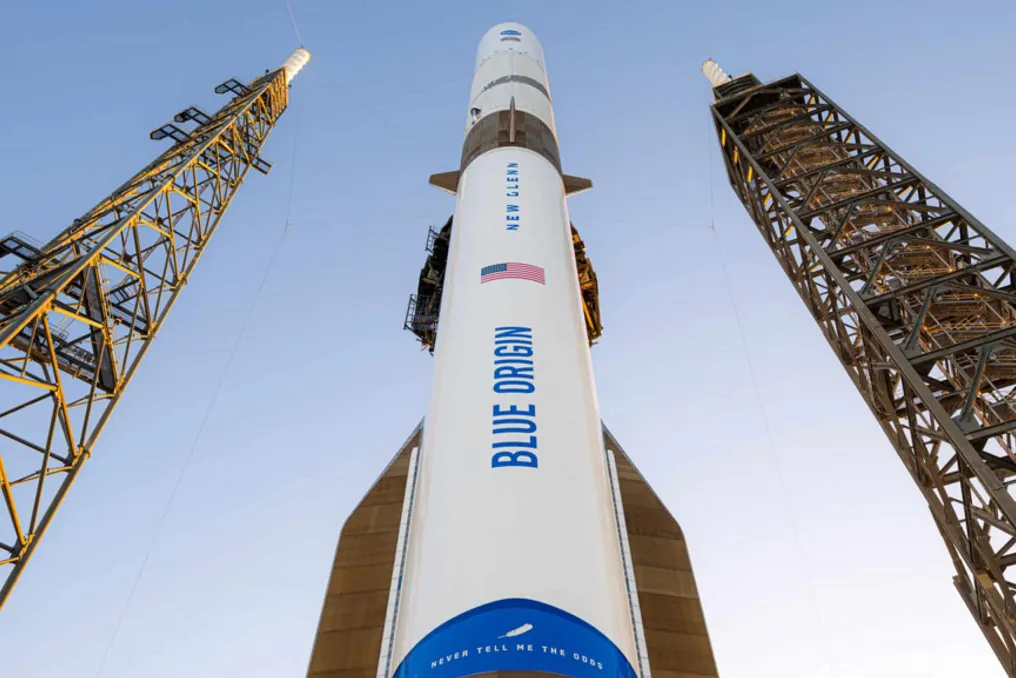
Initially, Blue Moon is expected to reach low Earth orbit using Blue Origin's New Glenn rocket. The module will remain in space for up to thirty days, a period that allows the company and NASA to inspect its systems before the crew arrives.
Subsequently, the SLS will launch from Launch Complex 39B at the Kennedy Space Center, carrying the Orion capsule with the four crew members. In Earth orbit, the NASA spacecraft will make contact with Blue Moon and maintain connection for about two days.
System Testing and Integration
During this phase, two astronauts will enter the lunar module to check environmental, avionics, and compatibility systems between the two spacecraft. A test spacesuit will also be carried, designed to replicate the equipment that will be used in future activities on the lunar surface.
The schedule also includes an approach with Starship, the SpaceX vehicle that will have a modified version for lunar missions. The link between Orion and Starship will be used to evaluate communication and maneuvers between the two structures in orbit.
Future Development and Challenges
SpaceX continues to work on adapting Starship to an operational system that meets NASA's requirements for crewed travel to the Moon. Although the vehicle has conducted test flights, it is still under development and needs to prove crucial technologies, such as in-space refueling.
The architecture planned for subsequent missions depends on the ability to perform propellant transfers in orbit. For Artemis IV, NASA anticipates the need for multiple launches of supply spacecraft to prepare the lunar Starship before the journey.
Coordination and Historical Precedents
Jeremy Parsons, Artemis Program Manager, emphasized that the mission will require unprecedented coordination among teams, launch infrastructures, and private partners. Parsons stated in a NASA update released in July that Artemis III would be a 'highly choreographed dance, with a demanding sequence of launches and operations equally complex for our ground and flight crews.'
The proposed experience has few parallels in space history. NASA material points out that only one previous crewed mission made rendezvous with more than one vehicle capable of sustaining its own crew: the Soviet Soyuz T-15 in 1986, which involved the Salyut 7 and Mir stations.
Confidence and Next Steps
Despite the advanced plans, the vehicles still face development phases. Blue Origin is dealing with challenges following an incident during New Glenn engine tests, while SpaceX continues to refine Starship to meet the necessary criteria.
Steve Creech, NASA's Human Landing System Program Manager, clarified that the tests with commercial vehicles aim to build confidence before any crewed landing mission. Creech stated in a mission update that 'SpaceX and Blue Origin have presented ambitious goals to complement uncrewed demonstrations and expand our understanding and confidence in the spacecraft and rockets before a crewed landing.'
If Artemis III achieves its proposed objectives, NASA will use the acquired knowledge to advance Artemis IV, a mission intended to return astronauts to the lunar surface more than five decades after the end of the Apollo program.