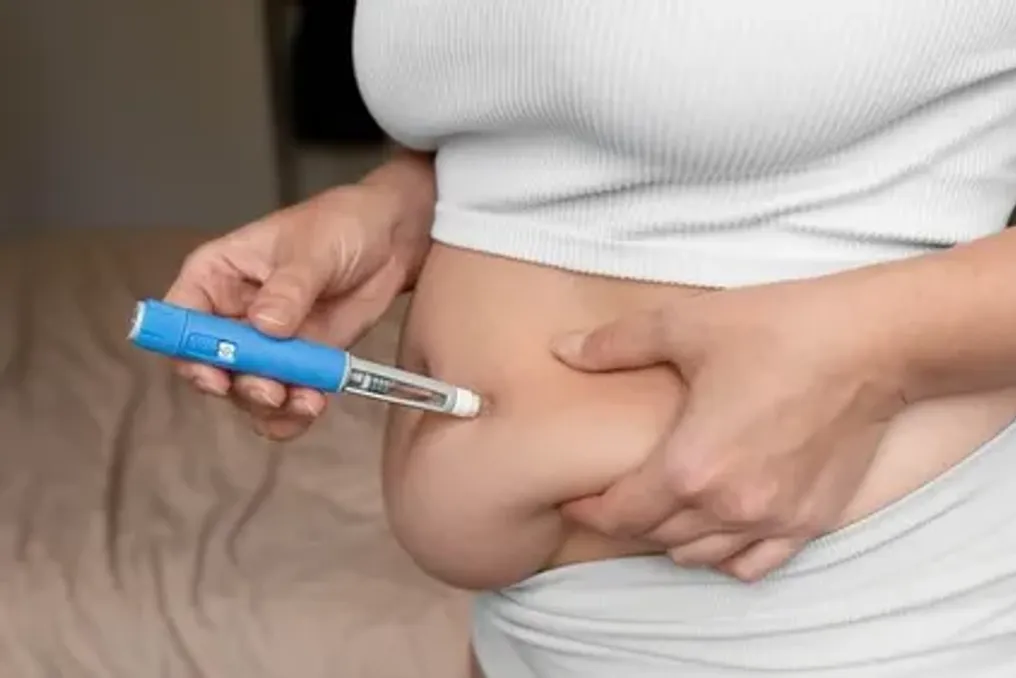
As the popularity of injectable weight-loss drugs grows, healthcare professionals remind residents of South Africa that the origin of the medication can be as significant as its composition. A more affordable version of the semaglutide molecule, used in the drug Ozempic, will soon be available in South Africa, and this is related to goals that go beyond just the weight loss trend.
Launch of a More Affordable Drug
Starting July 27, Novo Nordisk South Africa, in collaboration with Acino, which is part of Arcera, will release an authorized and more budget-friendly version of the well-known semaglutide molecule. The companies stated that this initiative aims to expand access to treatment for people suffering from type 2 diabetes.
Despite the widespread coverage of Ozempic on social media, there is a serious and quiet crisis in the healthcare sector behind this hype. Over 2.3 million adults in South Africa, accounting for about 7.2% of the population, live with type 2 diabetes, and access to this medication is a daily necessity for them, not a matter of appearance.
Scientific Origin and Registration
The scientific basis of this drug has a fascinating history. Decades ago, scientists studying blood sugar regulation discovered a unique peptide in the venom of the Gila monster, a slow-moving desert lizard. This natural compound perfectly mimicked human gut hormones, slowing digestion and signaling satiety to the brain. Today, this advanced science is embodied in semaglutide.
The product is registered by the South African Health Products Regulatory Authority (SAHPRA). According to a press release, it is manufactured using the same active pharmaceutical ingredient, manufacturing process, and delivery device as the original semaglutide drug. It is important to emphasize that this is not some mysterious 'Ozempic alternative' bought through social media or an unverified online seller, but an authorized copy created by the original manufacturer to provide the same expected benefits at a lower price.
Importance of Safety and Access
Demand for semaglutide, GLP-1 class drugs, and weight-loss injections is rapidly increasing, while issues of availability, cost, and supply remain highly relevant. Although the drug naturally aids in weight control, SAHPRA emphasizes that its primary registered use in South Africa is for diabetes management and cardiovascular health protection.
Sarah Northcross, General Manager of Novo Nordisk South Africa, stated: 'We are proud to introduce an affordable, authorized copy of semaglutide to help expand access for patients across South Africa.' She added that 'this launch reflects our ongoing commitment to advancing changes in the prevention and treatment of serious chronic diseases.'
What is an Authorized Copy?
An authorized copy differs from a random generic, unregulated compounded drug, or a product purchased from an online seller claiming to contain semaglutide. Novo Nordisk asserts that this authorized copy uses the same SAHPRA-registered active pharmaceutical ingredient, manufacturing process, production lines, and delivery device as the original semaglutide product.
This is significant because SAHPRA has repeatedly warned South Africans about counterfeit, substandard, and unauthorized GLP-1 products sold through websites, social media, and unofficial channels. The regulator warns that goods acquired outside the legal supply chain may contain incorrect amounts of active substance, harmful impurities, a complete absence of the active component, or non-sterile material unsuitable for injection.
Cases of law enforcement have also been recorded in South Africa regarding the illegal manufacture and distribution of unregistered GLP-1 and GIP medications, including products advertised for weight loss. Thus, while the phrase 'cheaper semaglutide' naturally attracts attention, the safety message is equally important: a lower price does not mean purchasing from an unverified source.
John Norman, Regional Managing Director of Acino Africa, noted: 'Acino is fully committed to Novo Nordisk's dedication to improving patient well-being by increasing access to this vital treatment.' He continued: 'This collaboration supports Acino's long-term goal of expanding access to high-quality medicines where they are needed most by patients.'
For ordinary South Africans, the question is no longer whether semaglutide will remain part of medical discussions, as this is obvious. The more important question is whether the next chapter of the GLP-1 revolution can move beyond social media, celebrity weight loss stories, and expensive private prescriptions, becoming safer and more accessible for people who genuinely need medical treatment. Patients should not start, stop, or change semaglutide treatment without consulting a qualified healthcare professional. SAHPRA advises obtaining semaglutide medications only through licensed healthcare providers and pharmacies.
} , 2. {