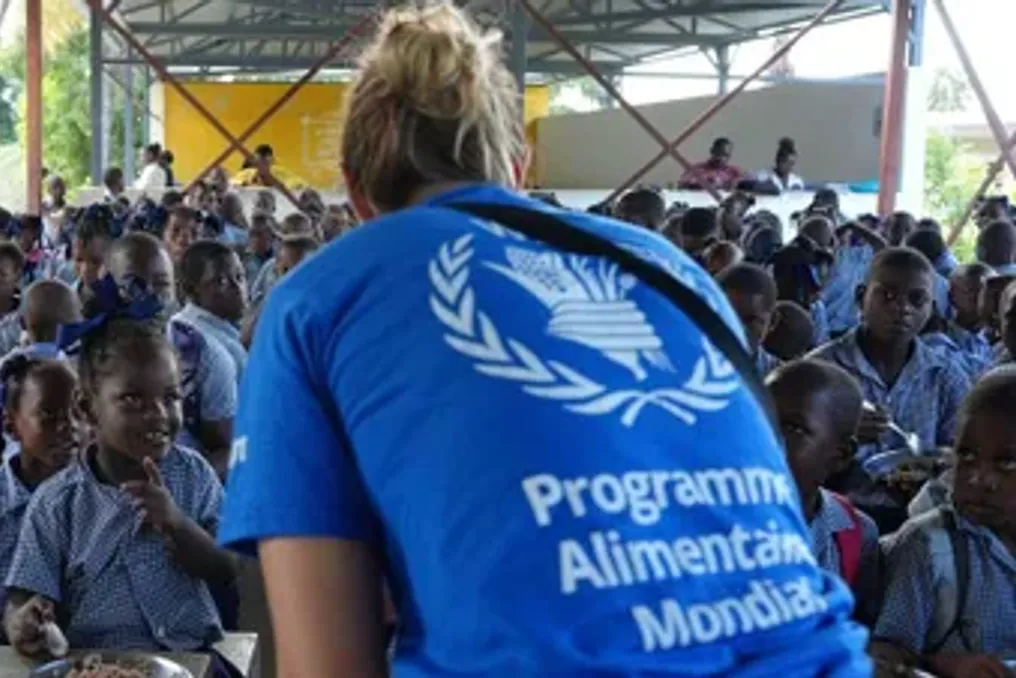
According to the latest United Nations report on global food security, Africa is now the region with the highest number of hungry people in the world, surpassing Asia. In 2025, the continent faced a severe hunger problem affecting 309 million people.
Food Security Situation
Popular
The report, jointly prepared by the Food and Agriculture Organization (FAO), the International Fund for Agricultural Development (IFAD), UNICEF, the World Food Programme (WFP), and the World Health Organization (WHO), presents a mixed picture of the situation on the continent. Estimates suggest that in 2025, 7.8% of the world's population suffered from hunger, amounting to about 645 million people. This figure is a decrease compared to 8.1% in 2024 and 8.6% in 2022, indicating a reduction in the number of hungry people by almost 14 million compared to 2024 and by 43 million compared to 2022.
Although the level of hunger in Africa showed signs of stabilization after a period of deterioration, the continent remains the most vulnerable to food shortages globally and is expected to bear the greatest burden of hunger by the end of the decade. In 2025, according to the report, approximately one in five Africans, or 20% of the continent's population, faced hunger. For comparison, hunger affected 6% of Asia's population and 4.8% of Latin America and the Caribbean residents.
Global Trends and Risks
The report noted that although global hunger has been decreasing for the third consecutive year, Africa's share among the world's hungry population continues to grow. Maxime Torero, FAO Chief Economist, stated that ongoing geopolitical instability, including the conflict in the Middle East in 2026, could undermine recent progress by disrupting food markets and increasing pressure on Africa and Asia. He predicts that by 2030, up to 510–520 million people worldwide may still face hunger, depending on the duration of the crisis's impact on food inflation, which is driven by rising energy and fertilizer prices.
Torero also emphasized that this year's study examined the cost of healthy eating as a major reason for the significant rise in obesity and overweight among adults, as a healthy diet remains unaffordable for billions of people today.
Positive Aspects and Financial Barriers
Despite the grim forecasts, the report noted an encouraging point: 'the continuing upward trend of hunger in Africa has stopped,' indicating the first improvements on the continent since the adoption of the Sustainable Development Goals in 2015. However, the report warns that healthy food remains financially inaccessible to a large part of the African population. In 2025, about 66.6% of Africans could not afford a healthy diet, more than double the corresponding figures for Asia (28.9%) and Latin America and the Caribbean (25.7%).
The average cost of a healthy diet in Africa in 2025 reached $4.35 USD on a purchasing power parity per person per day, reflecting persistent inflationary pressure and rising food prices. Structural factors contributing to the high cost of nutritious food in African countries include low agricultural productivity, inadequate transport infrastructure, weak logistics networks, expensive electricity, limited cold chain facilities, and insufficient investment in agricultural research and development.
Torero noted that subsidizing and supporting high-value goods leads to a reduction in the cost of healthy food. He concluded that a combination of policies investing in hard infrastructure, necessary at both the value chain and market access levels through roads, and policies aimed at reducing the cost of high-value goods will enable a reduction in the cost of healthy food.
Nutrition and Health Issues
Animal products are the most expensive component of a healthy diet in Africa, making balanced nutrition particularly difficult for low-income households. Nutritional indicators are also concerning: only 20.5% of African children aged six to 23 months receive a minimally diverse diet, and only 43% of women aged 15 to 49 achieve minimal dietary diversity—the lowest rate among all global regions. Although Africa is making progress in reducing child stunting and is on track to meet global goals on child malnutrition and overweight, anemia among women continues to worsen globally, and overall nutritional improvement is too slow to meet international targets by 2030.