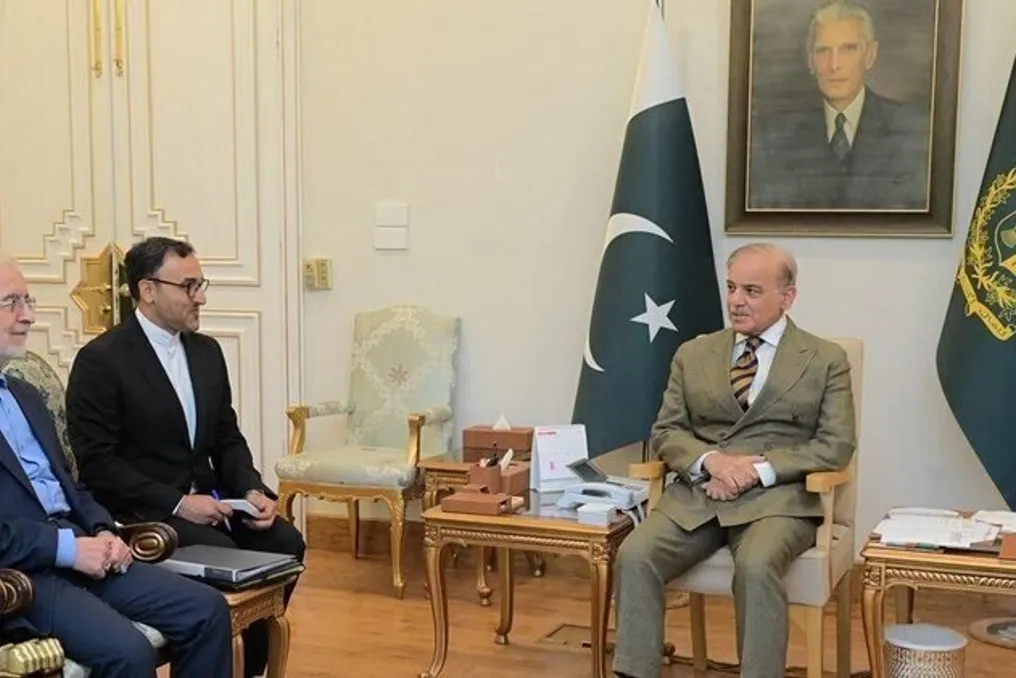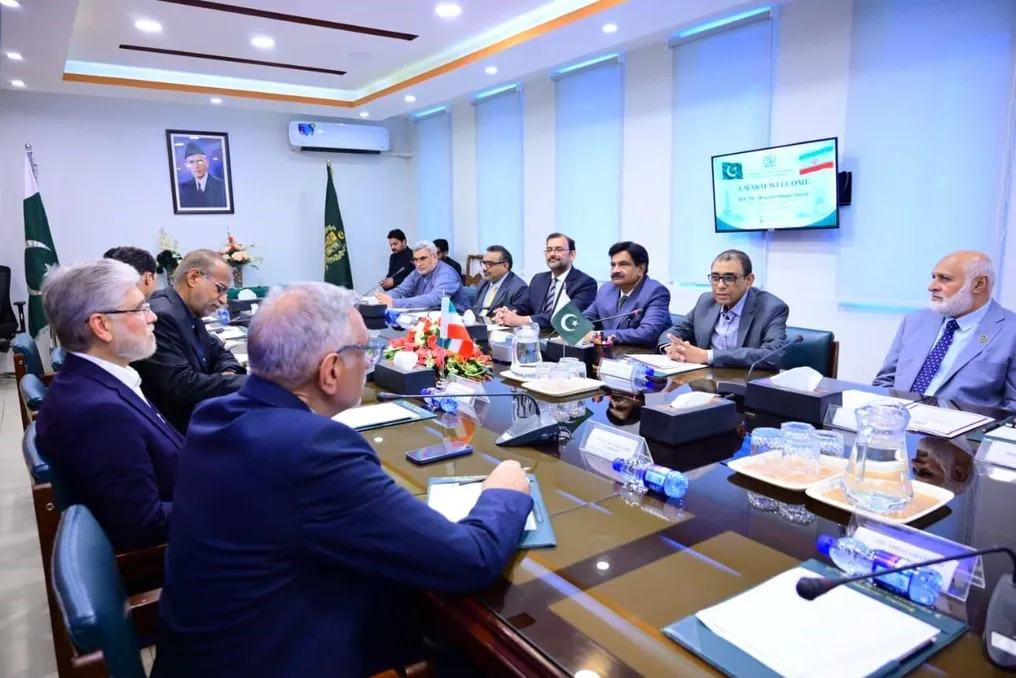
At a meeting in Islamabad, Pakistan's Minister of Federal Education and Professional Training, Khalid Maqbool Siddiqui, emphasized the importance of bilateral ties between Iran and Pakistan, stating Islamabad's readiness to activate scientific and technological diplomacy with Tehran.
Meeting at the ECO Summit
The Pakistani official met with Iran's Minister of Science, Research and Technology, Hossein Simai-Sarraf, on Tuesday during the 6th meeting of the Economic Cooperation Organization (ECO) Ministers in Islamabad. Both sides acknowledged the growing pace of bilateral educational cooperation and confirmed their intention to expand institutional partnership for the mutual benefit of students, researchers, and academic circles.
Discussions focused on strengthening interaction in areas such as teacher training, curriculum development, digital education, artificial intelligence, educational technologies, technical and vocational education, joint research projects, as well as the exchange of faculty and students.
Agreements and Future Steps
Participants expressed satisfaction with the successful implementation of existing Memoranda of Understanding (MOU) between higher education institutions of Pakistan and Iran, including the National University of Modern Languages (NUML). They also called for similar cooperation between other universities and research organizations.
Other topics discussed included promoting joint research projects, holding scientific conferences, establishing innovative partnerships, and providing scholarships to strengthen academic ties and knowledge exchange. Siddiqui noted that Pakistan intends to implement the decisions made by the joint education commission with Iran, realizing the common vision of both countries into practical results.
He stressed that the long-standing fraternal relations between Iran and Pakistan are a key factor in maintaining institutional interaction in solving common educational problems and developing science.
Iranian Side's Position
For his part, Simai-Sarraf stated that expanding cooperation between the higher education and scientific institutions of the two countries would deepen relations and contribute to regional development through innovation, research, and academic interaction. Both sides agreed to maintain close coordination between their ministries and scientific-technological institutions, and to explore new areas of cooperation to strengthen public ties, improve academic interaction, and promote sustainable development through education, science, and research.
The Minister of Science was scheduled to attend the meeting of the ECO Science Fund Board of Trustees and deliver a keynote speech at the 6th ECO ministerial meeting. The agenda also included the election of the next president of the ECO Science Fund, currently held by Kamel Tayebi from Iran.
Additional Meetings and Initiatives
As part of his three-day visit, Simai-Sarraf will also meet with Pakistan's Minister of Science and Technology and the Chairman of the Higher Education Commission (HEC), visit several leading universities in Islamabad, tour the ECO Science Fund, and hold discussions with Persian language professors.
Working Group and Cultural Ties
During the 7th Turkish Educational Technology Summit (TETZ 2026), held in Istanbul from June 26 to 28, the State Minister of Pakistan's Ministry of Federal Education and Professional Training, Wajeeha Qamar, met with Simai-Sarraf and proposed the creation of a joint scientific working group. Qamar stated that Iran's recent achievements on the international stage inspire many countries, including Pakistan, citing ISNA.
Emphasizing the emotional, spiritual, historical, and cultural bonds between the two nations, the official stated: 'Pakistan will support Iran in its initiatives and actions, and relations between Tehran and Islamabad will remain strong and stable based on these commonalities.' She added that both sides need to develop cooperation to fully utilize each other's potential.
Qamar also noted that deep linguistic, religious, and civilizational ties will facilitate the development of cooperation. Referring to Iran's scientific and educational achievements, she said that Pakistan can benefit from Iran's valuable experience in the sectors of skills training, agriculture, construction, and manufacturing.
Simai-Sarraf, in turn, noted that the current scientific, academic, and technological cooperation between Iran and Pakistan does not fully match the capabilities of both sides. He also highlighted the need to establish departments of Persian and Urdu languages in the respective countries. The Minister of Science announced the readiness of Sistan-Baluchestan University to accept Pakistani students, emphasizing its scientific potential.
Meeting in Uzbekistan
At the 43rd session of the UNESCO General Conference in Samarkand, Uzbekistan, from October 30 to November 13, 2024, Simai-Sarraf met with Pakistan's State Minister of Federal Education, Wajeeha Qamar. During this meeting, both sides emphasized the cultural and civilizational ties between the countries and called for the expansion of scientific, academic, and educational cooperation. The Pakistani minister highly praised Iran's achievements in technology and digital transformation. In turn, Simai-Sarraf expressed the country's readiness to share scientific and technological experience with Pakistan.