Zhongji InnoLight, a company that manufactures optical components for data centers (DCs) in the artificial intelligence sector, has begun the fundraising process for its listing. The offering is expected to take place on July 30th.
Zhongji InnoLight, a company that manufactures optical components for data centers (DCs) in the artificial intelligence sector, has begun the fundraising process for its listing. The offering is expected to take place on July 30th.
Shenzhen-listed Zhongji InnoLight stated in a market report its intention to raise up to HKD 55 billion, equivalent to USD 7 billion, on the Hong Kong Stock Exchange. This potential deal size could be the largest share sale in the city in nearly seven years.
This event is part of a recent wave of major debuts by Chinese AI-related companies in Hong Kong, indicating optimism regarding China's ambitions in this industry.
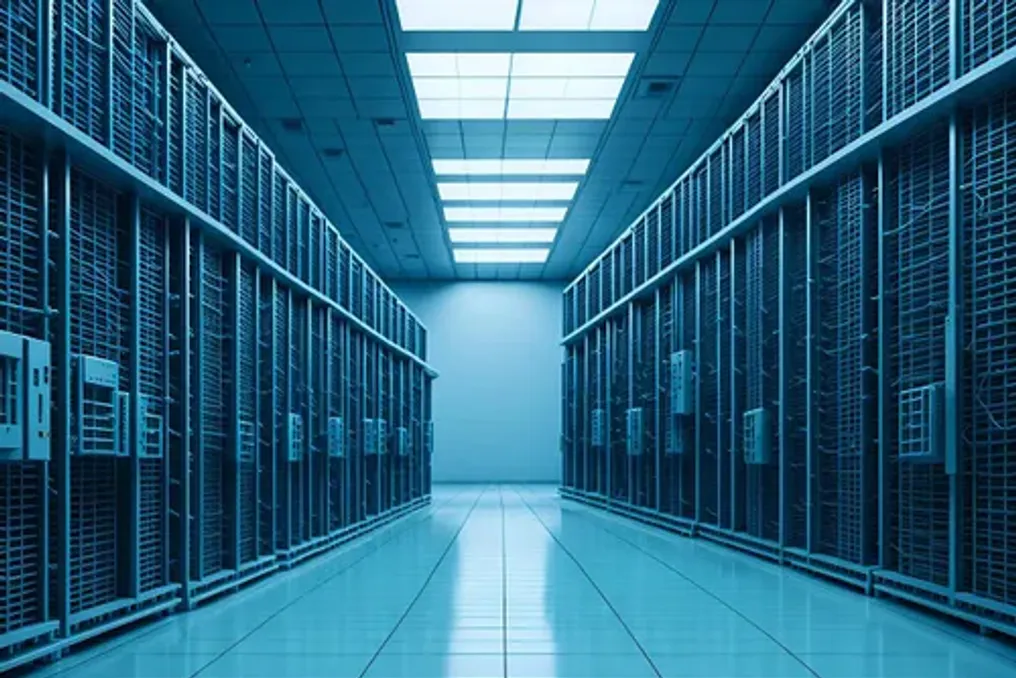
According to the listing documentation, Zhongji InnoLight is a global leader in the production of optical transceivers. These devices are critical for AI data centers as they convert electrical and light signals into each other to transmit large volumes of digital information via fiber optics.
China and the United States are in active competition for dominance in the rapidly developing field of AI, which stimulates the large-scale global expansion of data centers—facilities filled with computer servers.
As part of the offering, Zhongji InnoLight is offering 54.5 million shares at a price of up to HKD 10.10 (USD 1.29) per share.
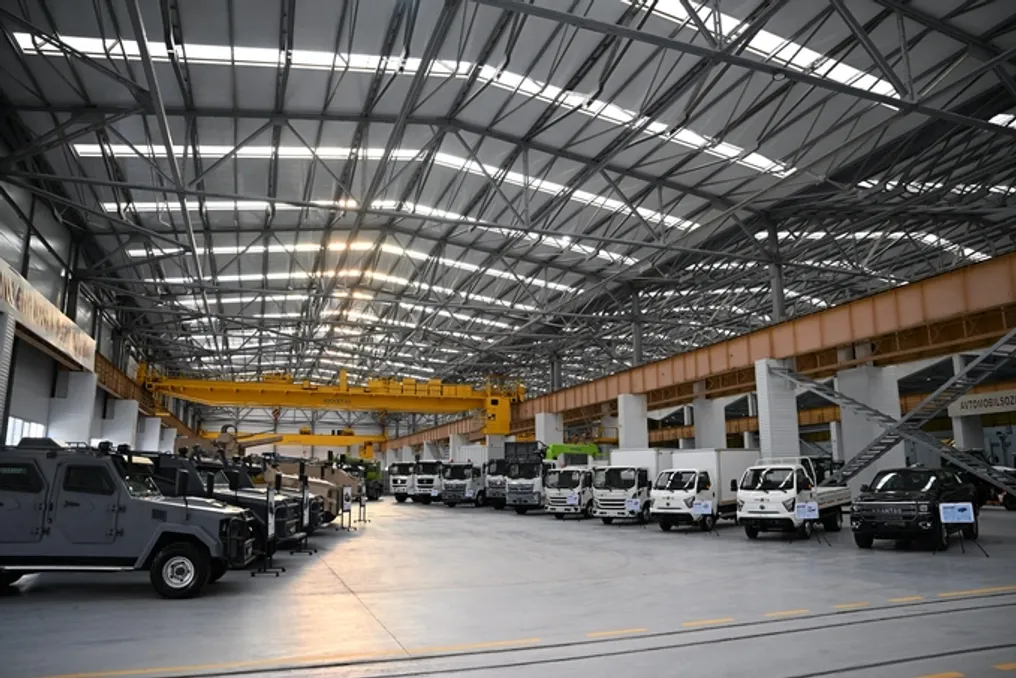
The President of Uzbekistan, Shavkat Mirziyoyev, visited the 'Nurafshon Maxsus Tekhnika' enterprise in Nurafshan on July 22. This facility produces special vehicles, military equipment, and various mechanisms under the KRANTAS trademark.
This enterprise was established on a 25.8-hectare site as part of an investment project valued at 50 million dollars. Over 300 highly qualified employees work at its base. Equipment and technologies imported from countries such as the USA, Germany, Italy, Sweden, Russia, China, and Turkey were used to ensure production.
During its operation period, the enterprise has produced approximately 2500 tons of metal structures, over 300 automotive bodies, more than 200 chassis, and 20 tractors. In the previous year, the company supplied customers with equipment and mechanisms worth 275 billion soms.
The company is actively working to increase the volume of production that replaces imports. For further expansion, the construction of a new plant on a 10-hectare plot in the Yangihaot district of Tashkent is planned. This project is expected to achieve a level of production localization of 15–18 million dollars annually.
The head of state carefully examined the production processes, finished products, and applied technological solutions. During discussions with engineers and industry representatives, the president addressed issues of increasing the level of localization, strengthening industrial cooperation, and increasing the output of high value-added products.
According to the register of legal entities, 'Nurafshon-Maxsus-Texnika' was officially registered on February 21, 2019, in Nurafshan, Tashkent region. The company's main activity is the manufacturing of motor vehicles. The enterprise is classified as large, and its charter capital amounts to 1 billion soms. Nuriddin Alimov is appointed as the company's manager. The founders are Khojyakbar Karimov (with a 51% stake) and Akmal Karimov (with a 49% stake).
Previously, in January 2021, the project for producing military and special equipment in Nurafshan was presented to the president. At that time, the estimated cost of the project was 55 million dollars, and production was planned for a 12-hectare area with the support of the National Bank of Uzbekistan. Initially, the first stage planned to produce 100 light armored vehicles of the Tarlon and Qalqon models annually. The second stage included launching the production of tankers, trucks, tractors, fire and snow removal vehicles, as well as garbage trucks. At that time, the projected localization level was estimated at 50%, and annual exports at 5 million dollars, with a project payback period of five years. The initial founders of Nurafshon-Maxsus-Texnika listed in the register were Krantas Group (72% stake) and To‘ytepa Metall Qurilmalari (28% stake).
A new study conducted in Sweden analyzed the health of batteries in various electric vehicles, investigating wear after traveling approximately 100 thousand kilometers. The research, which covered nearly 10 thousand battery health tests, indicated that the level of deterioration is lower than what the public fears.
According to the platform Carla, the best-rated electric cars in the survey still retain over 95% of their original charge capacity after reaching the 100 thousand km mark. The data was compiled between 2022 and 2026, using used vehicles available in the Swedish market and diagnosed by the Austrian company Aviloo.
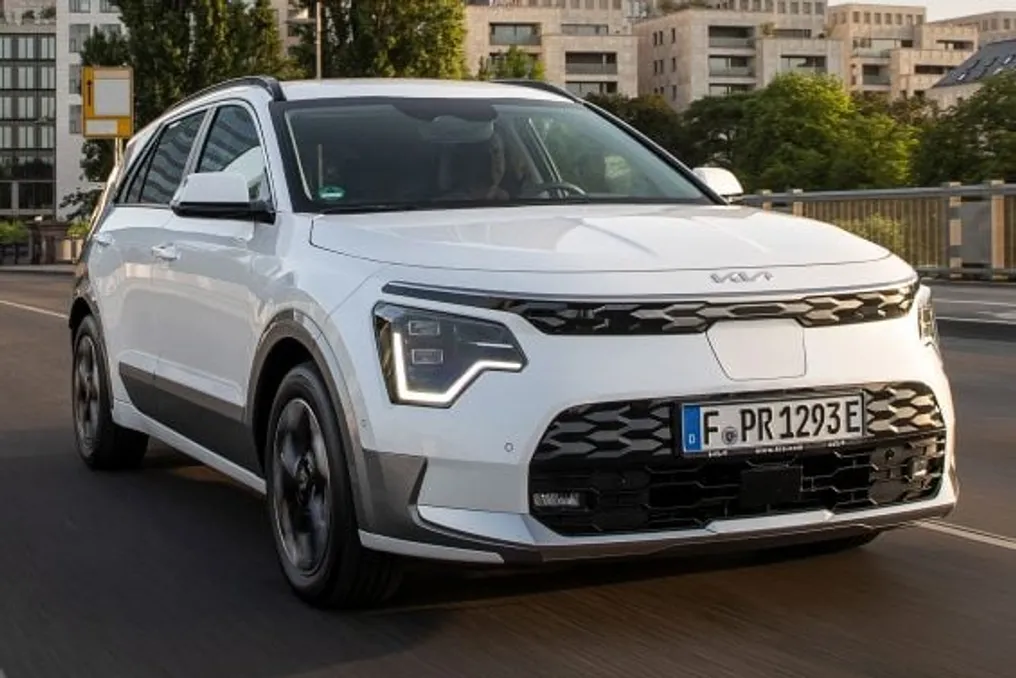
Among the models that achieved the best results, the Kia e-Niro (64 kWh version) stands out with 97.25% health, and the Hyundai Kona Electric (also 64 kWh) registered 97.18%. Even the Volkswagen ID.3, ranked among the top twenty, managed to preserve 91.79% of its capacity.
It is important to note that the survey did not include Chinese manufacturers, despite them currently leading electric vehicle sales in Brazil. The study demonstrated that both the chemistry and the supplier of the cells significantly influence performance. For example, in the Tesla Model 3, versions equipped with cells from the Chinese company CATL showed 93.3% health, while those with batteries from the Japanese Panasonic were at 88.2%.
According to scientific reviews published in journals such as the Journal of the Electrochemical Society, every lithium-ion battery undergoes aging through two main pathways. The first is the time factor, where an insulating layer called SEI forms on the electrode, trapping lithium and reducing usable charge. The second pathway is usage, as each recharge cycle generates microcracks in the electrodes, and conditions such as cold or fast charging can lead to the deposition of metallic lithium. Furthermore, increased temperature accelerates all these wear processes.
To mitigate this loss of capacity, most battery packs have a hidden capacity reserve, since the 100% indicator on the dashboard does not represent the real physical limit of the cells. Other strategies include thermal management, often with liquid cooling, software that controls current and temperature, and the recommendation to keep the charge between 20% and 80% in nickel chemistries. LFP batteries, being more stable, support 100% charging without the same level of stress. This concern is reflected in US legislation, which requires a minimum warranty of eight years or 160 thousand kilometers for the battery pack.
For consumers interested in purchasing a used electric vehicle, the study offers clear guidance: performing a battery health test is as crucial as checking the mileage and year of the car.
The Council of the European Union announced that Ukraine can use the approved funding to acquire defense equipment produced by companies based in the United Kingdom. This amount is added to the support already established for members of the European bloc and other accredited third countries.
The inclusion of the United Kingdom in this loan was validated because the country meets the three requirements set for third nations: it has committed to providing a fair and proportional financial contribution to the costs of the loans, has established a security and defense partnership with the EU, and already provides considerable military and financial support to Ukraine.
Once the decision is officialized and published in the Official Journal of the EU, it will come into force. So far, €8.1 billion has been released under this scheme, with €3.2 billion allocated for budgetary assistance and approximately €4.9 billion for defense purposes.
For the year 2026, the Commission plans to disburse a total of €28.3 billion from the €60 billion defense package, aiming to strengthen Ukraine's defense industrial capacity.
The €90 billion loan granted to Ukraine for this year and 2027 aims to ensure the country has the stable financial support necessary, covering both budgetary support and military expenses.
Since Russia's invasion of Ukraine on February 24, 2022, Kyiv has received financial and military aid from its Western allies. Furthermore, these partners have imposed sanctions on crucial sectors of the Russian economy in an attempt to reduce Moscow's ability to finance its war effort in Ukraine. The Russian military offensive on Ukrainian territory has placed Europe in a security situation considered the most serious since the Second World War (1939-1945).