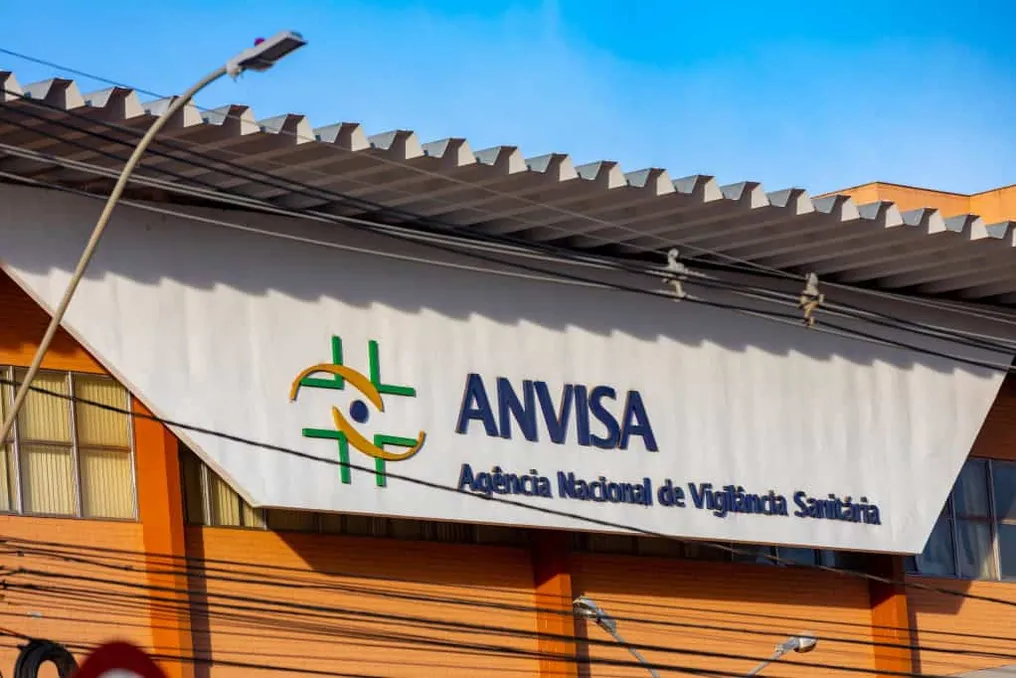
The National Health Surveillance Agency (Anvisa) has ordered the withdrawal from the market of an olive oil and several sweets after identifying issues related to their origin, manufacturing, and lack of proper regularization.
The National Health Surveillance Agency (Anvisa) has ordered the withdrawal from the market of an olive oil and several sweets after identifying issues related to their origin, manufacturing, and lack of proper regularization.
Anvisa ordered the seizure of all batches of San Oliveto extra virgin olive oil, which implies a ban on its production, importation, distribution, advertising, and use. According to the agency, this oil had an unknown origin and also failed a conducted analysis test.
Additionally, Anvisa pointed out that the company listed on the label as responsible for distribution and importation, Comercial Alimentícia e Cerealista Vale do Carioca Ltda., has had an invalid CNPJ since June 23, 2026, and maintains an unknown address.
In a separate resolution, the agency vetoed the production, commercialization, and distribution of sweets from the Fatti a Mano brand. This action was taken because these food items were being produced and sold without complying with the regulations required by the competent body, and the production site did not have an operating license.
The affected products include white cocada, passion fruit cocada, dulce de leche, palha italiana, brigadeiro, pé de moleque, in addition to coconut dulce de leche, jackfruit sweet, beijinho, Fatticoco (milk with coconut), and pé de moça.
With these determinations, the scrutinized items cannot be sold, distributed, or manufactured until all irregularities are rectified. While San Oliveto olive oil faces restrictions on importation and publicity, the halt in the production of Fatti a Mano sweets is due to the lack of regularization and inadequate licensing of the establishment.
These measures are part of Anvisa's inspection work, aiming to prevent the circulation of products that do not meet the sanitary standards established for commercialization in Brazil.