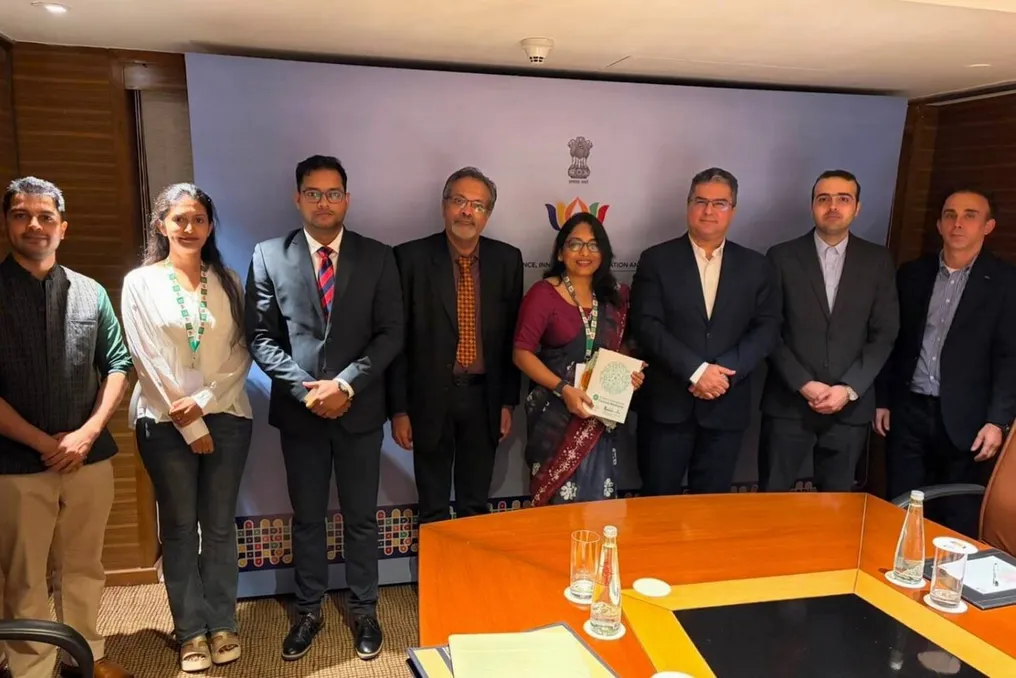
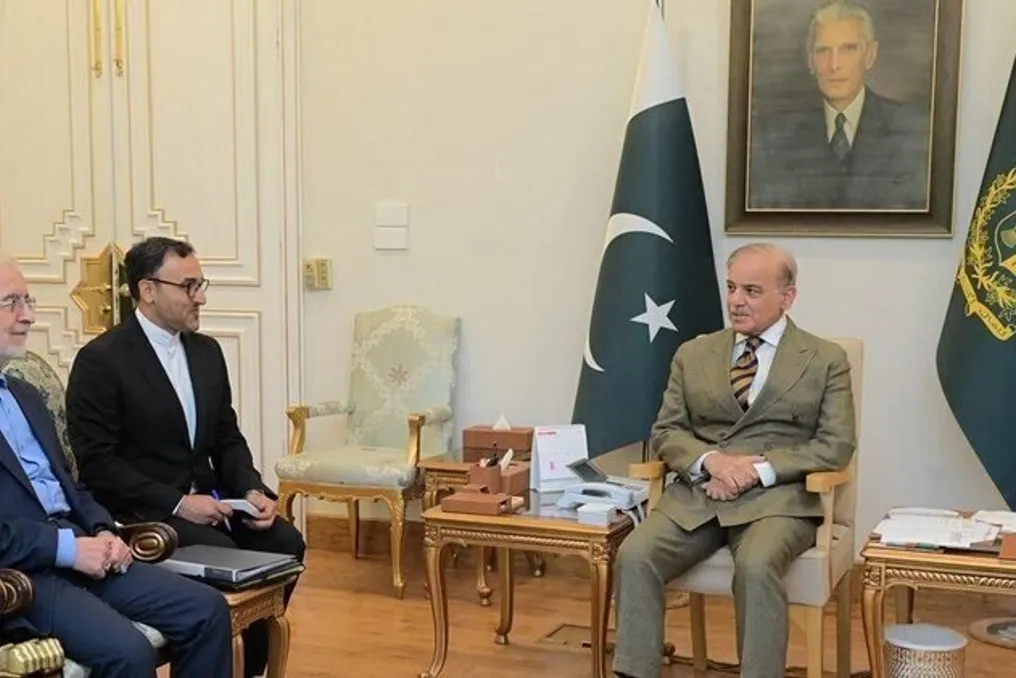
Iran and Pakistan agreed to strengthen cooperation in trade, border infrastructure, and security following a series of high-level meetings held in Islamabad. These negotiations took place between Iran's Minister of Interior, Eskandar Momeni, and the civilian and military leadership of Pakistan.
Key Areas of Cooperation
Momeni arrived in Pakistan on Monday and held separate discussions on Tuesday with Prime Minister Shehbaz Sharif, Army Chief General Asim Munir, and Interior Minister Saeed Mohsin Naqvi. The sides sought to strengthen bilateral relations amid growing regional tensions.
Discussions focused on expanding economic interaction, improving border connectivity, and enhancing joint measures against terrorism and cross-border crime. Furthermore, the partners exchanged views on regional events and broader security issues.
Economic Goals and Infrastructure
One of the key outcomes of the talks was the confirmation of both governments' readiness to increase annual bilateral trade turnover to $10 billion. This will be achieved through improving transport routes, optimizing customs procedures, and removing obstacles to commercial operations.
During discussions with his Pakistani counterpart, Momeni outlined three priorities for Tehran: facilitating the movement of commercial trucks between the two countries, accelerating the growth of bilateral trade, and modernizing the railway infrastructure at the Taftan-Mirjaveh border crossing to strengthen regional connectivity.
The Iranian minister noted that Iran has already expanded its railway network near the Mirjaveh border and expressed hope that Pakistan would accelerate the modernization of its railway infrastructure on the Taftan side, calling this project necessary for developing freight transport and trade.
Momeni also called for the activation of commercial activity at the Rimdan-Ghabd border crossing, strongly urging Islamabad to take additional measures to simplify cross-border trade and improve logistical efficiency.
Security and Crime Fighting
Regarding security issues, they occupied a prominent place in the discussions. Both sides identified terrorism as a common threat and reaffirmed their commitment to preventing militants and their financial networks from undermining stability along the nearly 900-kilometer border between Iran and Pakistan.
Naqvi demanded closer coordination between the security and intelligence services of the two countries to eliminate terrorist networks and curb their sources of funding. He also emphasized the need for closer bilateral cooperation in combating human trafficking, including efforts to prevent criminal organizations from using maritime routes for illegal migration.
Political Dialogue and Visit
In meetings with Prime Minister Sharif and General Munir, Momeni also reviewed broader regional events and stressed the importance of maintaining political dialogue and strategic coordination between Tehran and Islamabad.
In addition to official meetings, the Iranian minister visited the National Monument of Pakistan in Islamabad to pay tribute to the country's founders and those who died fighting for independence. He also toured the headquarters of the Metropolitan Police of Islamabad and planned to visit the Pakistan Anti-Narcotics Force as part of efforts to expand cooperation in law enforcement and counter-narcotics.